
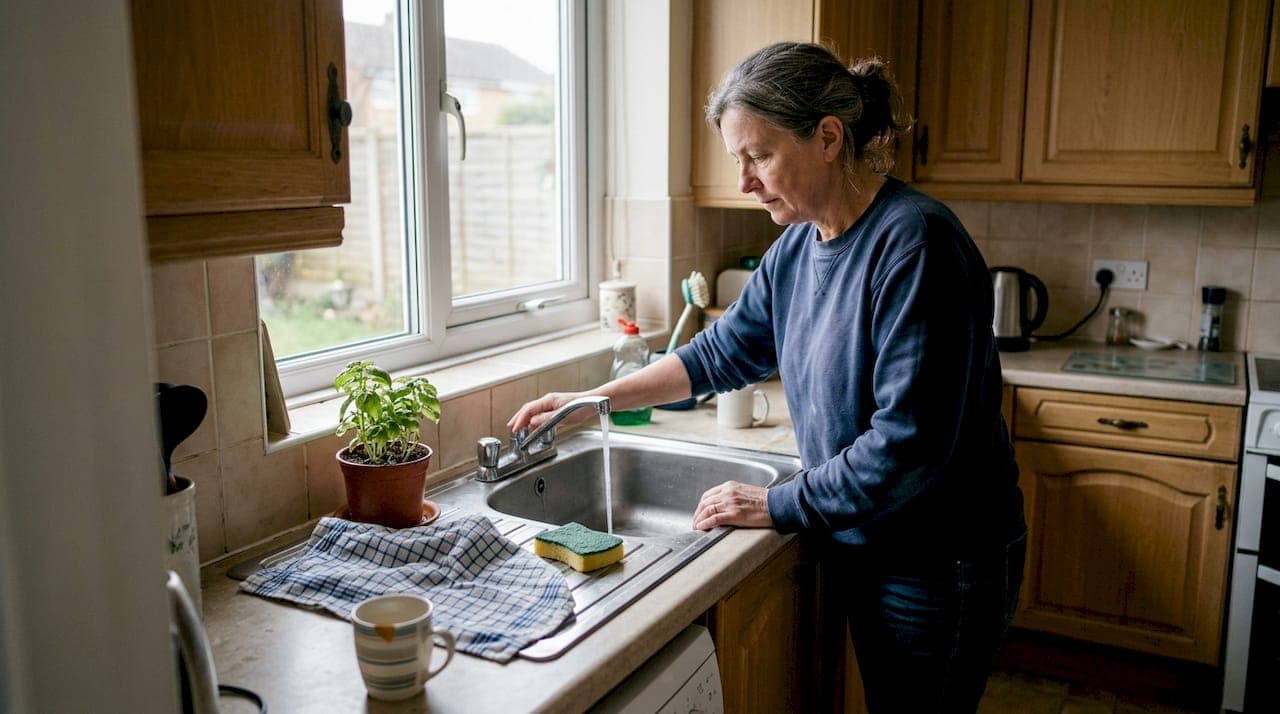
Blocked drains disrupt daily routines and create unpleasant conditions in your home. Whether it's a kitchen sink that won't empty or a bathroom drain backing up, these problems demand quick action. This guide walks you through practical troubleshooting steps you can attempt before calling professionals, covering everything from identifying symptoms to verifying successful clearing. You'll learn which tools work best, when DIY methods suffice, and crucially, when expert intervention becomes necessary to protect your drainage system.
Table of Contents
- Key Takeaways
- Identifying the symptoms and causes of blocked drains
- Preparing to troubleshoot your blocked drain safely and effectively
- Step-by-step guide to clearing common types of blocked drains
- Verifying successful drain clearing and when to seek professional help
- How 777 Drains can help you resolve blocked drain issues
- FAQ
Key Takeaways
| Point | Details |
|---|---|
| Common symptoms | Recognising slow drainage, unpleasant odours, gurgling noises and water backing up helps identify the likely blockage and its urgency. |
| DIY versus pro | If the blockage seems extensive or involves pipes, or you plan to use hazardous chemicals, seek professional help rather than attempting risky DIY methods. |
| Safety and preparation | Wear appropriate PPE, ensure ventilation and organise tools before starting to minimise injuries and damage. |
| Essential tools and materials | Have the right tools ready for common blockages and progress from simple methods to more intensive techniques. |
Identifying the symptoms and causes of blocked drains
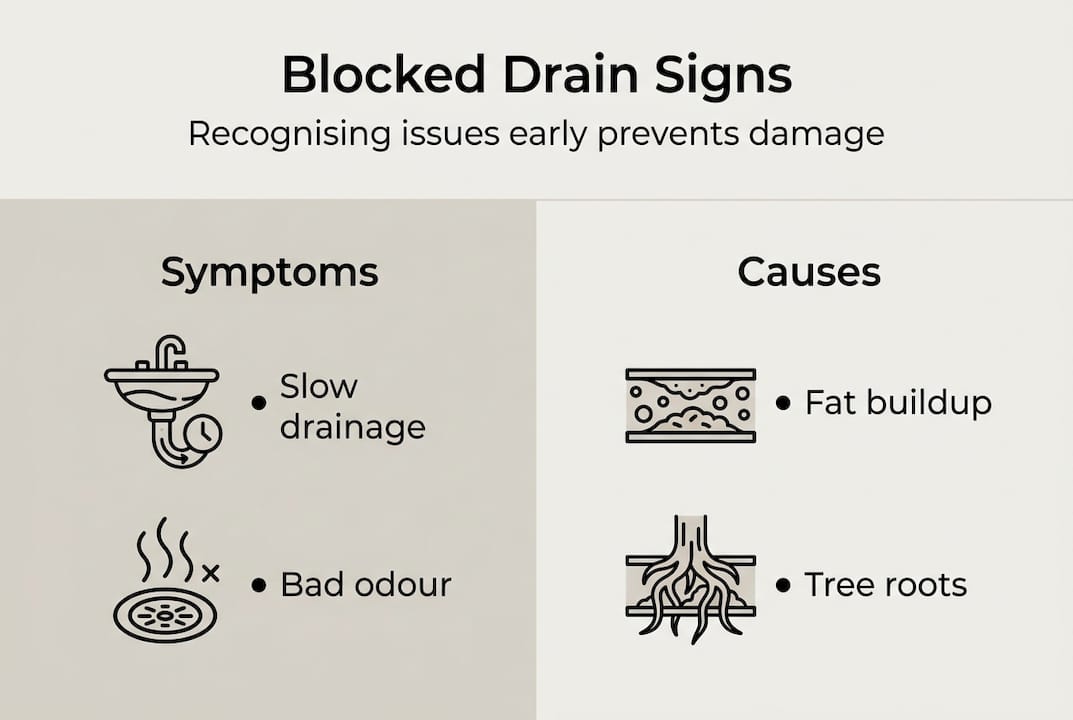
Recognising drain problems early prevents extensive damage and costly repairs. Common blocked drain causes include grease buildup, foreign objects, tree roots, and damaged pipes, each requiring different approaches. Homeowners typically notice slow drainage first, where water takes longer than usual to disappear from sinks or showers. This gradual decline often signals developing blockages rather than complete obstruction.
Unpleasant odours emerge when organic matter accumulates within pipes, creating bacterial growth that produces foul smells. Gurgling sounds indicate trapped air struggling to escape past partial blockages, whilst water backing up represents more serious obstructions requiring immediate attention. These symptoms vary in severity but share common underlying causes that homeowners can address.
Several factors contribute to blocked drains:
- Grease and fat solidify inside pipes after washing up, gradually narrowing the passage
- Hair combines with soap residue to form dense clumps that trap other debris
- Foreign objects like sanitary products, wipes, or food waste create immediate blockages
- Tree roots infiltrate damaged pipes seeking moisture, causing structural damage
- Faulty pipework from age or poor installation allows debris accumulation
Weather patterns affect drain performance significantly. Heavy rainfall overwhelms systems designed for normal flow, whilst freezing temperatures can cause pipes to contract or crack. Household habits matter equally, with what you pour down drains directly impacting their health. Understanding these causes helps you target troubleshooting efforts effectively rather than attempting random solutions.
Pro tip: Keep a drainage diary noting when problems occur and what activities preceded them. Patterns often reveal specific causes, like blockages following cooking sessions indicating grease issues.
Visit our drainage advice & tips section for preventive maintenance guidance that reduces blockage frequency.
Preparing to troubleshoot your blocked drain safely and effectively
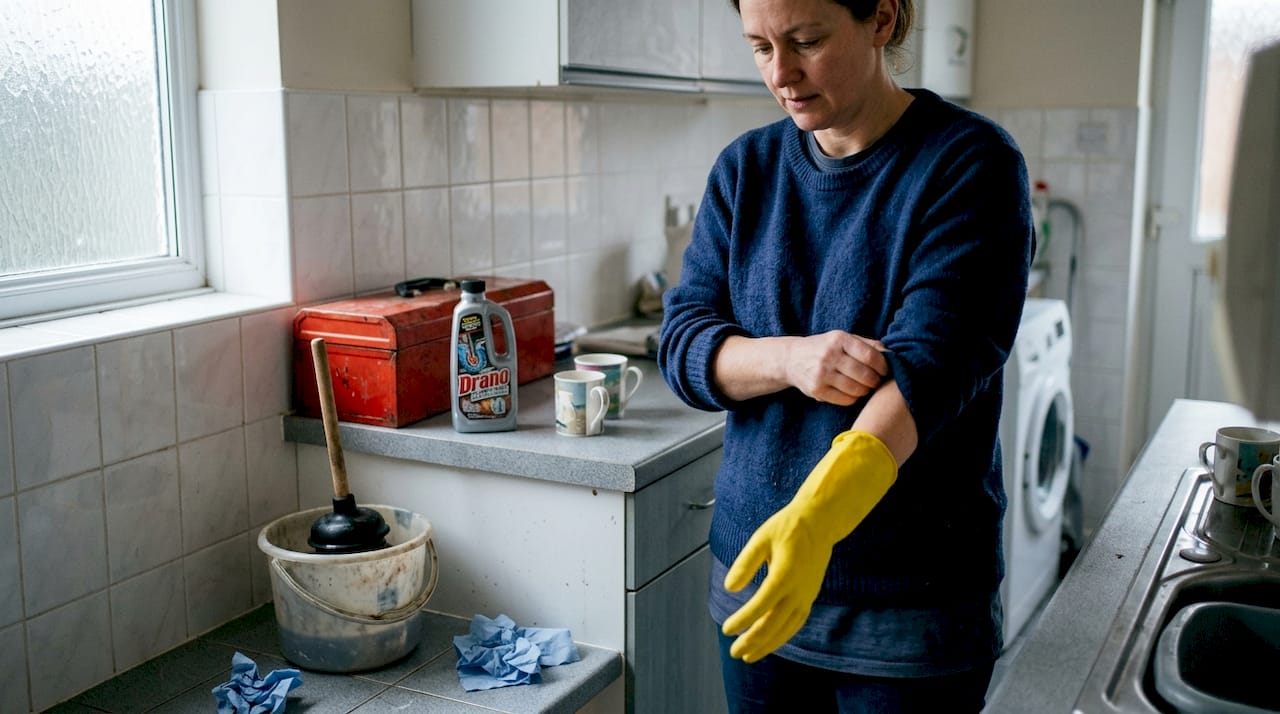
Proper preparation prevents injuries and protects your property during drain clearing attempts. Using appropriate tools and safety gear significantly reduces the risk of injury and damage when troubleshooting drains. Gathering everything beforehand saves time and frustration once you begin work.
| Tool/equipment | Purpose | Essential level |
|---|---|---|
| Rubber gloves | Protect hands from bacteria and chemicals | Critical |
| Plunger | Create pressure to dislodge blockages | High |
| Drain rods | Reach deeper blockages mechanically | Medium |
| Bucket | Catch overflow water | High |
| Snake auger | Navigate bends and break up stubborn clogs | Medium |
| Safety goggles | Shield eyes from splashback | Critical |
| Old towels | Protect flooring from spills | High |
Safety considerations extend beyond equipment. Ensure adequate ventilation when working with any cleaning products, as fumes concentrate quickly in enclosed spaces like bathrooms. Never mix chemical cleaners, which can produce toxic gases or violent reactions. Wear long sleeves to protect skin from splashes, and keep children and pets away from the work area.
Prepare your workspace systematically:
- Clear the area around affected drains, removing toiletries, mats, or stored items
- Lay towels or plastic sheeting to catch spills and protect flooring
- Position your bucket strategically to catch water when removing traps
- Ensure good lighting so you can see clearly inside drain openings
- Have your mobile phone nearby in case you need to contact 24hr drainage & plumbing specialists if problems escalate
Pro tip: Test the simplest methods first, progressing to more intensive techniques only when necessary. This approach saves effort and minimises risk of damaging pipes through excessive force or inappropriate tools.
Understanding your drainage system's layout helps tremendously. Locate external inspection chambers and main drain routes before starting work. This knowledge proves invaluable if you need to describe problems to professionals later.
Step-by-step guide to clearing common types of blocked drains
Systematic approaches yield better results than random attempts. DIY methods such as plunging, using drain rods, and chemical treatments have varying effectiveness depending on blockage type. Follow these steps in order, assessing results before progressing.
-
Begin with plunging, creating a tight seal around the drain opening. Use rapid, forceful strokes for 20-30 seconds, maintaining the seal throughout. This method works best for soft blockages like hair or soap buildup near the surface.
-
Remove and clean the trap if plunging fails. Place your bucket underneath, unscrew the U-bend, and clear accumulated debris manually. Reassemble carefully, ensuring washers seat properly to prevent leaks.
-
Deploy drain rods for deeper blockages, screwing sections together as you feed them into the drain. Rotate clockwise only to prevent unscrewing underground. Apply steady pressure rather than forcing, which risks pipe damage.
-
Try a snake auger for stubborn clogs, feeding the cable slowly whilst rotating the handle. When you feel resistance, work the auger back and forth to break up the blockage. Retrieve the cable carefully, cleaning debris as it emerges.
-
Consider enzymatic cleaners as a final DIY option, avoiding harsh chemicals that damage pipes. These biological treatments break down organic matter gradually, requiring several hours to work effectively.
| Method | Best for | Effort required | Risks | When to stop |
|---|---|---|---|---|
| Plunging | Surface blockages, soft materials | Low | Minimal | If no improvement after 5 minutes |
| Trap removal | Localised clogs in U-bends | Medium | Water spillage | If blockage lies beyond trap |
| Drain rods | Deeper obstructions in straight runs | High | Pipe damage if forced | When meeting solid resistance |
| Snake auger | Bends and distant blockages | High | Cable damage, scratching | If auger won't advance |
| Enzymatic cleaners | Organic buildup, maintenance | Low | Ineffective on solid objects | After 24 hours without results |
Pro tip: Avoid chemical drain cleaners with older cast iron or lead pipes, as harsh formulations accelerate corrosion and weaken joints. Modern PVC systems tolerate chemicals better, but mechanical methods remain safer overall.
"Never use excessive force when rodding drains. If you encounter solid resistance that won't shift with moderate pressure, you risk damaging pipes or pushing blockages into positions that worsen the problem. This is precisely when professional equipment and expertise become essential."
Document your attempts, noting which methods you tried and any partial success. This information helps drain unblocking specialists diagnose problems quickly if you ultimately need professional assistance. Take photos of any debris you remove, as this reveals blockage causes and helps prevent recurrence.
For additional troubleshooting strategies, explore our drainage advice & tips covering seasonal challenges and preventive measures.
Verifying successful drain clearing and when to seek professional help
Confirming proper drain function prevents premature celebration and recurring problems. Persistent blockages or recurring problems often indicate underlying issues that require professional CCTV drain surveys and repairs. Thorough verification saves you from repeated clearing attempts and potential damage.
Test drainage systematically after clearing attempts. Run water slowly at first, observing flow rates and listening for unusual sounds. Gradually increase volume to normal usage levels, checking that water disappears quickly without backing up. Multiple fixtures should drain simultaneously without affecting each other, indicating proper system capacity.
Signs that blockages remain or have only partially cleared include:
- Water still drains slowly despite clearing attempts
- Gurgling persists when using nearby fixtures
- Unpleasant odours return within hours or days
- Water levels in toilet bowls fluctuate unexpectedly
- Damp patches appear on walls or ceilings near drain runs
Recurring blockages signal deeper problems beyond simple obstructions. Tree root infiltration, collapsed pipes, or incorrect gradients require professional diagnosis and repair. Attempting repeated DIY clearing in these situations wastes time and risks worsening damage through excessive rodding or chemical use.
Professional intervention becomes necessary when you encounter solid obstructions that won't budge, sewage backing up into living spaces, or foul odours suggesting sewer line problems. CCTV drain surveys reveal exact blockage locations and pipe conditions without excavation, enabling targeted repairs that address root causes rather than symptoms.
Pro tip: Early professional intervention typically costs far less than emergency call-outs for burst pipes or extensive water damage. If you've attempted clearing twice without lasting success, contact specialists before problems escalate.
Local expertise matters significantly for drainage issues. Systems vary by area due to different installation periods, soil types, and municipal infrastructure. Specialists familiar with Reading, Oxford, Newbury, and Bracknell drainage characteristics diagnose problems faster and recommend appropriate solutions based on regional patterns.
Maintain cleared drains through regular hot water flushing, avoiding pouring fats down sinks, and using drain guards to catch hair and debris. These simple habits extend the time between blockages and reduce the severity when they do occur.
How 777 Drains can help you resolve blocked drain issues
When DIY troubleshooting reaches its limits, professional support ensures problems get resolved properly without risking further damage. Sometimes blockages hide deeper issues that only specialist equipment can detect and address effectively.

777 Drains operates across Reading, Oxford, Newbury, Didcot, Swindon, Basingstoke, and Bracknell with 24-hour availability for drainage emergencies. Our experienced engineers combine modern diagnostic tools with proven clearing techniques to tackle blockages of any severity. From straightforward drain clearing to comprehensive CCTV surveys that reveal hidden damage, we deliver solutions that prevent recurring problems rather than temporary fixes.
Local knowledge makes a significant difference in drainage work. Our teams understand regional pipe materials, common blockage patterns, and effective approaches for different property types throughout the area. Whether you need urgent assistance for a completely blocked system or want preventive inspection to avoid future issues, our drainage services cover residential and commercial properties with equal expertise. Contact our Reading or Oxford teams for rapid response when you need professional drainage support.
FAQ
How can I tell if a drain is completely blocked or just slow draining?
Complete blockages cause water to back up visibly with no drainage occurring, whilst slow draining indicates partial obstruction where water eventually disappears. Test by running water in multiple connected fixtures simultaneously. If one affects another or causes gurgling sounds, you're dealing with a developing blockage that needs attention before it worsens into complete obstruction.
Are chemical drain cleaners safe for household drains?
Chemical cleaners pose risks to older pipes, particularly cast iron or lead systems where harsh formulations accelerate corrosion. They can also worsen certain blockages by solidifying grease or pushing obstructions deeper into pipe networks. Mechanical clearing methods using plungers, rods, or augers prove safer and more effective for most household blockages, avoiding the environmental impact and health hazards of chemical products.
When should I call a professional drain service?
Contact professionals when blockages recur despite clearing attempts, indicating underlying structural issues rather than simple obstructions. Immediate professional help becomes essential if you notice sewage backing up into living spaces, persistent foul odours suggesting sewer line problems, or visible damage around drain areas. CCTV surveys identify problems invisible to homeowners, enabling targeted repairs that address root causes and prevent costly emergency situations from developing.
Can heavy rainfall cause blocked drains even if they were working fine?
Heavy rainfall overwhelms drainage systems designed for normal flow rates, particularly if pipes already contain partial blockages or debris accumulation. Increased water volume can dislodge material that then creates obstructions downstream, or expose existing capacity problems that don't affect daily usage. Systems should handle typical rainfall without issues, so problems during storms often reveal maintenance needs or structural deficiencies requiring professional assessment.
What's the difference between drain rods and a snake auger?
Drain rods consist of rigid sections you screw together to reach distant blockages through access points, working best in relatively straight pipe runs. Snake augers use flexible cables that navigate bends and curves, with rotating heads that break up obstructions mechanically. Rods suit external drains and inspection chambers, whilst augers excel at internal plumbing and complex pipe layouts where rigidity would prevent effective reach.