
TL;DR:
- Hidden issues like pipe misalignment and tree roots cause significant drainage problems.
- Early detection of symptoms prevents costly repairs and extends drain system lifespan.
- Professional CCTV surveys are essential for diagnosing deep or structural drainage faults.
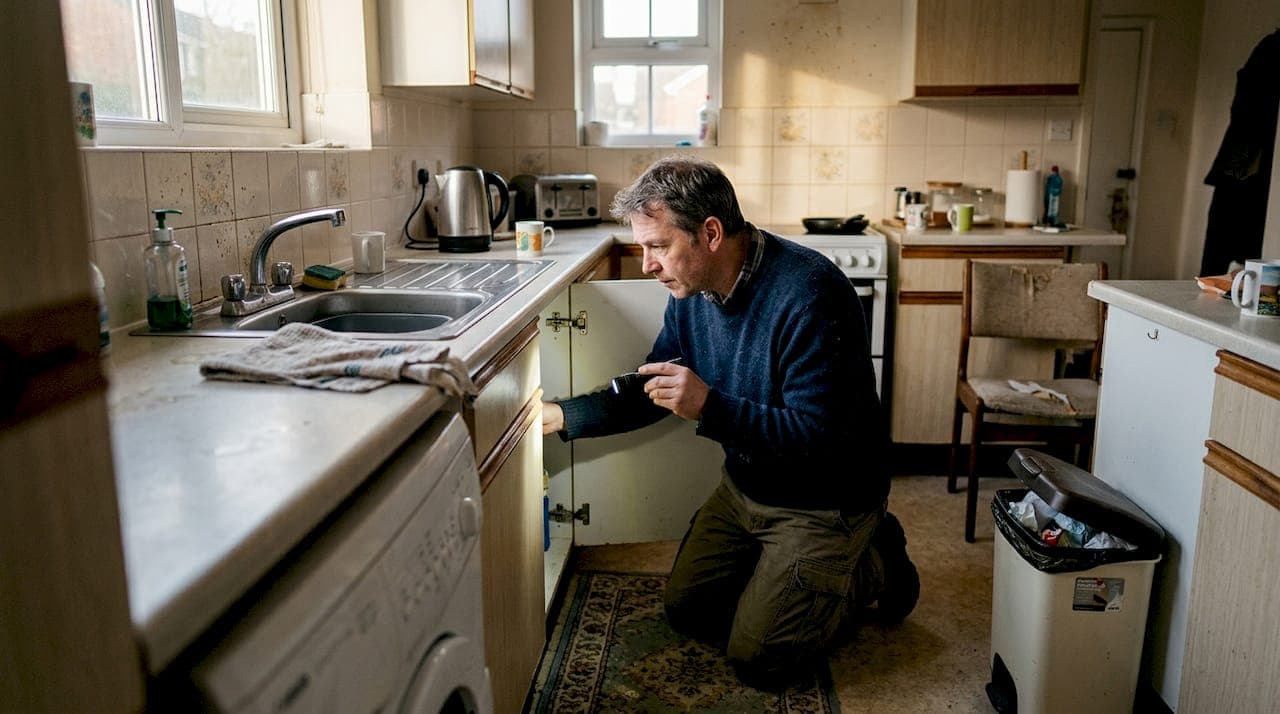
Blocked drains are costing UK homeowners a fortune. With 300,000 sewer blockages occurring every year at a national cost of £100 million, the scale of the problem is staggering. In Reading and the surrounding areas, wet wipes, fats, oils, and grease are the leading culprits behind most residential drainage failures. Left unchecked, a slow drain today can become a flooded kitchen or a cracked pipe tomorrow. This guide walks you through the warning signs, the most common causes, practical fixes you can try yourself, and the moments when calling a professional is simply the smarter choice.
Table of Contents
- How to spot drainage problems early
- Blocked drains: Causes and fixes
- Hidden drainage issues: Pipe misalignment and tree roots
- Managing outdoor drainage: Preventing garden and basement flooding
- The truth about quick fixes and when to call in the experts
- Expert drainage solutions for Reading and beyond
- Frequently asked questions
Key Takeaways
| Point | Details |
|---|---|
| Identify symptoms early | Recognising drainage problems swiftly prevents damage and high repair costs. |
| Blocked drains top problem | Wet wipes, fats, oils, and grease cause the most frequent blockages for Reading homes. |
| Hidden issues require experts | Pipe misalignment and tree roots are less obvious but need professional diagnosis. |
| Outdoor maintenance matters | Keeping garden and basement drains clear avoids flooding and persistent damp. |
| Professional help is cost-effective | Calling in specialists saves money and provides long-term solutions compared to repeated DIY. |
How to spot drainage problems early
Recognising a drainage problem before it escalates is the single most valuable thing you can do as a homeowner. Most people ignore the early signals until the situation becomes an emergency, and that is when the real costs begin to stack up.
According to drainage experts, drainage problems include slow draining sinks, gurgling sounds from pipes, persistent bad odours, water backing up, standing water in gardens, damp in basements, and recurring blockages. Each of these is your drainage system trying to communicate something is wrong.
Here are the key symptoms to watch for:
- Slow draining in sinks, baths, or showers, even after cleaning the plug hole
- Gurgling or bubbling sounds from toilets or drain covers after water is used elsewhere
- Unpleasant smells rising from drains, particularly a rotten egg or sewage odour
- Water backing up into sinks, baths, or toilets when other fixtures are used
- Standing water on your lawn or patio after rainfall that does not drain within a few hours
- Damp patches on basement walls or floors with no obvious external cause
- Recurring blockages that return within weeks of being cleared
Do not delay if you notice two or more of these symptoms at the same time. Multiple simultaneous signs often indicate a blockage deeper in the system or a structural fault that no amount of drain cleaner will resolve.
Acting early almost always costs less. A simple jetting job to clear a partial blockage is far cheaper than repairing a collapsed pipe caused by years of ignored pressure build-up. If you are already seeing these signs, exploring drainage services from a local specialist is a sensible first step, or you can look into drain repairs Reading if you suspect structural damage is involved.
The other thing worth knowing is that some symptoms mimic others. A gurgling toilet does not always mean a blocked toilet. It can indicate a shared drain further down the system is struggling, which means the actual problem could be metres away from where you first noticed it.
Blocked drains: Causes and fixes
Once you know the warning signs, it is vital to pinpoint what causes the blockage and what your best options are for clearing it. The causes are more predictable than most people realise.
National data from drainage professionals shows the most common causes of blocked drains in the UK are fats, oils, and grease at 37.5%, inappropriately flushed items such as wet wipes at 33.3%, misaligned pipes at 12.5%, and tree roots at 8.3%. These four account for the overwhelming majority of call-outs.
Here is how they typically rank in terms of frequency and what you can do:
- Fats, oils, and grease (FOG): These cool and solidify inside your pipes, building up over time into a dense, waxy mass. Never pour cooking fat down the sink.
- Wet wipes and sanitary items: Even products labelled "flushable" do not break down in the sewer system. They are a leading cause of fatbergs.
- Soap scum and hair: In bathrooms, these combine to create a sticky plug that gradually narrows the pipe.
- Food debris: Small food particles that escape past the plug hole accumulate and ferment, creating both blockages and odours.
- Misaligned pipes and root intrusion: These are structural issues covered in the next section.
For everyday blockages, here is how DIY compares to professional methods:
| Method | Best for | Cost | Effectiveness |
|---|---|---|---|
| Plunger | Shallow sink or toilet blockages | Free | Low to moderate |
| Drain rods | Outdoor drain blockages | £10 to £30 | Moderate |
| Chemical drain cleaner | Grease and hair build-up | £5 to £15 | Moderate |
| High-pressure jetting | Stubborn or recurring blockages | £80 to £200 | High |
| CCTV inspection and jetting | Unknown or deep blockages | £150 to £500+ | Very high |
Unblocking a drain costs between £80 and £500+ depending on the method and whether it is an emergency call-out. DIY is fine for surface-level issues, but it rarely solves anything deeper.
Pro Tip: Put a small strainer over every plug hole in your home. It takes seconds to empty and can prevent the majority of hair and debris blockages entirely. For grease, keep an old tin by the hob and dispose of cooled fat in the bin.
For more specific guidance, the unblocking tips Reading blog covers local scenarios in detail. If you are based further out, blocked drains Newbury offers the same rapid-response approach for surrounding areas.
Hidden drainage issues: Pipe misalignment and tree roots
Beyond basic blockages, some problems lurk out of sight and demand closer inspection. These are the issues that catch homeowners completely off guard because there is no obvious cause visible at the surface.
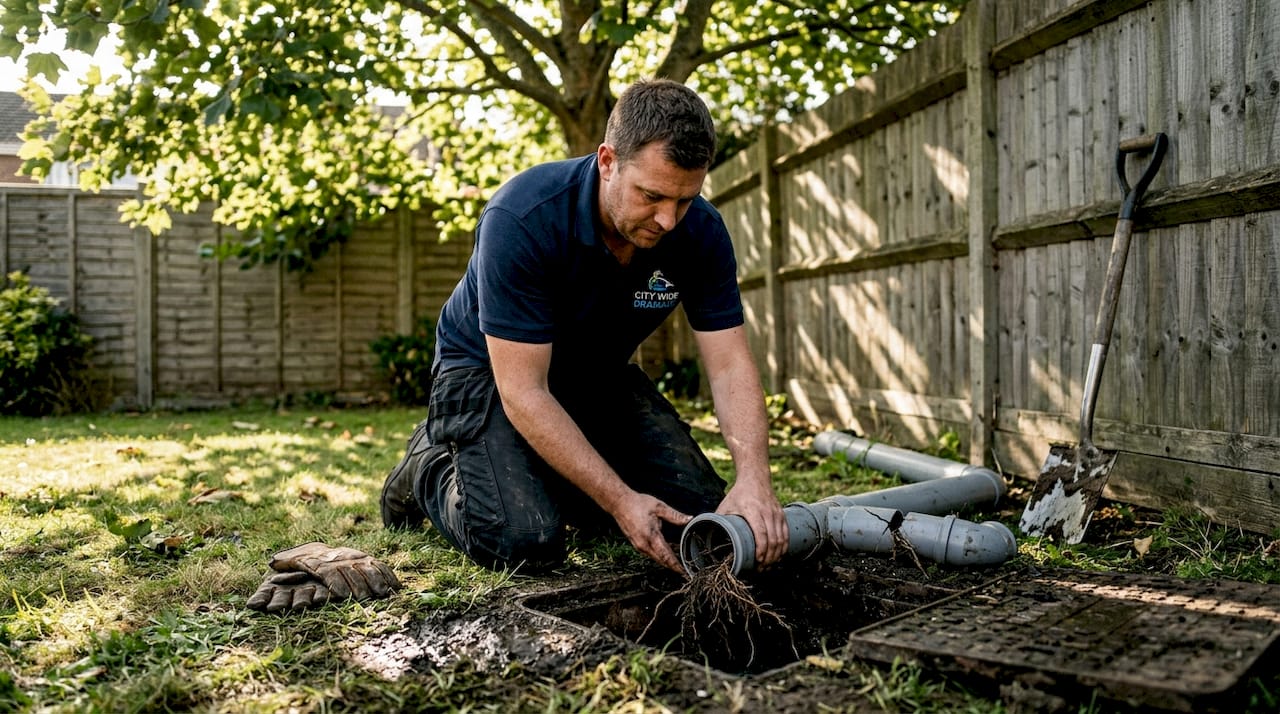
Pipe misalignment and tree root intrusion together account for over 20% of drainage problems in the UK. Misaligned pipes occur when joints shift due to ground movement, settlement, or poor original installation. Even a small gap between pipe sections is enough for roots to find their way in, and once inside, they grow fast.
Tree roots are surprisingly aggressive. They are drawn to the warmth and moisture inside drainage pipes and can travel several metres from the host tree. Fine root fibres enter through the smallest crack and then expand, eventually causing a near-complete blockage or even a pipe fracture.
Symptoms that are particularly associated with these hidden issues include:
- Blockages that return quickly after being cleared, sometimes within days
- Sinkholes or soft patches in your garden with no obvious explanation
- Cracked or uneven paving near drain runs, caused by root pressure or ground movement
- Foul smells from the garden even when no surface water is visible
- Multiple drains affected at the same time, suggesting a shared or main drain problem
Here is a quick reference for these two issues:
| Issue | Frequency | Average repair cost | Detection method |
|---|---|---|---|
| Misaligned pipes | 12.5% of cases | £300 to £1,500+ | CCTV drain survey |
| Tree root intrusion | 8.3% of cases | £400 to £2,000+ | CCTV drain survey |
The only reliable way to diagnose either problem is a CCTV drain inspection, where a camera is fed through the pipe to show exactly what is happening inside. It removes all the guesswork and means repairs are targeted rather than exploratory. For homeowners in the Bracknell area, Bracknell drainage specialists can carry out these surveys quickly and with minimal disruption to your property.
Managing outdoor drainage: Preventing garden and basement flooding
Finally, keeping water away from your property is every homeowner's concern, especially after heavy rainfall. Outdoor drainage is often the most neglected part of a home's water management system, yet it has a direct impact on your foundations, your garden, and your basement.
The signs of poor outdoor drainage include standing water in gardens, damp basements, and recurring surface flooding. These are not just cosmetic problems. Persistent damp can compromise your foundations and create conditions for mould growth inside your home.
Here are the essential maintenance steps for outdoor drainage:
- Clear gullies and drain covers of leaves, debris, and soil at least twice a year, particularly in autumn
- Check downpipes and gutters are free-flowing and directing water away from the property, not pooling at the base of walls
- Inspect soakaways if you have them. A soakaway (a pit filled with rubble that allows water to disperse into the ground) can become saturated or blocked over time
- Regrade garden areas that slope towards the house. Water should always flow away from your foundations
- Install channel drains on driveways or patios where surface water collects after rain
- Check basement walls for hairline cracks or efflorescence (white salt deposits), which indicate water is pushing through from outside
Pro Tip: If your garden floods regularly after rain, a French drain could be the answer. This is a trench filled with gravel and a perforated pipe that redirects groundwater away from problem areas. It is a relatively affordable upgrade that makes a significant difference in waterlogged gardens.
When basic maintenance is not enough, professional assessment is the right move. For tailored garden drainage advice or if you are based nearby, Oxford drain repairs covers the wider region with the same level of expertise.
The truth about quick fixes and when to call in the experts
Here is something we see repeatedly in our work across Reading and the surrounding areas: homeowners who have been pouring chemicals down their drains for months, convinced they are managing the problem, when in reality they are masking it. Chemical cleaners dissolve surface build-up but do nothing for structural faults, root intrusion, or misaligned joints. Worse, repeated use of caustic products can degrade older clay or plastic pipes, creating new problems further down the line.
The uncomfortable truth is that a blockage which keeps coming back is not a blockage at all. It is a symptom of something else entirely. Every time you clear it without finding the root cause, you are borrowing time.
In our experience, the jobs that end up costing the most are the ones where a homeowner waited six months after the first warning sign. By that point, what could have been a £150 jetting job has become a pipe replacement.
Drain unblocking costs range from £80 to £500+, but structural repairs run significantly higher. The investment in early professional diagnosis almost always saves money in the long run. If you are experiencing recurring issues, experienced drain experts can identify the real cause quickly and give you a clear, honest picture of what needs doing.
Expert drainage solutions for Reading and beyond
If you have recognised any of the symptoms in this guide, the next step is straightforward. Getting a professional assessment sooner rather than later protects your home and your wallet.

777 Drains provides local drainage services across Reading and the surrounding areas, with rapid-response engineers available around the clock. Whether you need emergency drain repairs or a thorough CCTV drain survey to find a hidden fault, the team uses modern diagnostic equipment to get to the root of the problem fast. No guesswork, no unnecessary digging, and no hard sell. Just clear advice and lasting solutions from engineers who know this area inside out.
Frequently asked questions
What is the main cause of blocked drains in Reading?
Wet wipes and fats, oils, and grease are the biggest culprits, with FOG causing 37.5% and inappropriately flushed items such as wet wipes causing 33.3% of residential blockages.
How can I tell if I have a drainage issue?
Look for signs like slow draining, gurgling sounds, bad smells, water backups, or damp in your basement or garden, as these all point to a developing drainage problem.
How much does it cost to unblock a drain in Reading?
Unblocking a drain typically costs £80 to £500+ depending on the method used and whether the work is carried out as an emergency call-out.
Can tree roots cause my drains to block?
Yes, tree roots account for 8.3% of drainage problems and can enter misaligned pipes and cause significant blockages that require professional diagnosis and repair.