
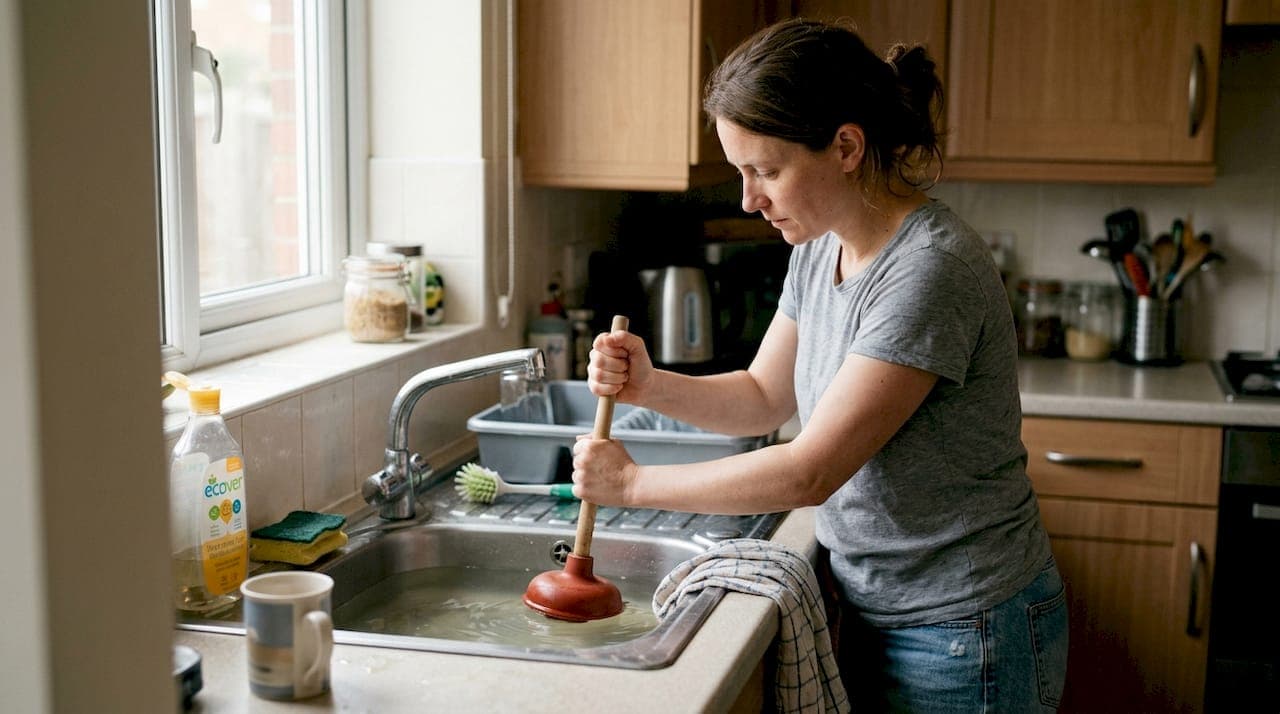
Drainage problems at home often feel mysterious and unpredictable, but the truth is far simpler. Most issues stem from identifiable causes that you can prevent or tackle with the right knowledge. Whether it's a slow drain, an unpleasant smell, or a complete blockage, understanding what triggers these problems empowers you to act quickly and avoid costly repairs. This guide walks you through the most common household drainage issues, their warning signs, and practical steps to keep your drainage system running smoothly. You'll learn how to spot trouble early, prevent future headaches, and know when professional help becomes essential.
Table of Contents
- Key Takeaways
- Common causes of household drainage problems
- Recognising the signs of drainage issues in your home
- Detailed overview of common drainage problems and comparison
- Practical steps and prevention tips for maintaining your home drainage
- How 777 Drains can help with your drainage problems
- Frequently asked questions about household drainage problems
Key Takeaways
| Point | Details |
|---|---|
| Blockage causes | Blockages typically form from grease, hair and foreign objects building up in pipes. |
| Early warning signs | Early signs include slow drainage, unpleasant odours, gurgling noises and damp patches. |
| Preventive maintenance | Pour boiling water down the kitchen sink weekly to dissolve grease and help prevent blockages. |
| Know when to call professionals | Professional services such as CCTV surveys can diagnose hidden problems and prevent escalation. |
Common causes of household drainage problems
Understanding what creates drainage problems helps you prevent them. Most household drainage issues are caused by blockages from grease, hair, and foreign objects, but several other factors contribute to recurring problems.
Blockages form when substances accumulate inside pipes. Grease and cooking fat solidify as they cool, coating pipe walls and trapping other debris. Hair combines with soap residue to create dense clumps that restrict water flow. Small objects accidentally washed down drains lodge in bends and junctions, creating obstruction points that catch additional material.
Tree roots pose a serious threat to underground drainage systems. Roots naturally seek moisture and nutrients, infiltrating tiny cracks in pipes. Once inside, they expand rapidly, causing structural damage and complete blockages. Older properties with clay or concrete pipes face higher risk because these materials develop cracks more readily than modern plastic alternatives.
Pipe deterioration happens gradually in ageing systems. Corrosion weakens metal pipes from the inside, creating rough surfaces that catch debris more easily. Clay pipes can crack under ground movement or pressure from heavy traffic above. Collapsed sections create immediate blockages and require excavation to repair properly.
Your disposal habits directly impact drainage health. Flushing inappropriate items like wet wipes, cotton buds, or sanitary products creates stubborn blockages that standard plunging cannot clear. Even products labelled as flushable often fail to break down quickly enough, accumulating in pipes and causing problems downstream.
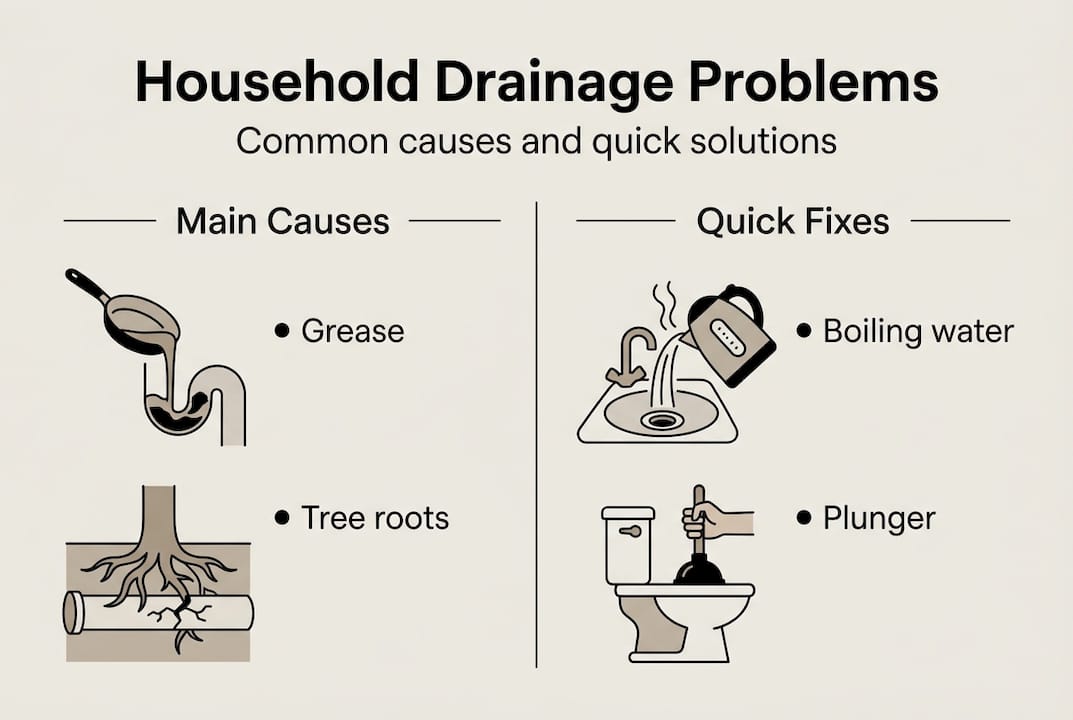
Pro Tip: Pour boiling water down your kitchen sink weekly to help dissolve grease buildup before it hardens. This simple habit prevents many common blockages and keeps water flowing freely.
With these causes in mind, let's explore the common symptoms to recognise when you have a drainage problem.
Recognising the signs of drainage issues in your home
Spotting drainage problems early saves you from emergency callouts and extensive damage. Early detection of drainage problems can prevent severe damage and costly repairs, so learning to recognise warning signs becomes essential for every homeowner.
-
Slow drainage appears gradually in sinks, showers, or baths. Water takes noticeably longer to disappear, pooling around plug holes before draining away. This indicates a developing blockage that will worsen without intervention.
-
Unpleasant odours near drains signal trapped organic matter decomposing inside pipes. These smells intensify during warm weather and indicate blockages that prevent proper water flow and ventilation through the system.
-
Gurgling sounds from toilets or drains reveal air trapped in the system. When water struggles past a partial blockage, it displaces air that escapes through other fixtures, creating distinctive bubbling noises that warn of restricted flow.
-
Pooling water or damp patches appear near external drains or inside your property. Outside, look for soggy ground or water collecting around drain covers. Inside, check under sinks and around pipe joints for moisture that suggests leaks or overflow issues.
-
Multiple fixtures draining slowly simultaneously indicates a problem in your main drainage line rather than individual pipes. This requires immediate attention because it affects your entire system and can lead to sewage backup.
-
Rising water in toilets or other fixtures when you use different appliances shows a blockage in shared drainage pipes. Water seeks alternative routes when its normal path becomes obstructed, causing unexpected backflow.
Pro Tip: Keep a simple log of when you notice drainage issues and which fixtures are affected. This information helps professionals diagnose problems faster and can reveal patterns that point to specific causes.
Once you know what to look for, the next step is understanding the key drainage problems homeowners commonly face and how they differ.
Detailed overview of common drainage problems and comparison
Different drainage problems require specific solutions. Different drainage problems require different approaches, from unblocking to repairs or CCTV surveys, so understanding what you're dealing with helps you choose the right response.
| Problem type | Typical cause | Warning signs | Solution approach |
|---|---|---|---|
| Blocked drains | Physical obstructions from debris, grease, or objects | Slow drainage, bad smells, gurgling sounds | Plunging, drain rods, or professional jetting |
| Leaking drains | Pipe damage, corrosion, or loose joints | Damp patches, water pooling, increased water bills | Pipe repair or replacement at affected section |
| Collapsed drains | Age, ground movement, or root damage | Complete blockage, multiple fixtures affected, subsidence | Excavation and pipe replacement |
| Root intrusion | Tree roots entering cracks in pipes | Recurring blockages, slow drainage in specific areas | Root cutting and pipe relining |
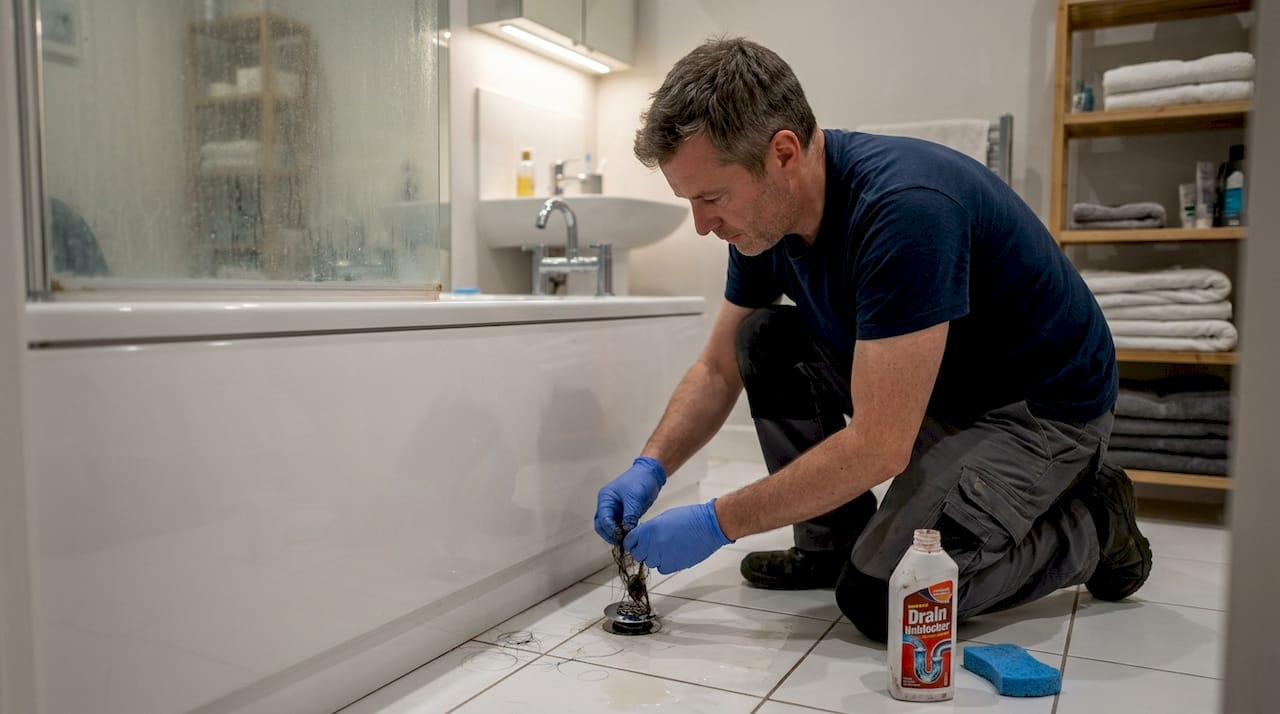
Blocked drains represent the most common household issue. Physical obstructions prevent water flow, creating backups that worsen over time. Simple blockages near fixtures often respond to plunging or chemical treatments, but deeper obstructions need professional drain cleaning with high-pressure water jetting that scours pipe interiors clean.
Leaking drains waste water and cause structural damage to your property. Small leaks from loose joints can be tightened, but cracks or corrosion require section replacement. Underground leaks are particularly problematic because they erode foundations and create voids that lead to subsidence if left untreated.
Collapsed drains demand immediate professional attention. Complete structural failure blocks drainage entirely, causing sewage backup into your property. Excavation becomes necessary to access damaged sections, though modern techniques like pipe bursting can sometimes replace pipes without extensive digging.
Root intrusion combines blockage with structural damage. Cutting roots provides temporary relief, but they regrow quickly unless you address the entry point. Pipe relining creates a new interior surface that seals cracks and prevents future root access while avoiding full excavation.
Pro Tip: If you experience the same drainage problem repeatedly in the same location, the underlying cause hasn't been properly addressed. Request a CCTV survey to identify structural issues that simple unblocking cannot fix.
Understanding these problems helps you decide when to DIY and when to call a professional service for help.
Practical steps and prevention tips for maintaining your home drainage
Preventing drainage problems costs far less than fixing them. Regular maintenance and careful disposal habits significantly reduce drainage problems, making prevention your most effective strategy for avoiding disruption and expense.
-
Never pour grease, fat, or cooking oil down your sink. These substances solidify in pipes, creating stubborn blockages that trap other debris. Instead, let fats cool in a container and dispose of them in your rubbish bin.
-
Install drain covers or hair catchers in showers and baths. These simple devices trap hair and soap scum before they enter pipes, preventing the dense clumps that cause most bathroom blockages. Clean covers weekly to maintain effectiveness.
-
Flush drains with hot water regularly to dissolve soap residue and light grease buildup. This simple habit keeps pipes clear between deeper cleaning sessions and costs nothing except a few minutes of your time.
-
Dispose of food waste properly rather than washing it down the sink. Even homes with garbage disposal units should scrape plates into bins first, because fibrous vegetables, coffee grounds, and starchy foods create problematic buildup in pipes.
-
Schedule professional drain cleaning annually, especially if you have older pipes or large trees near your drainage system. Preventive maintenance identifies developing problems before they cause emergencies and extends your drainage system's lifespan significantly.
-
Know your drainage system's layout and locate external inspection chambers. Understanding where pipes run and how to access them helps during emergencies and makes professional callouts more efficient when problems occur.
-
Educate everyone in your household about what can and cannot go down drains. Many blockages result from family members flushing inappropriate items or pouring harmful substances without realising the consequences.
-
Monitor your water bill for unexpected increases that might indicate leaks in your drainage system. Underground leaks often go unnoticed until they cause significant damage, but higher water usage provides an early warning sign.
Pro Tip: Keep contact details for emergency drainage services somewhere easily accessible, like on your fridge or in your phone. When a serious problem strikes, you'll waste precious time searching for help instead of getting it quickly.
With prevention covered, let's see how professional services can help when problems occur despite your best efforts.
How 777 Drains can help with your drainage problems
When drainage issues exceed DIY solutions or you want to prevent problems before they start, expert drainage services provide the knowledge and equipment to restore your system quickly.

777 Drains combines rapid response with thorough diagnostics to solve drainage problems efficiently. Professional CCTV drain surveys reveal exactly what's happening inside your pipes, eliminating guesswork and ensuring the right solution first time. Whether you face a sudden blockage or want to investigate recurring issues, advanced camera technology pinpoints problems without excavation.
Emergency situations demand immediate attention. 24hr drainage and plumbing specialists respond quickly to prevent sewage backup, flooding, and property damage. Experienced engineers arrive equipped to handle everything from simple unblocking to complex repairs, minimising disruption to your daily routine.
If you face persistent issues or want to learn more, professional services like these can provide peace of mind and effective solutions.
Frequently asked questions about household drainage problems
What causes drains to block repeatedly in the same location?
Recurring blockages indicate an underlying structural problem rather than simple debris accumulation. Tree roots, collapsed pipe sections, or incorrect pipe angles create persistent obstruction points that catch debris repeatedly. A CCTV survey identifies these issues so you can address the root cause permanently.
How quickly should I act when I notice slow drainage?
Address slow drainage within a few days to prevent complete blockages. What starts as minor inconvenience escalates rapidly as debris continues accumulating. Early intervention with simple methods like plunging often succeeds, whereas delayed action typically requires professional equipment and costs more.
Can I use chemical drain cleaners safely on all blockages?
Chemical cleaners work on organic blockages like hair and soap but damage older pipes and prove ineffective against solid objects or root intrusion. Overuse corrodes pipe interiors and harms the environment. Reserve chemicals for minor clogs and choose professional mechanical cleaning for stubborn or recurring problems.
What's the difference between a blocked drain and a collapsed drain?
Blocked drains contain obstructions that restrict flow but maintain structural integrity. Collapsed drains suffer physical damage where pipe sections crack or cave in completely. Blockages often respond to cleaning, whilst collapsed sections require excavation and replacement to restore function.
How often should I schedule professional drain maintenance?
Annual professional cleaning suits most households, but increase frequency if you have mature trees nearby, older pipes, or a large family creating more waste. Properties with recurring issues benefit from six-monthly inspections that catch problems early and maintain optimal drainage performance year-round.