
TL;DR:
- Early signs of drain problems include slow drainage gurgling sounds and persistent foul smells.
- Regular cleaning routines and avoiding harmful items help prevent costly blocked drains.
- Professional CCTV surveys every 1-3 years detect hidden damage and reduce emergency repairs.
Most homeowners never think about their drains until something goes wrong. By then, the damage is often already done, and the bill can be eye-watering. Emergency drain repairs can easily run into hundreds or even thousands of pounds, yet the majority of blockages are entirely preventable with a few simple habits. This article walks you through exactly what to look for, what to avoid, and how to keep your drainage system in good working order throughout the year. Whether your home is a Victorian terrace or a modern new-build in Southern England, these practical tips are built for you.
Table of Contents
- How to spot early warning signs of drain problems
- Regular cleaning routines for healthy drains
- What not to put down your drains
- The importance of professional drain inspections
- Seasonal drain care tips for Southern England
- Why proactive drain care beats the reactive approach every time
- Get expert help with your drains today
- Frequently asked questions
Key Takeaways
| Point | Details |
|---|---|
| Early detection matters | Spotting signs like bad smells or slow drains can stop small problems becoming costly emergencies. |
| Routine cleaning saves money | Simple weekly and monthly cleaning habits prevent most common drain blockages. |
| Avoid harmful disposals | Never flush fats, wipes, or non-degradable items to keep drains flowing in older and modern homes alike. |
| Inspections are vital | A CCTV survey every few years protects your home from hidden risks in pipes, especially in Southern England. |
| Seasonal care helps | Adjusting your drain maintenance per season keeps your system in top condition throughout the year. |
How to spot early warning signs of drain problems
The best time to deal with a drain problem is before it becomes a crisis. Most blockages don't happen overnight. They build up gradually, and your drains will usually try to tell you something is wrong long before a full blockage takes hold.
Here are the key warning signs to watch for:
- Slow-draining sinks or baths that take noticeably longer to empty than usual
- Gurgling sounds coming from plug holes or toilets after water drains away
- Persistent foul smells rising from drains, even after cleaning
- Recurring minor blockages that keep returning despite being cleared
- Water pooling around outdoor drains after rainfall
Think of it this way: a homeowner who notices a persistent drain odour in their kitchen for weeks and ignores it is usually the same person calling for an emergency call-out six months later. One of our engineers recently attended a job where a simple grease build-up, left unchecked for over a year, had hardened into a near-solid mass. A routine check-up months earlier would have cost a fraction of the repair bill.
A CCTV drain survey used regularly can prevent emergencies costing £3,000 or more.
For more helpful drainage advice and tips on spotting problems early, our blog covers a wide range of real-world scenarios.
Pro Tip: Pay attention to how your drains behave during and after heavy rainfall. Storm surges can reveal underlying weaknesses in your drainage system that are invisible under normal conditions.
Regular cleaning routines for healthy drains
Spotting early signs is crucial, but consistent habits are equally important for long-term drain health. The good news is that keeping your drains clean doesn't require expensive products or specialist knowledge. A few minutes each week can make a significant difference.
Here's a simple routine you can follow:
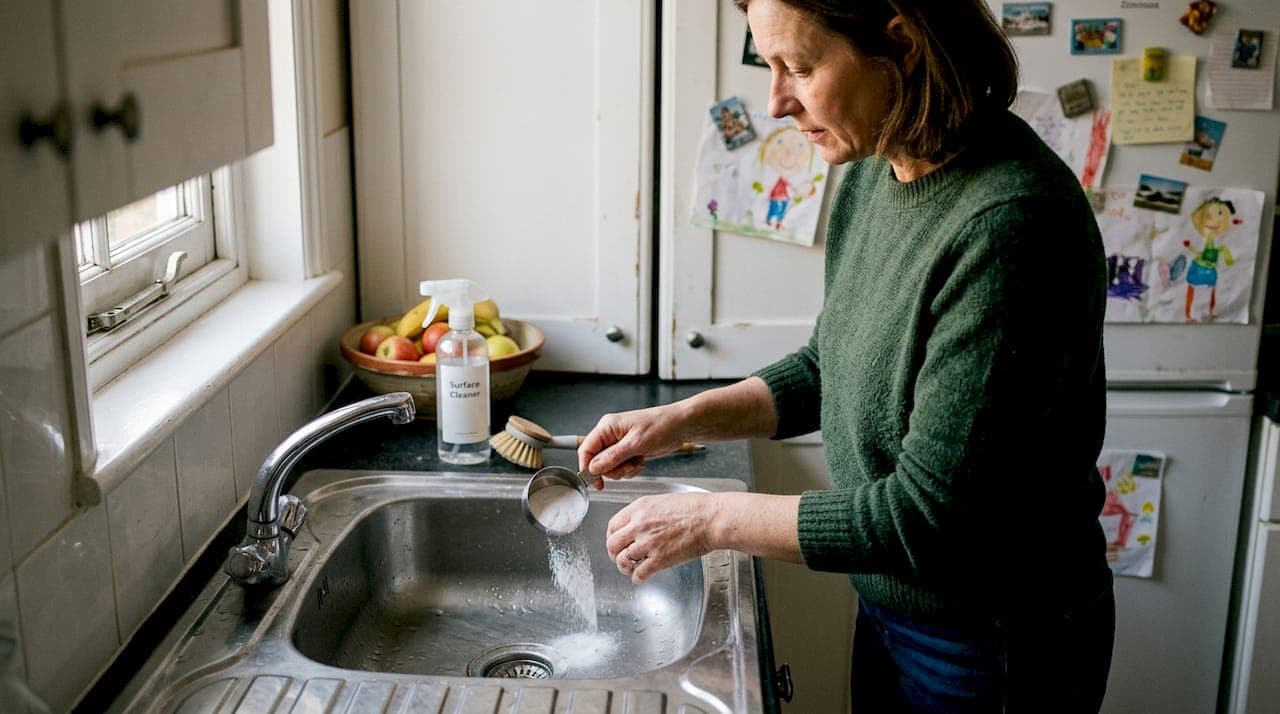
- Weekly: Pour a kettle of boiling water slowly down kitchen and bathroom sink drains. This loosens grease and soap residue before it has a chance to solidify.
- Monthly: Mix half a cup of bicarbonate of soda with half a cup of white vinegar and pour it down the drain. Leave it for 20 minutes, then flush with hot water. This helps break down organic build-up and neutralises odours.
- Ongoing: Use drain guards over plug holes in your kitchen sink, bath, and shower. These simple mesh screens catch hair, food particles, and soap before they enter the pipe.
- Seasonally: Clear debris from outdoor drain covers, particularly after storms or heavy leaf fall.
- Immediately: Never pour fats, oils, or leftover food down the sink. Dispose of them in the bin or a sealed container.
These steps tie in neatly with general drainage care principles that apply to most home types across the region. If you've already experienced a blocked drain and want to avoid a repeat, these habits are your first line of defence.
Pro Tip: Set a recurring reminder on your phone for your monthly baking soda and vinegar treatment. Treating it like any other household chore makes it far easier to stick to.
What not to put down your drains
Good cleaning routines work best when you also avoid the most common drain culprits. It's not just about what you pour in. It's also about what you assume is safe to flush or wash away.
The biggest offenders include:
- Cooking oil and grease from pans, which solidifies inside cold pipes
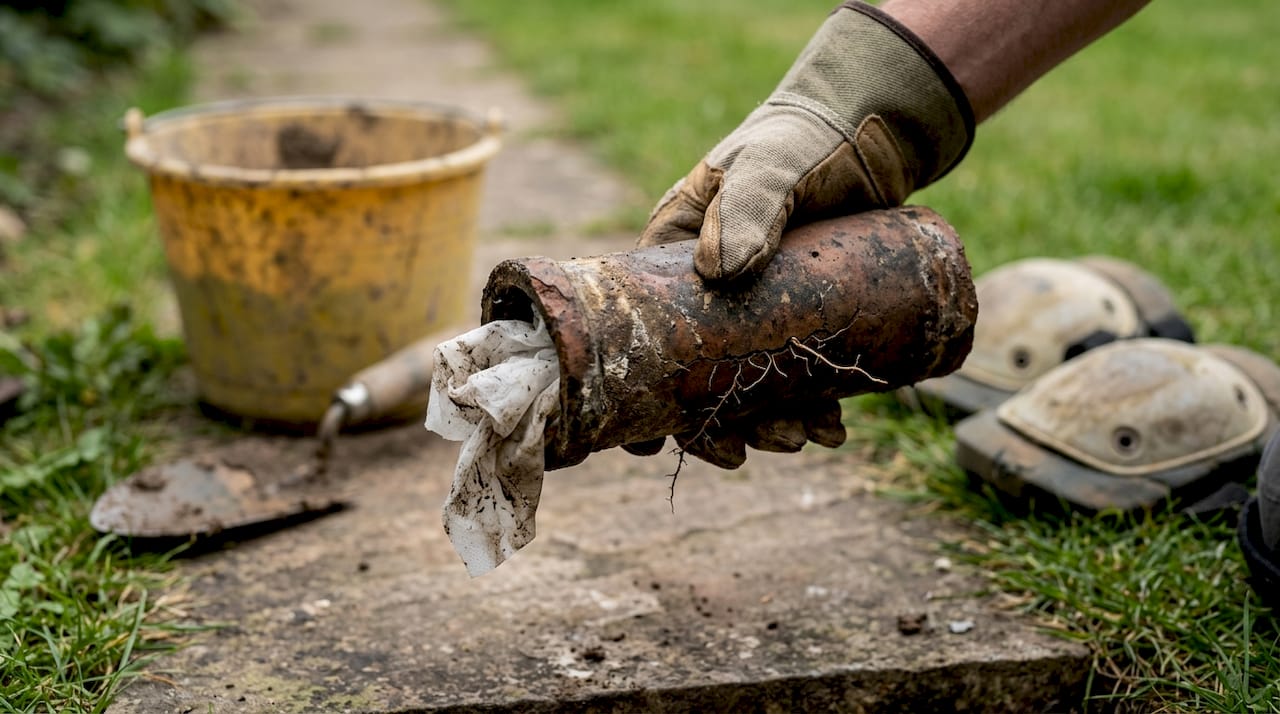
- Wet wipes, even those labelled "flushable", which do not break down in pipes
- Food scraps washed off plates, especially starchy or fibrous foods like pasta, rice, and vegetable peel
- Hair from showers and baths, which tangles and traps other debris
- Sanitary products and cotton wool, which expand when wet and create blockages
- Coffee grounds, which clump together and catch everything else passing through
One small item might seem harmless. But imagine a single wet wipe snagging on a rough patch inside an older clay pipe, then catching grease, then catching coffee grounds. Within weeks, you can have a serious blockage from a series of seemingly minor choices.
This is a particular concern in Southern England, where older clay pipes are highly sensitive to non-flushable materials and common in Victorian and Edwardian housing stock. Clay pipes are more rigid than modern plastic alternatives, meaning cracks and partial blockages develop faster when put under stress.
For a full overview of what our team can help with, visit our drainage services overview page.
The importance of professional drain inspections
Responsible disposal goes hand in hand with professional support to keep your system in optimal shape. No matter how diligent you are at home, some issues are simply invisible to the naked eye. That's where a CCTV drain survey comes in.
A CCTV drain survey involves a small camera being passed through your pipes to check for cracks, root invasion, build-up, and structural damage. It gives a complete picture of what's happening underground without any digging.
CCTV drain surveys are recommended every 1 to 3 years and typically cost £150 to £250, yet they prevent emergencies that can exceed £3,000.
Here's a quick guide to how inspection frequency and risk vary by property type:
| Property type | Recommended frequency | Typical cost | Risk level |
|---|---|---|---|
| Modern new-build | Every 3 years | £150 to £200 | Low |
| 1980s to 2000s property | Every 2 years | £150 to £200 | Medium |
| Victorian or Edwardian home | Annually | £200 to £250 | High |
| Property near mature trees | Annually | £200 to £250 | High |
When choosing a provider, look for engineers with CCTV survey experience, clear written reports, and no-call-out-fee policies. Learn more about what to expect from our CCTV drain survey service.
Seasonal drain care tips for Southern England
Once core habits and inspections are in place, adjusting your care for Southern England's climate maximises protection year-round. The region has its own seasonal patterns that directly affect drainage systems, particularly in areas with heavy clay soils, mature tree coverage, and older housing.
| Season | Key risks | Recommended actions |
|---|---|---|
| Spring | Storm debris, saturated ground | Clear outdoor drains, check for slow drainage |
| Summer | Odour build-up, dry soil shrinkage | Flush drains regularly, check for cracks |
| Autumn | Leaf accumulation, root growth | Remove leaves from drain covers, book inspection |
| Winter | Frozen pipes, ice in outdoor drains | Insulate exposed pipes, avoid pouring hot water on frozen drains |
Here are the most important seasonal actions to keep in mind:
- In spring, clear leaf and debris build-up from outdoor drain covers after storms
- In summer, flush internal drains weekly to combat odour caused by reduced rainfall
- In autumn, watch for tree root invasion, as roots grow more aggressively in search of moisture
- In winter, lag any exposed pipework to protect against freezing
As NHBC guidance notes, older pipes and environmental factors in Southern England require tailored maintenance approaches. Homeowners in towns like Newbury and the surrounding areas can find local support through our unblocking services in Newbury.
Why proactive drain care beats the reactive approach every time
With all these practical steps in place, it's worth considering why so many people still wait for a crisis before acting. In our experience, the answer is simple: drain problems feel invisible until they aren't.
We've seen homeowners spend upwards of £2,500 on emergency excavations for a blockage that a £180 annual survey would have caught in minutes. The perceived cost of routine maintenance always feels larger than it is, right up until you're comparing it against a four-figure repair bill.
There's also a stress factor that rarely gets mentioned. A drain emergency rarely happens at a convenient time. It's the Saturday evening before a family gathering, or the morning of a busy work week. Proactive care removes that unpredictability entirely.
Looking at real blocked drain cases from our work across the region, there's a clear pattern: the most expensive jobs almost always involve a homeowner who noticed something odd months earlier and decided to wait.
Pro Tip: Keep a simple yearly home maintenance log for your drains. Note any unusual smells, slow drainage, or sounds, along with dates. This record becomes invaluable when speaking to an engineer.
Get expert help with your drains today
If reading this has made you think twice about the state of your drains, that's a good instinct to act on.

At 777 Drains, we cover homes right across Southern England with rapid-response support, from routine surveys to full emergency unblocking. Our complete drainage services are designed to head off expensive problems before they start. Book a local CCTV drain inspection to get a clear picture of what's happening in your pipes, or contact our 24hr drainage experts if you need immediate help. Prevention is always cheaper than the alternative.
Frequently asked questions
How often should I have a professional drain inspection?
For most homes, a CCTV survey every 1 to 3 years is sufficient, but annual inspections are advisable if your home is older or surrounded by mature trees.
What are the warning signs of a blocked drain?
Slow drainage, gurgling noises, foul smells, and repeated minor blockages are the most common early indicators that something is building up in your pipes.
Why are certain items like wipes and grease bad for drains?
Grease solidifies inside cold pipes and older clay pipes are particularly vulnerable to non-flushable items like wet wipes, which clump together and cause serious, stubborn blockages.
Do trees in my garden increase the risk of drain issues?
Yes. Tree roots actively seek out moisture and can invade pipes through hairline cracks, so homes near mature trees benefit from more frequent CCTV surveys to catch any intrusion early.