
TL;DR:
- Proper diagnosis of whether a drain issue is localized or affects multiple drains guides effective fixing.
- Essential tools for DIY drain clearance include plungers, drain rods, and baking soda and vinegar treatments.
- Persistent or severe blockages should prompt immediate professional help to prevent property damage.
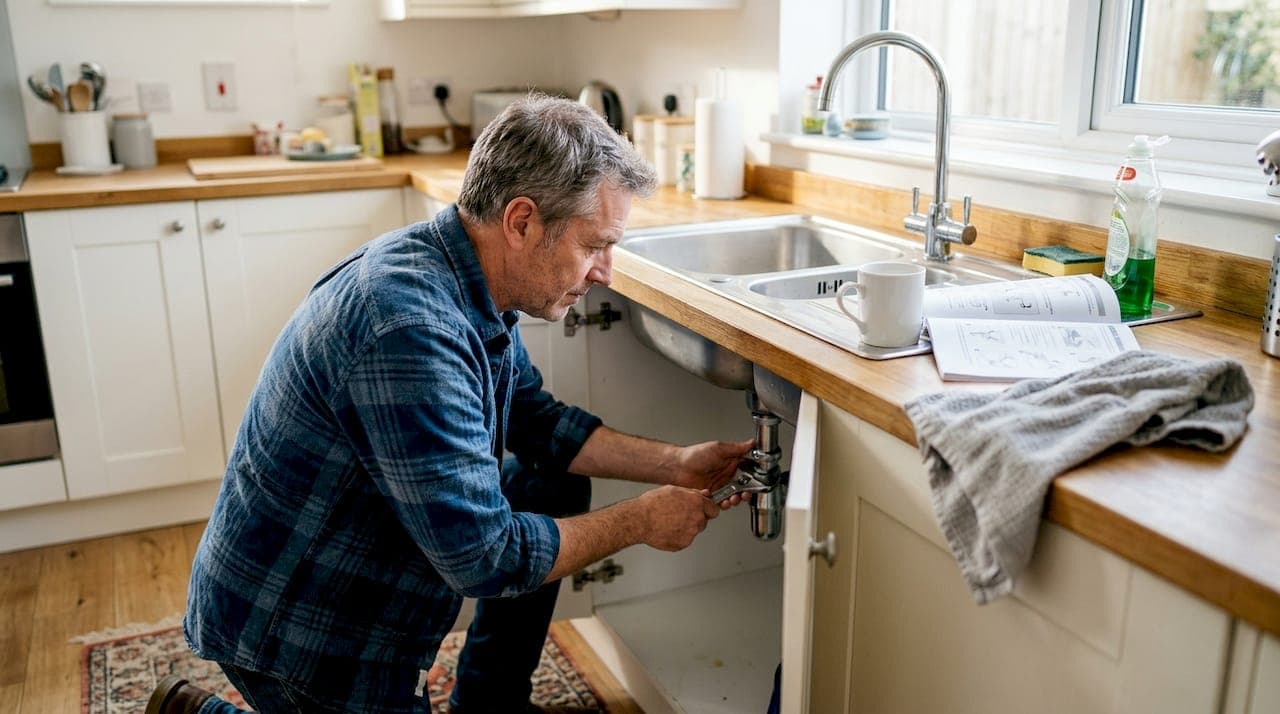
A blocked drain never announces itself at a convenient time. One morning you are running late, you turn on the kitchen tap, and the water just sits there, going nowhere. For homeowners across Reading, Oxford, Newbury, and the surrounding areas, this kind of disruption is not just an inconvenience — it can quickly spiral into property damage, foul smells, and expensive repair bills. This guide walks you through every stage of the process, from pinpointing the source of the problem to knowing exactly when to stop and call in a specialist. Follow these steps and you will be back to normal far sooner than you think.
Table of Contents
- Identifying the source of your drainage problem
- Essential tools and materials for tackling drain blockages
- Step-by-step process for clearing simple blockages
- Troubleshooting persistent blockages and signs you need expert help
- Why professional drain specialists make the difference
- Get fast, expert drainage solutions today
- Frequently asked questions
Key Takeaways
| Point | Details |
|---|---|
| Diagnose blockage location | Identifying whether the problem is local or main line is the first and most important step. |
| Prepare correct tools | Using the right tools and avoiding chemicals will protect your pipes and improve results. |
| Follow proven steps | Escalate your DIY approach safely, starting with gentle methods before mechanical ones. |
| Know when to call experts | Persistent blockages or multiple slow drains often require professional intervention to avoid damage. |
| Local specialists save time | Rapid-response drainage experts in your area can quickly and safely resolve tougher issues. |
Identifying the source of your drainage problem
Before you reach for any tools, you need to understand what you are actually dealing with. A blocked drain can mean very different things depending on where the problem sits in your plumbing system, and treating the wrong area wastes time and effort.
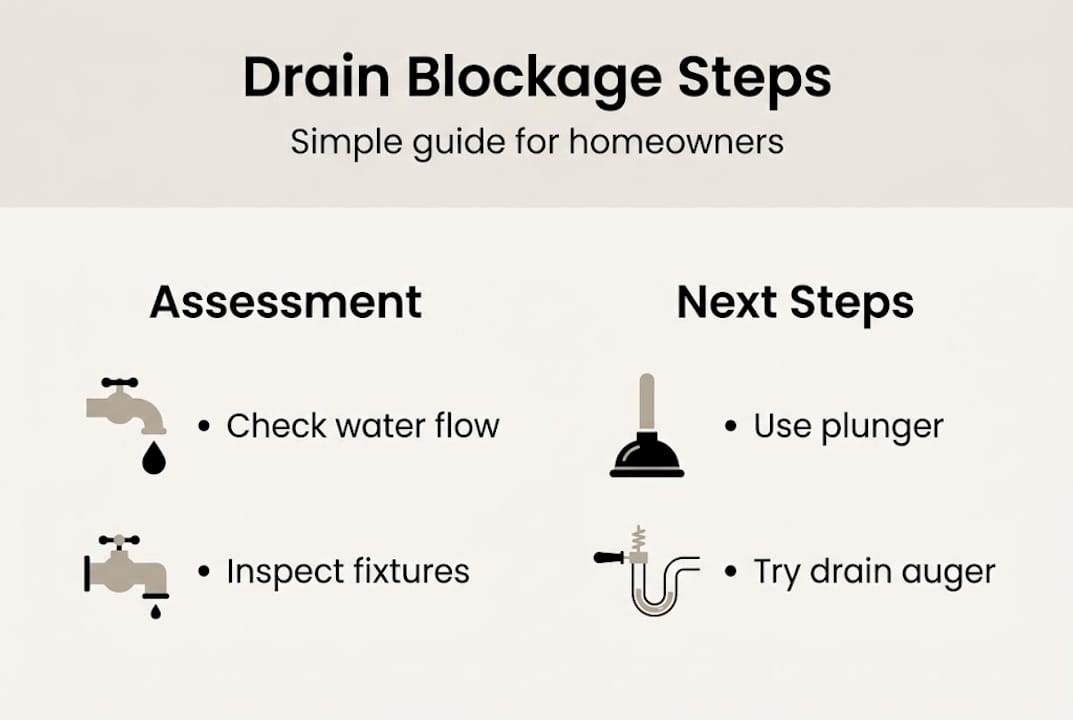
The single most important first step is to check whether the issue is isolated to one fixture or affecting multiple drains around your home. Assessment starts with checking whether a single fixture or multiple drains are affected, and this distinction shapes everything that follows. If only your kitchen sink is slow, the blockage is almost certainly local to that drain. If your toilet, bath, and sink are all behaving oddly at the same time, the problem likely sits much further down in your main drainage line.
Here is a quick way to test this. Run water in two or three different fixtures simultaneously and observe what happens:
- Single slow drain: Localised blockage, usually caused by grease, food debris, hair, or soap scum
- Multiple slow drains: Main line blockage, often caused by root intrusion, collapsed pipe sections, or heavy sediment build-up
- Gurgling sounds from other fixtures: Air trapped in the system, a classic sign of a partial main line restriction
- Water backing up into a bath or shower when you flush the toilet: A strong indicator of a serious main line obstruction
Understanding common drainage issues at this early stage means you approach the problem with a clear head rather than guessing. A misdiagnosis can mean spending an hour plunging a sink when the real issue is 10 metres down the pipe.
| Symptom | Likely location | Urgency |
|---|---|---|
| One drain slow | Fixture or trap | Low to medium |
| Multiple drains slow | Main drain line | High |
| Sewage smell indoors | Main line or vent | High |
| Water backing up | Main line obstruction | Urgent |
Take five minutes to do this assessment properly. It is the difference between a 20-minute fix and a two-hour struggle with the wrong approach.
Essential tools and materials for tackling drain blockages
Once you have identified the affected drains, prepare your toolkit before addressing the problem directly. Having the right equipment to hand saves you from stopping mid-job and losing momentum.
Here are the core tools every homeowner should have available:
- Cup plunger: Best for sinks and baths; creates suction over flat surfaces
- Flange plunger: Designed specifically for toilets; the extended rubber flange seals the trap
- Drain rods: Flexible, interlocking rods that reach deep into outdoor drains and main lines
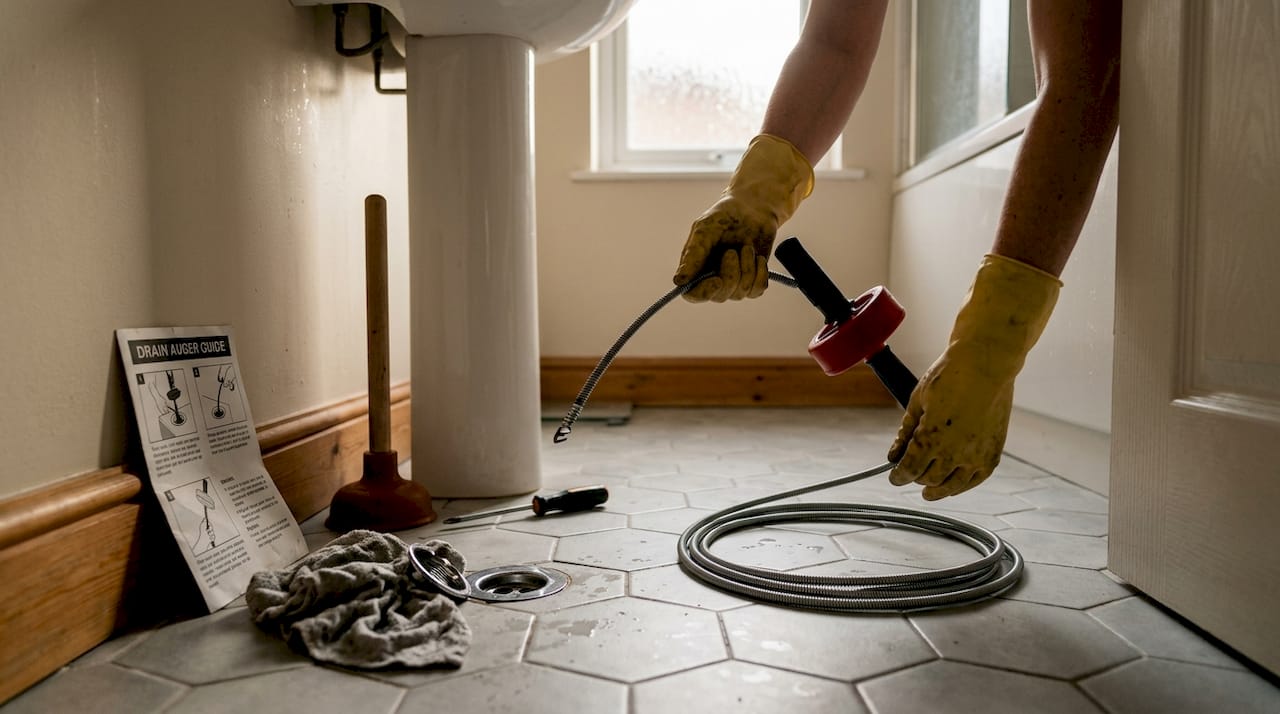
- Drain auger (or drain snake): A coiled metal cable that physically breaks up or retrieves blockages inside pipes
- Bucket and rubber gloves: Non-negotiable for hygiene and mess control
- Torch: Essential for inspecting outdoor drain chambers
One thing to strike off your list immediately is chemical drain cleaner. Chemicals damage pipes and are not recommended for most household systems, particularly older pipework common in Reading and Oxford properties. They can also create hazardous reactions if mixed accidentally, and they rarely solve a serious blockage anyway.
Pro Tip: Before you start, place old towels around the base of the fixture you are working on. Water and debris will escape during plunging, and protecting your floor takes seconds but saves a significant clean-up.
For those exploring DIY drainage solutions before calling a professional, this comparison table shows which tools suit which type of blockage:
| Tool | Best for | Effectiveness | Skill required |
|---|---|---|---|
| Cup plunger | Sink and bath blockages | Medium | Low |
| Flange plunger | Toilet blockages | High | Low |
| Drain rods | Outdoor and main line | High | Medium |
| Drain auger | Deep pipe blockages | High | Medium |
| Baking soda and vinegar | Light grease and odour | Low to medium | None |
Investing in a decent drain auger costs around £20 to £40 and can save you a call-out fee for minor blockages. It is worth keeping one in the house alongside your plunger.
Step-by-step process for clearing simple blockages
Armed with the right tools, you can now begin your first attempts at unblocking your drains. The key is to escalate gradually rather than jumping straight to aggressive methods.
Follow this sequence in order:
- Boiling water: Pour a full kettle of boiling water slowly down the drain in two or three stages. This dissolves grease and soap build-up effectively and costs nothing. Do not use this method on plastic pipes, as boiling water can soften the joints.
- Baking soda and vinegar: Pour half a cup of baking soda into the drain, followed by half a cup of white vinegar. Cover the drain opening and leave it for 20 minutes. The fizzing reaction breaks down organic matter. Flush with hot water afterwards.
- Plunger: Fill the sink or bath with enough water to cover the rubber cup. Place the plunger firmly over the drain and pump vigorously 10 to 15 times. Lift sharply on the final stroke to dislodge the blockage. Repeat two or three times if needed.
- Drain auger: Feed the cable slowly into the drain until you feel resistance. Rotate the handle clockwise to either break up the blockage or hook onto debris so you can pull it out. Work slowly and patiently.
The DIY escalation sequence of boiling water, baking soda and vinegar, plunger, and then drain snake covers the vast majority of household blockages without any specialist knowledge.
Important: Never mix baking soda and vinegar with any chemical cleaner already in the drain. The reaction can produce harmful fumes and will not improve your results.
Pro Tip: When using a plunger on a double sink, block the second drain with a damp cloth first. This forces the pressure directly into the blockage rather than escaping through the adjacent opening.
If none of these steps produce results after two full attempts, do not keep forcing it. Persistent effort on a serious blockage can crack older clay pipes or push debris further into the system. That is the point at which professional drain unblocking becomes the smarter, cheaper option.
Troubleshooting persistent blockages and signs you need expert help
Even the best DIY strategies sometimes struggle with persistent blockages, and recognising the warning signs early prevents a manageable problem from becoming a costly one.
Slow drainage in multiple locations signals a main line issue that requires professional attention rather than further DIY attempts. This is one of the clearest indicators that the problem has moved beyond what a plunger or auger can reach.
Watch out for these signs that a blockage is beyond DIY:
- Recurring blockages in the same drain within days of clearing it
- Foul sewage smells coming from drains or outside gully traps
- Water pooling in the garden or near external drain covers
- Gurgling noises from multiple fixtures when no water is running
- Sewage backing up into the lowest fixtures in the house, such as a ground-floor toilet or bath
If you notice any of these, stop all DIY attempts immediately. Continuing to rod or auger a collapsed pipe or a root-infiltrated main line can cause serious additional damage.
For homeowners in the area, Oxford drain repairs and Reading drain experts are available for rapid-response call-outs when problems escalate. A CCTV drain survey can locate the exact position and nature of a blockage within minutes, something no amount of DIY guesswork can replicate.
For further practical guidance, the blocked drain tips resource covers local-specific advice for Reading properties in particular.
As a useful benchmark, if your DIY efforts have not resolved the issue within 24 hours, or if any sewage backing up has occurred, treat it as an urgent situation requiring professional intervention that same day.
Why professional drain specialists make the difference
There is a tendency among homeowners to view calling a drainage specialist as admitting defeat. We would argue the opposite is true. Knowing when to stop is the most experienced decision you can make.
The real risk of prolonged DIY escalation is not just wasted time. Older properties in Reading, Oxford, and Newbury frequently have clay or cast-iron pipework that is genuinely fragile. Forcing rods or an auger through a partially collapsed section does not clear the blockage; it widens the damage. What started as a £150 call-out can become a £1,500 excavation job.
Local specialists bring CCTV equipment that shows exactly what is happening inside the pipe within minutes of arriving. No guesswork, no unnecessary digging, no repeat visits. The drain resolution insights from local call-outs consistently show that early professional intervention costs significantly less than delayed intervention after DIY damage. Speed and local knowledge are not luxuries; they are genuinely cost-effective choices.
Get fast, expert drainage solutions today
If you are dealing with a stubborn blockage, a local specialist can provide the swift, thorough solution you need.

At 777 Drains, we cover Reading, Oxford, Newbury, and the surrounding areas with rapid-response call-outs for blocked drains, pipe repairs, and full diagnostic work. Our drainage services are available for both emergency situations and planned maintenance, so you are never left waiting. For complex or recurring problems, our CCTV drain surveys identify the exact cause without unnecessary excavation. Whether you need same-day help or want to book ahead, our Reading drain repairs team is ready to respond. Get in touch today and let us sort it properly.
Frequently asked questions
How can I tell if a drain blockage is in the main line?
If multiple drains are slow or blocked simultaneously, it is almost certainly a main line issue rather than a localised fixture problem, and it warrants professional attention.
Are chemical drain cleaners safe for home plumbing?
No. Chemicals damage pipes and are particularly harmful to older clay and cast-iron systems common in this region, so they are best avoided entirely.
What DIY tools are most effective for blocked drains?
A plunger, drain rods, and a baking soda and vinegar treatment cover the majority of common household blockages when applied in the correct sequence.
How quickly should I call a professional if DIY fails?
If your efforts have not resolved the problem within one day, or if backing up occurs at any point, contact a drainage specialist the same day to avoid further damage.