
TL;DR:
- Emergency drain services are crucial for severe issues like sewage backup and flooding that require immediate attention.
- DIY solutions are limited and can worsen problems; professional equipment ensures effective, safe repairs.
- Acting quickly saves money, protects property, and prevents health hazards caused by water and sewage damage.
A blocked drain can go from a slow-gurgling inconvenience to a full-scale property emergency in a matter of hours. Sewage backing up into your bathroom, water pooling across your kitchen floor, or foul odours creeping through your home are not problems that wait for a convenient moment. Many Reading homeowners assume a quick plunge or a bottle of drain cleaner will sort things out, but DIY methods can worsen serious blockages rather than resolve them. Acting fast with professional support is not an overreaction. It is the single most effective way to protect your property and your wallet.
Table of Contents
- What are emergency drain services?
- Common scenarios that demand immediate action
- DIY methods versus professional intervention
- The benefits of timely emergency drain service
- Why most homeowners wait too long—and what really works
- Get rapid, professional help for your drainage emergency
- Frequently asked questions
Key Takeaways
| Point | Details |
|---|---|
| Act fast | Calling emergency drain services quickly can prevent major property damage and far higher repair bills. |
| Know your limits | DIY fixes are sometimes useful but often risk making serious blockages worse if not handled professionally. |
| Recognise emergencies | Overflowing water, sewage, or repeated clogs are signs you need immediate expert intervention. |
| Prevention pays | Regular checks and quick response to issues help safeguard your home and wallet. |
What are emergency drain services?
Emergency drain services are specialist call-outs designed to address severe or rapidly worsening drainage problems outside the scope of routine maintenance. Unlike a scheduled annual drain clean or a minor clog cleared with a plunger, emergency services are built around speed. Engineers arrive quickly, assess the situation with professional-grade equipment, and take action to stop damage from spreading.
The situations that qualify as genuine emergencies include:
- Sewage backup into toilets, baths, or showers
- Flooding caused by overflowing drains inside or outside the property
- Complete blockages preventing any water from draining
- Collapsed or cracked pipes causing ground subsidence or persistent wet patches
- Foul odours suggesting a blocked or broken sewer line beneath the property
These are not situations where waiting a few days is an option. Every hour of delay allows water to seep into walls, floors, and foundations. Sewage contamination creates serious health risks. The longer the problem persists, the more expensive the repair bill becomes.
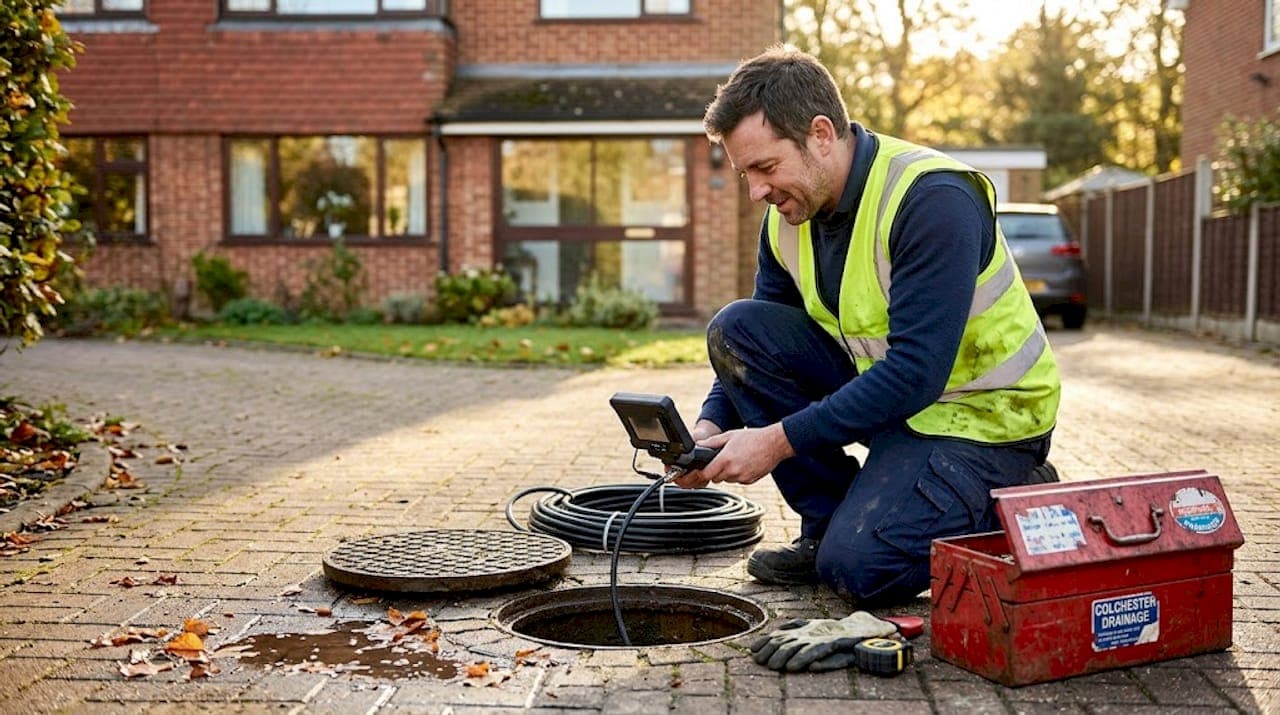
What separates emergency drainage from a standard plumber visit is the combination of equipment and expertise. Engineers use high-pressure water jetting to blast through stubborn blockages, CCTV cameras to locate the exact source of the problem, and specialist tools to repair or reline pipes without unnecessary excavation. You can explore the full range of expert drainage services available to understand what a professional response actually looks like.
"Professional emergency services offer reliability and prevent escalation of issues" — this is the core reason why calling early almost always costs less than waiting.
For homeowners facing urgent situations, having access to services for urgent drainage problems means the difference between a contained repair and a catastrophic one. The investment in professional intervention is almost always a fraction of the cost of the damage it prevents.
Common scenarios that demand immediate action
Knowing when to pick up the phone is just as important as knowing who to call. Some blockages are genuinely minor. Others are warning signs of something far more serious beneath the surface.
Here are the most common emergency scenarios Reading homeowners face:
- Sewage flooding in the garden or bathroom. This almost always points to a blocked or collapsed main sewer line. Raw sewage is a biohazard and must be dealt with immediately.
- Overflowing drains after rainfall. If your outdoor drains cannot handle normal rain, the blockage is likely deep in the system and growing.
- Multiple blocked fixtures at once. When your toilet, bath, and sink all drain slowly at the same time, the blockage is almost certainly in the main drain rather than an individual pipe.
- Persistent gurgling sounds. That bubbling noise from your toilet when you run the sink is air being pushed back through a partial blockage. It will get worse.
- Repeated blockages in the same location. If the same drain blocks every few weeks, there is an underlying structural issue that a plunger will never fix.
For detailed guidance on managing these situations, our resolving blocked drains guidance covers the steps to take before help arrives.
Pro Tip: If you notice water backing up in a ground-floor drain when you flush an upstairs toilet, stop using all water immediately and call for emergency help. This is a strong indicator of a main sewer blockage, and continued use will make the flooding significantly worse.
It is worth noting that DIY solutions risk escalation in severe emergencies, even when they appear to provide short-term relief. A drain that seems to clear after using chemical unblocker may simply have a temporary gap in the blockage. The underlying cause remains, and the next episode is usually worse. Our advice on dealing with blocked drains explains exactly why recurring issues need professional investigation rather than repeated DIY attempts.
DIY methods versus professional intervention
Not every blocked drain requires an emergency call-out. A slow-draining bathroom sink caused by a build-up of hair and soap scum is a reasonable candidate for a plunger or a drain snake. The question is knowing where the line is.
| Situation | DIY appropriate? | Professional needed? |
|---|---|---|
| Slow-draining sink with visible debris | Yes | Not immediately |
| Toilet blocked by excess paper | Possibly | If plunging fails |
| Multiple fixtures draining slowly | No | Yes, urgently |
| Sewage smell from drains | No | Yes, immediately |
| Outdoor drain overflowing | No | Yes, urgently |
| Recurring blockage in same drain | No | Yes, for diagnosis |
The strengths of DIY are real but limited. A plunger costs a few pounds and can shift a straightforward blockage in minutes. Baking soda and vinegar can help with mild grease build-up. Plungers and baking soda work well for minor clogs, but professional services are essential when reliability matters in an emergency.
The risks of DIY go beyond just failing to fix the problem. Caustic chemical drain cleaners can damage older pipework. Forcing a drain snake incorrectly can push a blockage deeper or crack a fragile pipe joint. And without CCTV inspection, you cannot know whether the blockage is a grease build-up, a root intrusion, or a collapsed section of pipe. Each of those requires a completely different solution.
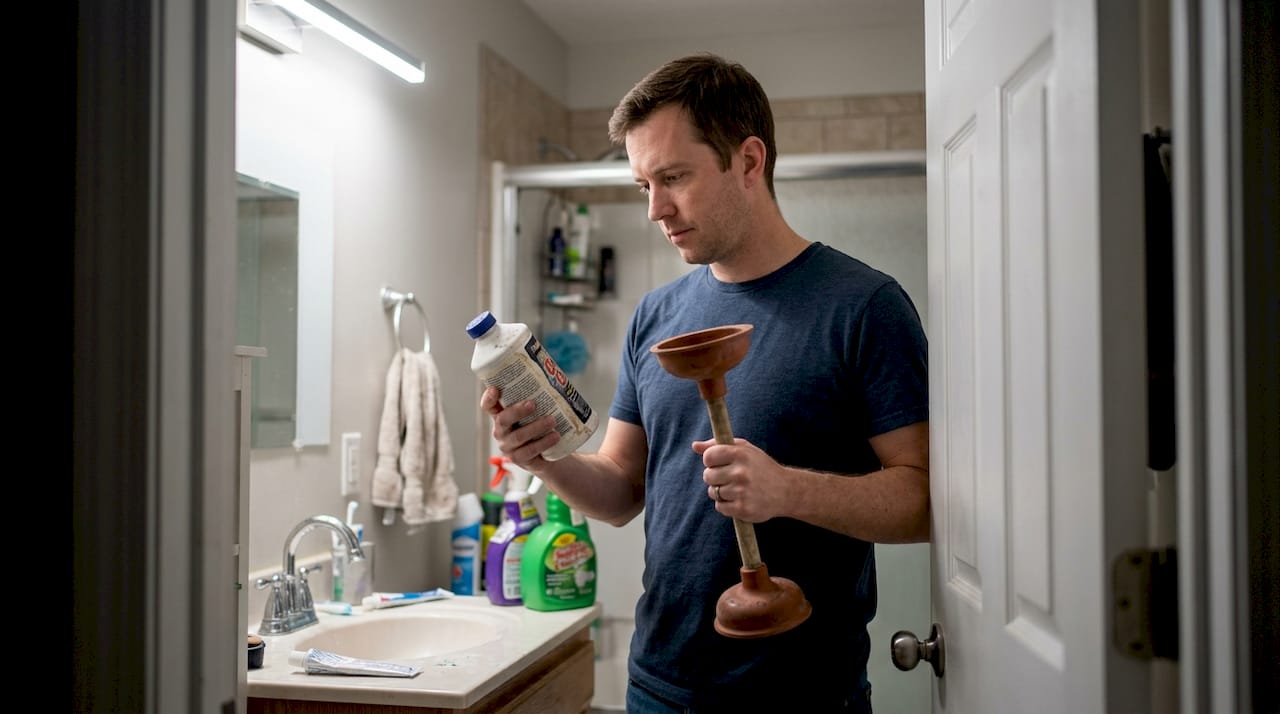
Pro Tip: If you have used chemical drain cleaner and the drain is still blocked, tell the engineer before they arrive. Residual chemicals in standing water are a safety hazard for anyone working on the drain.
For practical drainage advice and tips on what you can safely attempt yourself and when to stop, our blog covers the most common scenarios in plain language.
The benefits of timely emergency drain service
Acting fast when a drain emergency strikes is not just about stopping the immediate problem. It is about protecting everything that comes after.
The financial case for acting quickly:
| Action taken | Typical cost range | Potential damage avoided |
|---|---|---|
| Emergency call-out within hours | £150 to £400 | Thousands in structural repairs |
| Delayed response (24 to 48 hours) | £400 to £900 | Mould remediation, flooring replacement |
| No action for several days | £1,000 and above | Foundation damage, electrical risk |
The numbers make the case clearly. Prompt professional services prevent escalating repair costs and extensive property damage. Every hour of sewage or water exposure increases the likelihood of mould growth, which can take hold within 24 to 48 hours of water damage occurring.
Beyond the financial argument, the benefits of timely intervention include:
- Structural protection: Water that reaches floor joists, wall cavities, or foundations causes long-term damage that is expensive and disruptive to repair
- Electrical safety: Water near wiring or consumer units creates genuine risk of fire or electrocution
- Health protection: Sewage contains harmful bacteria and pathogens that contaminate surfaces and air quality
- Reduced disruption: A fast response means less time without usable bathrooms or kitchens
- Insurance compliance: Many home insurance policies require prompt action to mitigate damage. Delayed response can affect your claim
For homeowners across the region, 24-hour drainage services in Reading mean you are never more than a phone call away from professional help, regardless of the time. The same rapid response is available through Newbury drain unblocking and Oxford emergency drainage for those in surrounding areas.
Why most homeowners wait too long—and what really works
In our experience, the most common mistake is not failing to recognise a drain emergency. It is choosing to wait and see. Homeowners worry about the cost of a call-out. They try one more bottle of drain cleaner. They tell themselves it will probably clear on its own. It rarely does.
The uncomfortable truth is that waiting almost always costs more. A £200 emergency call-out on a Monday evening becomes a £2,000 floor replacement by Wednesday if sewage has been sitting beneath your floorboards. The fear of the bill is understandable, but it is based on the wrong comparison. You are not choosing between paying and not paying. You are choosing between paying a little now or a great deal more later.
Our rule of thumb: if you have tried one DIY method and it has not worked, stop. If any drain in your home is completely blocked, stop. If you can smell sewage, stop immediately and call. The framework is simple. The moment a problem is beyond a single, straightforward fix, it is beyond DIY. For those moments, 24 hour emergency drain unblocking is exactly what the situation demands. Protecting your home starts with making that call without hesitation.
Get rapid, professional help for your drainage emergency
When a drain emergency strikes, every minute matters. At 777 Drains, we provide round-the-clock emergency response for homeowners across Reading and the surrounding area. Our engineers arrive fast, diagnose accurately, and fix the problem at the source rather than masking it.

Whether you are dealing with a sewage backup, a flooded garden drain, or a blockage that keeps coming back, our comprehensive drainage services cover everything from high-pressure jetting to full CCTV inspection and pipe repair. Do not wait for the situation to worsen. If you need emergency help in Reading, our team is ready to respond right now. Book online or call us directly for immediate assistance.
Frequently asked questions
What qualifies as a drainage emergency?
Sewage flooding or blocked main pipes require immediate professional intervention, making them clear drainage emergencies. Rapid flooding, persistent sewage odours, and multiple blocked fixtures simultaneously also qualify.
Can I try to fix a blocked drain myself?
You can use a plunger or drain cleaner for small blockages, but DIY methods worsen severe problems in many cases. If the issue is recurring or affects multiple fixtures, call a professional without delay.
How quickly should I call for emergency drain services?
Call immediately if you notice persistent blockages, overflowing, or sewage odours. Quick intervention prevents extensive property damage and the costly repairs that follow.
Are emergency drain services available 24/7 in Reading?
Yes, local specialists including 777 Drains offer round-the-clock emergency response for drain problems across Reading and the surrounding area.
What should I do while waiting for emergency help?
Stop using all water-connected fixtures immediately and turn off the water supply to the affected area if possible. This limits further damage until the engineers arrive.