
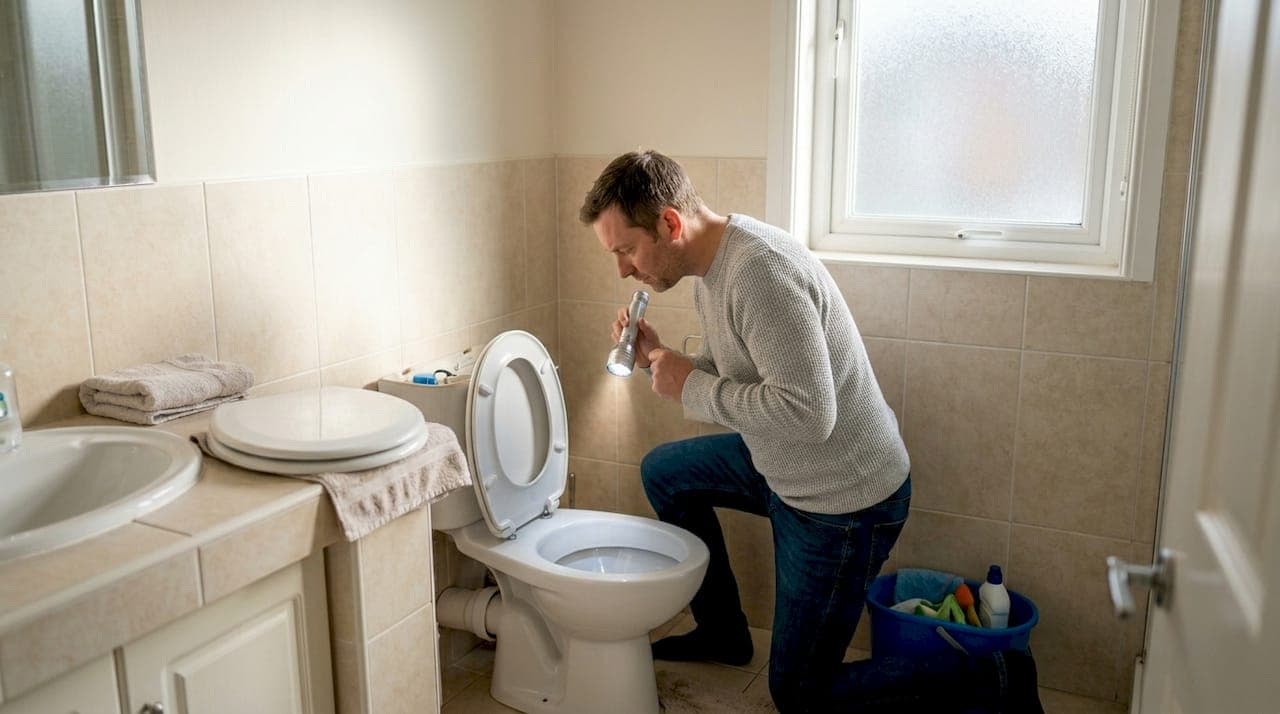
A blocked toilet is one of those household emergencies that demands immediate attention. One moment everything is fine, and the next you are watching water creep dangerously close to the rim, wondering whether your bathroom floor is about to become a disaster zone. For homeowners in Reading and the surrounding areas, knowing exactly what to do in those first critical minutes can be the difference between a quick fix and a costly repair. This guide walks you through recognising the problem, gathering the right tools, clearing the blockage safely, and knowing when to call in a professional drainage specialist.
Table of Contents
- Understanding the signs of a blocked toilet
- Gathering the essential tools and safety materials
- Step-by-step guide to unblocking a toilet
- Troubleshooting persistent or severe blockages
- Preventing future toilet blockages
- Expert drainage support for tough blockages
- Frequently asked questions
Key Takeaways
| Point | Details |
|---|---|
| Recognise early signs | Spot warning symptoms to prevent bigger plumbing issues. |
| Use safe DIY methods | Manual techniques can clear most blockages without risking your pipes. |
| Know DIY limits | Seek expert help for repeat, severe, or unknown blockages. |
| Prevent future problems | Simple responsible habits keep toilets clear and reduce costly repairs. |
| Local help is available | Professional drainage services can resolve urgent blockages quickly in Reading. |
Understanding the signs of a blocked toilet
Before you reach for the plunger, it helps to understand what you are actually dealing with. A blocked toilet rarely announces itself all at once. More often, it gives you warning signs that build gradually, and catching them early is the key to avoiding a much bigger mess.
Common symptoms to watch for include:
- Slow draining water after flushing, where the bowl empties far more slowly than usual
- Rising water levels that climb towards the rim rather than flushing away cleanly
- Gurgling sounds coming from the toilet or nearby drains, which suggest trapped air in the pipe
- Unpleasant smells rising from the bowl, indicating waste is not clearing properly
- Water backing up into the shower or bath when you flush, pointing to a deeper blockage
As recognising drain blockages highlights, blocked toilets may present with slowly draining water or unusual noises before a full blockage takes hold. Acting on these early signals prevents a partial obstruction from becoming a complete one.
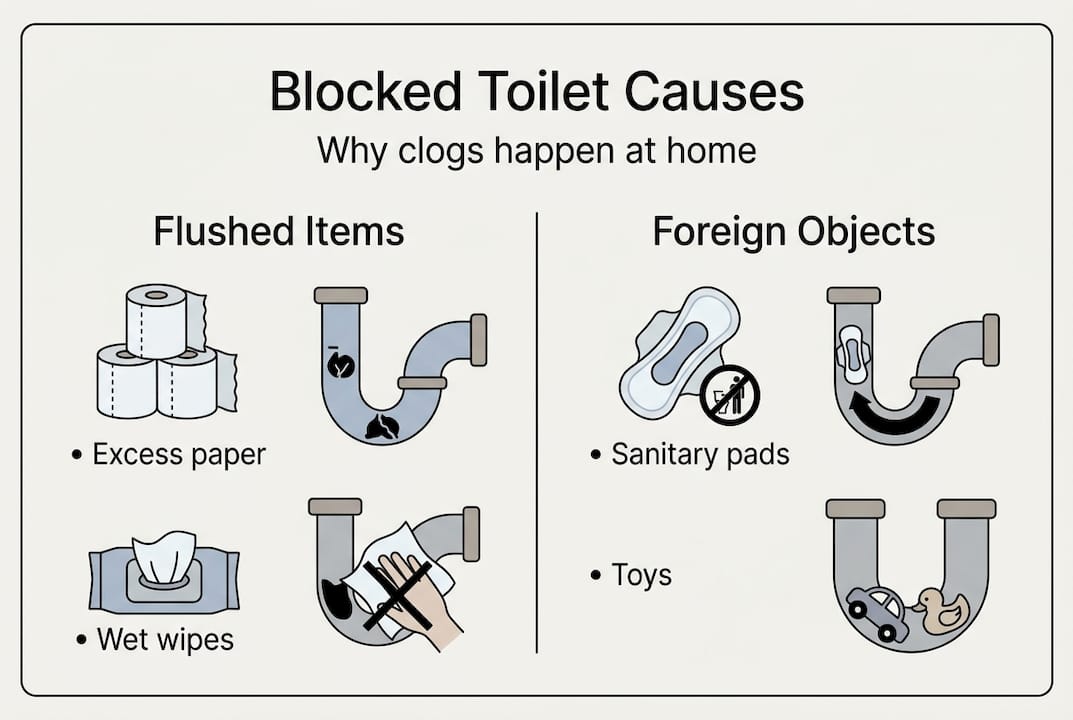
The most common causes include excessive toilet paper, flushing wet wipes or sanitary products, foreign objects dropped accidentally, and in older properties, tree root intrusion into the drain pipe. Build-up of limescale and waste over time can also narrow the pipe gradually until flow is restricted entirely.
Pro Tip: If your toilet gurgles when you run the bathroom sink, the blockage may already be further down the shared drain rather than in the toilet itself. This distinction matters when choosing your approach.
Gathering the essential tools and safety materials
Once you have confirmed a blockage, resist the urge to flush repeatedly. Each additional flush risks overflowing the bowl. Instead, gather your equipment before you start.
Here is what you will need:
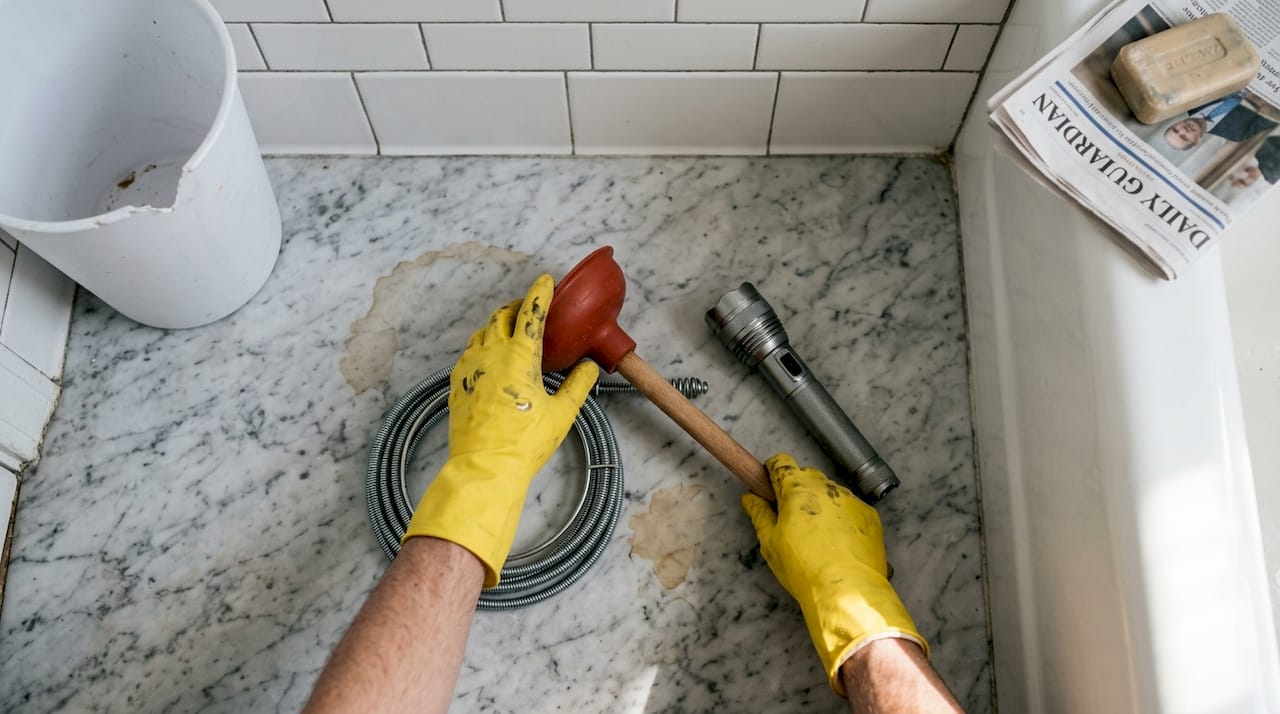
- A cup plunger or flange plunger (the flange type, with an extended rubber lip, is specifically designed for toilets)
- Rubber gloves that extend past the wrist for hygiene protection
- Old towels or newspaper to protect the floor around the toilet base
- A bucket for bailing excess water if the bowl is too full
- A drain snake or toilet auger for blockages that resist plunging
As drainage safety advice confirms, using proper tools and taking safety precautions can ensure minor blockages are dealt with quickly and without unnecessary risk.
| Tool | Best for | Limitation |
|---|---|---|
| Cup plunger | Soft, surface-level blockages | Less effective in toilet traps |
| Flange plunger | Toilet-specific blockages | Requires correct technique |
| Drain snake | Deeper or stubborn blockages | Can scratch porcelain if misused |
| Toilet auger | Blockages within the toilet trap | Limited reach beyond the trap |
Pro Tip: Before plunging, lower the water level in the bowl to roughly half full using a bucket. This gives you better control and reduces the risk of splashing contaminated water.
Step-by-step guide to unblocking a toilet
With your materials ready, follow this structured approach to clear most blockages safely and effectively.
- Put on your gloves and lay towels around the base of the toilet to protect the floor.
- Bail out excess water if the bowl is near the rim, leaving it roughly half full.
- Position the flange plunger so the rubber cup fully covers the drain opening at the bottom of the bowl. A good seal is essential.
- Push down slowly on the first stroke to expel air, then pump firmly up and down ten to fifteen times without breaking the seal.
- Pull the plunger away sharply on the final stroke to create suction. Check whether water drains freely.
- Repeat two or three times if the blockage does not clear immediately.
- Try hot water if plunging alone fails. Pour a washing-up bowl of hot (not boiling) water from waist height into the bowl. The pressure and heat can help shift a stubborn clog.
- Use a drain snake or toilet auger for blockages that resist both methods. Feed the cable gently into the drain, rotating as you go, until you feel resistance. Work the cable back and forth to break up or retrieve the obstruction.
As home plunging techniques confirm, manual plunging succeeds in most mild home blockage cases, while persistent issues may need expert drainage solutions to resolve safely.
Important: Never use chemical drain cleaners in a toilet. They can corrode older pipes, damage the porcelain, and create dangerous fumes in an enclosed bathroom. They are also largely ineffective against solid blockages.
| Method | Effectiveness | Risk level |
|---|---|---|
| Plunging | High for soft blockages | Low |
| Hot water | Moderate | Low |
| Drain snake | High for deeper clogs | Low to moderate |
| Chemical cleaners | Low | High |
Troubleshooting persistent or severe blockages
Some blockages refuse to clear no matter how diligently you plunge. This is not a failure on your part. It is a signal that the problem lies deeper in the drainage system than DIY tools can reach.
Watch for these warning signs that suggest a more serious issue:
- Water backing up into other fixtures such as the bath or sink when you flush
- The blockage returning within days of clearing it
- A persistent foul smell that does not improve after clearing
- Visible cracks or damage around the toilet base
- Multiple drains in the property running slowly at the same time
Pro Tip: If more than one drain in your home is affected simultaneously, the blockage is almost certainly in the main sewer line rather than the toilet itself. Stop using water-heavy appliances and call a professional immediately.
When DIY methods reach their limit, professional diagnostics make all the difference. CCTV drain solutions involve inserting a small camera into the drain to pinpoint the exact location and nature of the blockage, whether that is a collapsed pipe, root intrusion, or a build-up of compacted waste. As confirmed by persistent blockage advice, professional drain clearing may involve CCTV surveys to diagnose underlying issues accurately.
Attempting to force a drain snake past a collapsed section of pipe can cause further damage. If you suspect structural issues, stop and seek professional assessment.
Preventing future toilet blockages
Once your toilet is working again, a few straightforward habits will significantly reduce the chance of a repeat blockage. Prevention is far less stressful and far less expensive than cure.
Follow these practical steps:
- Only flush the three Ps: pee, paper, and the obvious third. Everything else belongs in the bin.
- Avoid flushing wet wipes, even those labelled as flushable. They do not break down in the pipe and are a leading cause of blockages across the UK.
- Do not pour fats, oils, or grease down any drain. They solidify in the pipe and trap other debris.
- Use a toilet brush regularly to prevent waste build-up around the trap.
- Educate children and guests about what should and should not go down the toilet.
- Schedule periodic checks of your drainage system, particularly in older properties where pipe condition may be deteriorating.
As local drain maintenance advises, avoiding unsuitable materials in the toilet and carrying out regular check-ups help prevent recurring blockages before they become serious problems.
For households with young children, a simple toilet lock can prevent toys and other objects from being flushed accidentally. It is a small investment that saves considerable hassle.
Expert drainage support for tough blockages
Even with the best preparation and technique, some blockages are simply beyond what a plunger and a drain snake can handle. That is not a reflection of your effort. It is a reflection of the complexity hiding beneath your floor.

At 777 Drains, we provide fast, professional support for homeowners across Reading and the surrounding areas when DIY reaches its limits. Our drainage services cover urgent toilet unblocking, full drain survey specialist assessments using high-definition CCTV cameras, and lasting repairs that address the root cause rather than just the symptom. Whether you are dealing with a one-off emergency or a recurring problem that keeps coming back, our experienced engineers are available around the clock. Reach out to our 24hr drainage experts today and get your home back to normal without delay.
Frequently asked questions
What causes most home toilet blockages?
Flushing excessive toilet paper, wet wipes, or foreign objects are the main culprits, as improper materials in the toilet account for the vast majority of residential blockages.
Is it safe to use chemical drain cleaners in toilets?
Generally, no. Chemical cleaners can corrode pipes and pose health risks in enclosed spaces, and as pipe corrosion risks confirm, manual methods are always the safer and more effective choice.
How can I tell if a blockage requires professional help?
Persistent blockages, water overflowing into other fixtures, or a strong ongoing smell are clear indicators, and professional CCTV diagnosis is often the only reliable way to identify the underlying cause.
Can regular maintenance reduce toilet blockages?
Absolutely. Routine cleaning and sticking to the rule of only flushing appropriate materials significantly lowers risk, as regular cleaning is one of the most effective preventive measures available.
What should I do if DIY methods fail?
Contact a local drainage specialist without delay. Professional drainage services are available around the clock for urgent situations and can resolve even the most stubborn blockages safely.