
TL;DR:
- Early detection of drain issues through symptoms like odours and slow drainage can prevent costly repairs.
- Causes of drain failure include fat buildup, tree roots, and aging pipes; early action reduces damage.
- Professional CCTV surveys and prompt repairs are essential to avoid escalation and property damage.
Drain problems rarely announce themselves loudly. A faint smell here, a slow plug hole there — and before you know it, you're facing a flooded garden or a cracked pipe. For homeowners across Reading, Oxford, Newbury, Didcot, Swindon, Basingstoke, and Bracknell, catching these early signals is the difference between a modest repair bill and a genuinely disruptive, expensive job. This guide walks you through the most common warning signs, helps you judge which issues need urgent attention, explains the typical causes of drain damage, and gives you a clear plan of action so you know exactly what to do next.
Table of Contents
- Common symptoms of drainage problems
- Comparing minor issues vs. signs of urgent drain repair
- Pinpointing causes: what leads to drain damage?
- Next steps: how to handle drain repair
- Why waiting often costs more: a professional perspective
- Get local help with expert drain repairs
- Frequently asked questions
Key Takeaways
| Point | Details |
|---|---|
| Early warning signs matter | Noticeable smells, slow draining, and odd noises mean it’s time to investigate your drains. |
| Urgent issues need experts | Flooding, leaks, and persistent blockages require professional drain repair to prevent property damage. |
| Identify root causes | Most drain problems stem from fat deposits, tree roots, or old pipes, so prevention helps avoid costly repairs. |
| Prompt repairs save money | Acting quickly on symptoms reduces the chance of expensive emergency interventions. |
| Local specialists available | Drainage experts in Reading, Oxford, and Newbury offer fast, reliable repair services to keep your home safe. |
Common symptoms of drainage problems
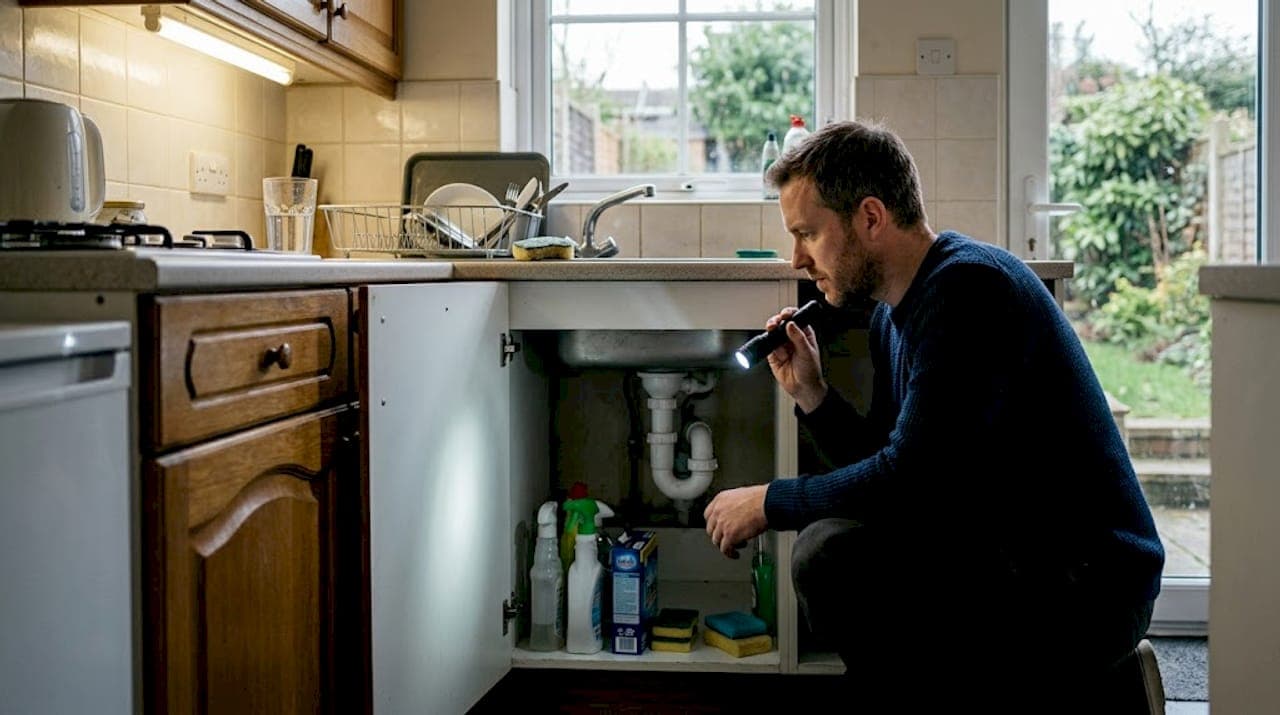
Most drain problems begin with signs that are easy to dismiss. A gurgling sound when you flush the toilet, a slight whiff near the kitchen sink, or water that takes a few extra seconds to drain — these are not quirks of an old house. They are your drains telling you something is wrong.
Here are the most common symptoms homeowners in Reading and Oxford report before calling for help:
- Foul odours: Persistent bad smells from drains are an early indicator of blockage or pipe deterioration. Rotting food, grease, and sewage build up inside the pipe and release gases into your home.
- Slow draining: Water pooling in the sink, shower, or bath and taking longer than usual to clear is a classic sign of a partial blockage.
- Gurgling sounds: Air being forced through a partially blocked pipe creates gurgling or bubbling noises, often heard from plug holes or toilets.
- Frequent blockages: If you are clearing the same drain repeatedly, the underlying cause has not been resolved.
- Damp patches or sinkholes: Wet patches in the garden or soft ground near drain runs can mean a pipe is leaking underground.
- Water backing up: Waste water returning through a plug hole or toilet is a serious sign that needs immediate attention.
Many homeowners mistake a gurgling toilet for a minor plumbing quirk. In reality, it often signals a blockage further down the system that will worsen without intervention.
These domestic drainage issues are well documented, and ignoring them is a common and costly mistake. The good news is that spotting them early means repair is almost always quicker and cheaper. For ongoing drainage tips on keeping your system healthy, it is worth familiarising yourself with what is normal for your property and what is not.
Comparing minor issues vs. signs of urgent drain repair
Not every slow drain is an emergency, but knowing the difference between a minor inconvenience and a serious problem is essential. The table below gives you a clear comparison.
| Symptom | Minor issue | Urgent drain repair needed |
|---|---|---|
| Slow draining | Occasional, clears with plunger | Persistent, affects multiple fixtures |
| Smell from drains | Faint, after cooking | Strong, constant, sewage-like |
| Gurgling sounds | Rare, single fixture | Regular, heard across the house |
| Water backing up | Isolated to one sink | Multiple points, toilet included |
| Damp in garden | After heavy rain | Persistent, no rainfall needed |
A single slow-draining sink after a heavy cooking session is usually manageable with a drain cleaner or plunger. However, blocked drains can rapidly escalate into flooding and structural damage if left untreated. We have seen this happen in Bracknell, where a homeowner ignored recurring garden flooding for two months. What started as a root intrusion became a collapsed section of pipe requiring full excavation.
For drain unblocking in Newbury and surrounding areas, the pattern is similar. Homeowners who act on the first sign of trouble consistently face lower repair costs and shorter disruption periods.
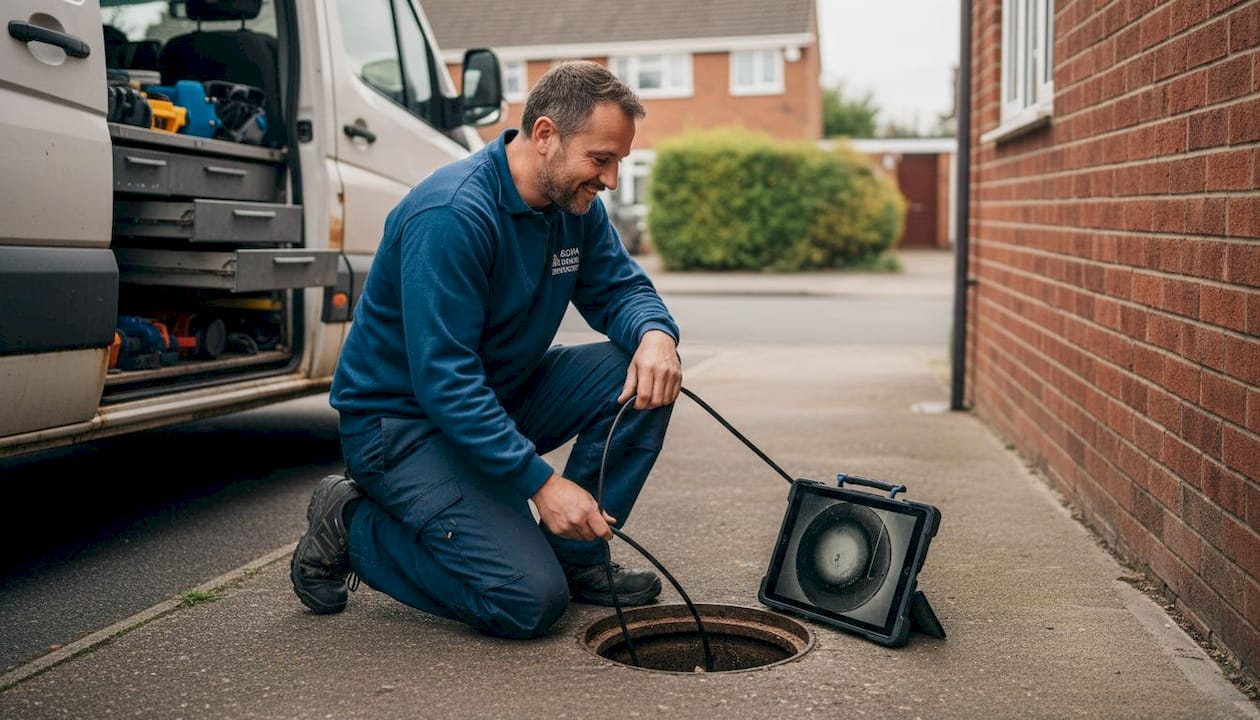
Pro Tip: If you are unsure whether your drain issue is minor or serious, a CCTV drain survey removes all guesswork. A camera is fed through the pipe to give engineers a live view of exactly what is happening inside, allowing for precise diagnosis without digging up your garden unnecessarily. Ask about professional drainage solutions that include this as a first step.
Pinpointing causes: what leads to drain damage?
Understanding why drains fail helps you prevent future problems and make sense of what your engineer finds during a survey. Tree root ingress and fat build-up are prevalent causes of drain damage in the South East, and both are things local homeowners can take steps to manage.
Preventable causes:
- Fat, oil, and grease poured down the kitchen sink solidify inside pipes and trap other debris
- Wet wipes, cotton pads, and sanitary products flushed down toilets, even those labelled flushable
- Leaves and garden debris entering outdoor drains
- Incorrect pipe connections made during DIY plumbing work
Causes that are harder to avoid:
- Tree root ingress, where roots from nearby trees grow into pipe joints seeking moisture
- Ground movement caused by frost, drought, or nearby construction shifting pipe alignment
- Ageing pipes made from clay or cast iron that crack or corrode over time
- Subsidence affecting the gradient of drain runs, causing waste to pool rather than flow
Tree roots are a particularly significant issue across the South East. Properties with mature trees nearby, common in areas like Oxford and drain repairs in Oxford are frequently requested for this reason, face a higher risk of root intrusion. Roots can enter through even the smallest crack in a joint and then expand, eventually blocking or fracturing the pipe entirely.
For homeowners in blocked drains in Bracknell, ageing clay pipes are also a frequent culprit, particularly in properties built before the 1980s. These pipes were not designed for modern water usage volumes and deteriorate over time.
Next steps: how to handle drain repair
If you have spotted any of the symptoms described above, here is a straightforward process to follow.
- Stop using the affected drain where possible to prevent further backup or damage.
- Note the symptoms — which fixtures are affected, how long it has been happening, and whether smells or sounds are present. This information helps engineers diagnose faster.
- Book a CCTV drain survey. CCTV drain surveys are the leading method for locating problems and assessing pipe integrity. A camera inspection gives a definitive answer rather than guesswork.
- Receive a clear quotation based on survey findings before any work begins.
- Proceed with repair using the method best suited to the problem, whether that is high-pressure jetting, patch lining, or excavation.
The table below outlines typical repair timescales for common issues.
| Issue | Typical repair time |
|---|---|
| Simple blockage (jetting) | 1 to 2 hours |
| Root removal and jetting | 2 to 4 hours |
| Patch lining (no-dig repair) | Half a day |
| Pipe relining (full section) | 1 day |
| Excavation and pipe replacement | 1 to 3 days |
Specialists covering Swindon and Basingstoke regularly handle the full range of these repairs. Knowing what to expect in terms of time helps you plan around the work with minimal disruption. To book drainage services or find out more about options for drain repairs Reading, getting a survey arranged quickly is always the right first move.
Why waiting often costs more: a professional perspective
Here is something we see repeatedly: homeowners wait for a problem to become undeniable before calling for help. The logic seems reasonable — why spend money if it might resolve itself? But drains do not self-repair. A partial blockage becomes a full blockage. A small crack in a clay pipe lets in roots that widen it further. A slow leak under the garden softens the ground until a section of pipe collapses.
We have attended blocked drain situations in Reading where a homeowner had been aware of slow drainage for over six months. The eventual repair cost was four times what it would have been had they acted at the first sign. That is not an unusual story.
The uncomfortable truth is that delaying drain repairs increases the risk of property damage and higher repair costs. Annual checks are not excessive — they are sensible. A quick inspection each year, particularly before winter when ground movement and heavy rainfall put extra pressure on pipes, catches problems while they are still minor. For emergency drain unblocking situations, we respond fast, but prevention is always the better outcome for everyone.
Get local help with expert drain repairs
If anything in this guide sounds familiar, the smartest move is to get a professional assessment booked before the problem worsens.

Our drainage service specialists cover Reading, Oxford, Newbury, and Bracknell, with rapid-response teams ready to investigate and resolve issues with minimal disruption to your home. Whether you need CCTV drain surveys to pinpoint a hidden problem or are already dealing with a blockage that needs clearing today, we can help. For Newbury drain repairs and across the wider region, get in touch to arrange a survey or request a no-obligation quote. Acting early is always the most cost-effective decision.
Frequently asked questions
How can I tell if my drains need urgent repair?
Persistent foul smells, slow drainage across multiple fixtures, and visible leaks or damp patches are clear signals that urgent repair is needed rather than a wait-and-see approach.
What causes most drain failures in homes?
Fat build-up, tree roots, and ageing pipes are the most common causes of drain failure in local homes, with tree root ingress being especially prevalent in properties with mature gardens.
Can I fix minor drain blockages myself?
Minor, isolated blockages can often be cleared with a plunger or drain cleaner, but severe or recurring problems require a professional to identify and resolve the root cause properly.
How quickly should drains be repaired once problems occur?
Repairs should be arranged as soon as symptoms appear, as delaying increases risk of escalating damage, higher costs, and potential structural harm to your property.
What is the role of CCTV drain surveys in repairs?
CCTV surveys are the most accurate way to pinpoint problems inside pipes, guiding engineers to the exact location and nature of the issue before any repair work begins.