
TL;DR:
- Roots invade pipes through small defects, not by breaking intact pipes.
- Signs include slow drainage, recurring blockages, and lush grass over drains.
- Regular surveys and pipe repairs prevent costly root-related damage in UK homes.
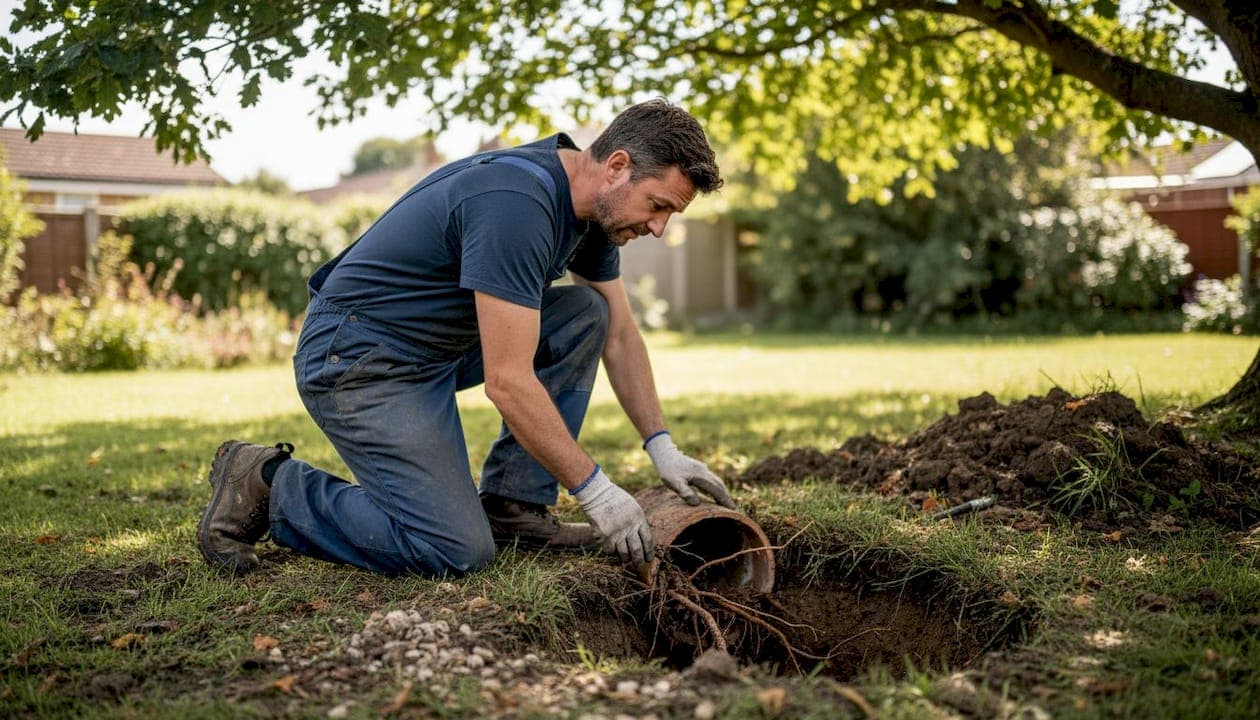
Most UK homeowners assume tree roots are aggressive pipe-breakers, forcing their way through solid drainwork like nature's own demolition crew. The reality is far more subtle, and arguably more worrying. Roots are opportunists. They follow moisture, and if your pipes have even the smallest defect, roots will find it, enter it, and slowly turn a hairline crack into a full blockage. With repair bills for root-damaged drains regularly running into thousands of pounds, understanding how this process actually works is the most practical thing you can do to protect your home.
Table of Contents
- How and why tree roots enter drainage systems
- Warning signs of tree roots affecting your drains
- Comparing pipe types: vulnerability to root intrusion
- How to prevent and resolve tree root problems in drains
- Why most UK homeowners underestimate root risks and what actually works
- Professional help for tree-root-damaged drains
- Frequently asked questions
Key Takeaways
| Point | Details |
|---|---|
| Roots exploit leaks | Tree roots do not break healthy pipes but enter through cracks and faulty joints where moisture escapes. |
| Detection is crucial | Identifying early warning signs can prevent expensive flooding or subsidence. |
| Pipe type matters | Clay pipes are much more at risk from root intrusion compared to modern PVC drains. |
| Regular maintenance pays | CCTV surveys and timely repairs offer the best protection against root damage. |
How and why tree roots enter drainage systems
With common myths out of the way, let's clarify exactly how tree roots find and invade your drains.
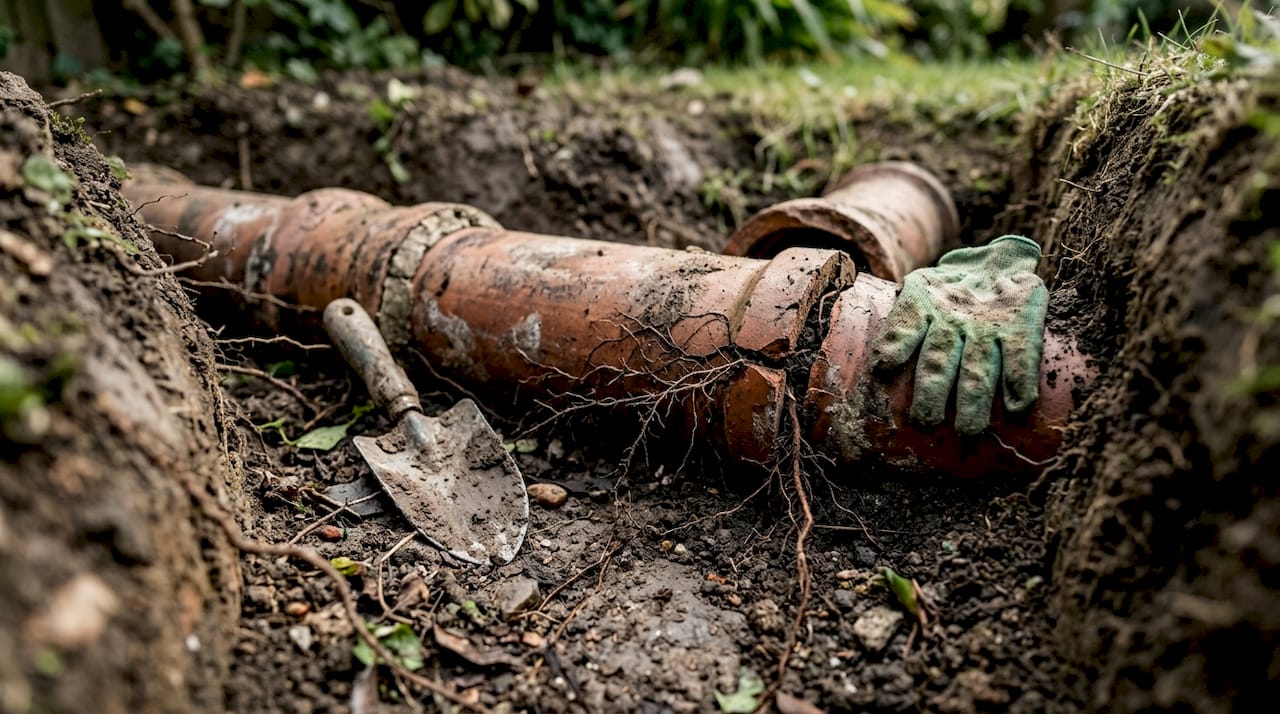
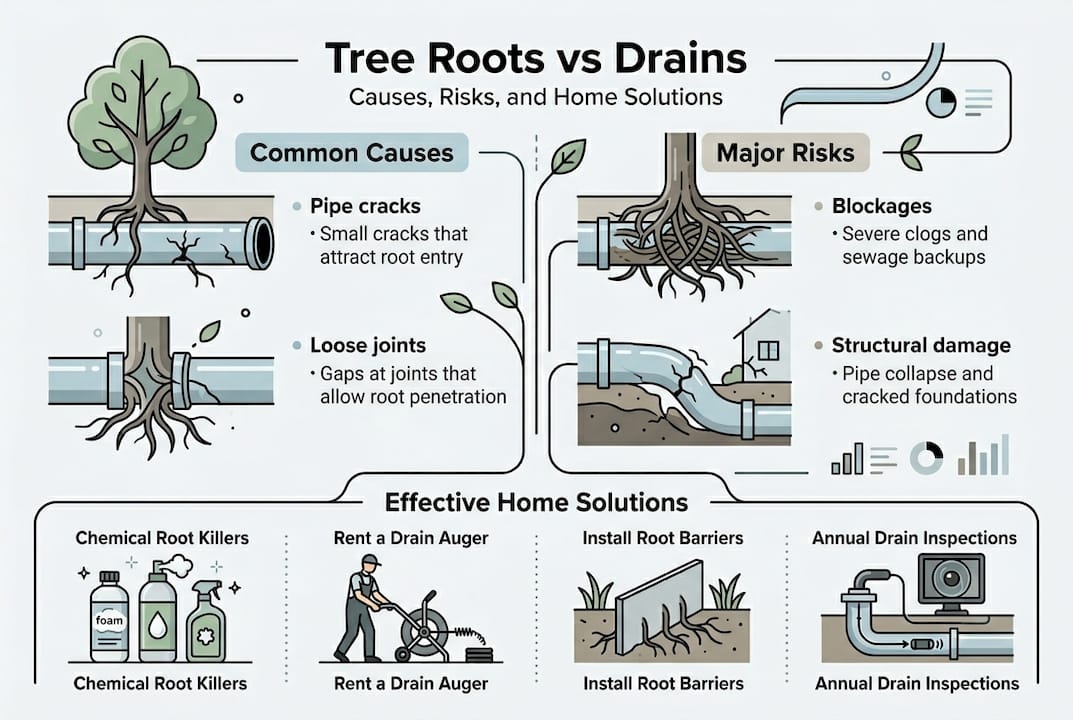
Tree roots do not bulldoze their way through intact pipework. Instead, the finest root tips, sometimes no wider than a human hair, seek out warm, moist air escaping from tiny pipe defects. Once a root tip finds a small crack, a loose joint, or a deteriorating section, it slips inside and begins to grow. Over months and years, what started as a thread becomes a dense, branching mat that catches debris and restricts flow. The Royal Horticultural Society confirms that roots invade through small cracks, loose joints, or deteriorating sections and are attracted by water and nutrients escaping from the pipe.
Several factors make UK homes particularly susceptible:
- Ageing infrastructure: A significant proportion of British homes, particularly those built before 1970, sit above clay pipe drainage systems with push-fit or mortar joints that degrade over decades.
- Established trees: Mature oaks, willows, and poplars are common in UK gardens and streets, with root systems extending well beyond their canopy spread.
- Seasonal drought: During dry summers, soil moisture drops sharply. Roots actively migrate toward the reliable moisture source inside leaking pipes, making warm-weather inspections especially revealing.
- Ground movement: Frost, drought, and clay soil shrinkage cause pipes to shift slightly, loosening joints and creating new entry points.
Modern PVC drainage pipes are more resistant to root intrusion because they use solvent-welded or rubber-sealed joints that stay watertight far longer. However, even PVC is not entirely immune. Joints can work loose over time, and any ground movement that stresses the pipe can create an opportunity. You can explore your drainage service options to understand what type of pipe system your property may have.
"Roots do not break sound pipes. They exploit the weaknesses that already exist, turning minor defects into major blockages." This is why pipe condition matters far more than tree proximity alone.
Understanding how roots enter drains is the first step toward preventing them from becoming a costly problem in your home.
Warning signs of tree roots affecting your drains
Now that you know how roots get in, here's how to spot when they're causing problems near or beneath your home.
Root intrusion rarely announces itself dramatically. Instead, it creeps up through a series of symptoms that are easy to dismiss as minor nuisances. Recognising these early signs can save you from a far more disruptive and expensive repair down the line.
The most common indoor warning signs include:
- Slow-draining sinks and baths: Water taking noticeably longer to clear is one of the earliest indicators of a partial blockage forming inside the pipe.
- Gurgling toilets: Air being pushed back through the system as water struggles past an obstruction creates that distinctive gurgling sound.
- Recurring blockages: If you've cleared a blockage two or three times in the same location, roots are a likely culprit. A simple plunge or chemical treatment won't remove root growth.
- Unpleasant odours: Trapped debris caught in root mats begins to decompose, producing foul smells that drift back up through plug holes and toilet pans.
Outdoors, keep an eye out for localised patches of unusually lush, green grass above where your drain runs. Roots leaking nutrients into the surrounding soil create a fertilising effect that shows up clearly in dry weather. Damp patches on paths or in flower beds near drain covers are another red flag, suggesting a pipe has been compromised.
Seasonal patterns matter too. Root growth peaks in spring and early summer as trees push new growth. Many homeowners notice drainage problems worsening between April and July, which is no coincidence. Dense root mats restrict flow and produce the classic blockage symptoms that become harder to ignore as the season progresses.
If you're experiencing any of these symptoms, our emergency unblocking advice can help you decide on the right immediate action. For a broader look at what warning signs to watch for, our guide to blocked drain warning signs covers the full picture.
Pro Tip: Don't wait for a full blockage to act. A CCTV drain survey booked at the first sign of slow drainage can identify root intrusion early, when it's still cheap and straightforward to resolve.
Comparing pipe types: vulnerability to root intrusion
Knowing the tell-tale signs is crucial, but the type of drains beneath your home will often determine your real risk of root trouble.
Not all pipes are equally vulnerable. The material and age of your drainage system plays a major role in how likely roots are to gain entry, and how quickly a small intrusion becomes a serious problem.
| Pipe type | Typical age | Root vulnerability | Key weakness |
|---|---|---|---|
| Clay | Pre-1970 | Very high | Mortar joints crack and crumble over time |
| Pitch fibre | 1950s to 1970s | High | Deforms and collapses with age and ground pressure |
| Concrete | Pre-1980 | Moderate to high | Joints deteriorate; surface becomes porous |
| PVC/plastic | 1980s onwards | Low to moderate | Joints can loosen; resistant to cracking |
Clay pipes are by far the most problematic. Their original mortar or push-fit joints were never designed to last indefinitely, and after 50 or more years underground, many have already begun to fail. The Royal Horticultural Society notes that older clay pipes are most vulnerable, while modern PVC is more resistant but not foolproof at joints. It is estimated that over 60% of drain blockages involving root intrusion occur in clay pipe systems, a figure that underlines just how much the age of your home affects your risk.
Pitch fibre pipes, installed widely in post-war housing estates, present a different problem. They were marketed as a modern alternative to clay, but decades of ground pressure cause them to deform into an oval shape, restricting flow and creating rough internal surfaces where roots and debris catch easily.
Modern PVC drainage, used in homes built or substantially renovated since the 1980s, is significantly more resilient. The solvent-welded joints used in most installations create a genuinely watertight seal that gives roots very little to exploit. That said, ground movement, poor original installation, or age-related joint degradation can still create vulnerabilities.
If your home was built before 1970 and you have mature trees nearby, the combination of clay pipes and established root systems is the highest-risk scenario. Considering modern drain installations or targeted pipe relining can dramatically reduce your long-term exposure.
How to prevent and resolve tree root problems in drains
Once you know your own drainage setup, what can you do to keep roots out, or clear them if they're already causing issues?
The good news is that root intrusion is both preventable and treatable, provided you act before the problem becomes severe. Here is a practical, step-by-step approach:
- Book a CCTV drain survey. This is always the right starting point. A camera inspection reveals the exact location and extent of any root intrusion, the condition of your pipe joints, and whether any sections need repair. Without this, you're guessing.
- Mechanical root clearance. If roots are present, a specialist will use a high-pressure water jetter or mechanical cutting tool to remove the root mass from inside the pipe. This restores flow immediately.
- Targeted pipe repair or relining. Once roots are cleared, any defective sections should be repaired. Pipe relining involves inserting a resin-coated liner that cures in place, creating a smooth, watertight inner surface without excavation.
- Install root barriers where appropriate. Physical root barriers placed in the soil between trees and drain runs can redirect root growth away from pipework. These work best when installed during landscaping or new build work.
- Schedule regular inspections. For homes with mature trees and older pipes, a survey every two to three years keeps you ahead of any new intrusion.
The Royal Horticultural Society advises that watertight drains prevent entry and that regular maintenance and repairs make a major difference to long-term outcomes.
| Intervention | Approximate cost | Outcome |
|---|---|---|
| Routine CCTV survey | £150 to £300 | Early detection, peace of mind |
| Mechanical root clearance | £200 to £500 | Immediate flow restoration |
| Pipe relining (per metre) | £80 to £150 | Long-term watertight repair |
| Emergency excavation repair | £1,500 to £5,000+ | Last resort for severe damage |
Pro Tip: The cost difference between a routine survey and an emergency excavation repair is stark. Spending £200 now to catch a problem early is almost always cheaper than spending £3,000 to fix it once it's become critical.
You can book a CCTV drain survey to get a clear picture of your system's condition, or find out more about professional root removal if you suspect roots are already causing issues.
Why most UK homeowners underestimate root risks and what actually works
Most advice on tree roots and drains focuses on the blockage itself. Clear it, job done. But in our experience, that approach misses the point entirely.
The blockage is a symptom. The real problem is a pipe system that has become permeable, and until that's addressed, roots will return. We've seen homeowners clear the same drain three or four times in as many years, each time treating the root growth without ever fixing the joint that allowed entry in the first place.
What actually works is treating the pipe as the priority, not the tree. Removing a mature tree rarely solves drainage problems because existing roots remain in the ground for years. Fixing the pipe, either through relining or targeted joint repair, removes the moisture signal that attracted roots in the first place. Roots follow water. Eliminate the leak, and you eliminate the incentive.
There's also a mindset shift required around maintenance. Most UK homeowners only think about their drains when something goes wrong. For homes with trees nearby, that reactive approach is genuinely costly. The lessons from blocked drains we've attended over the years consistently show that the most expensive repairs were entirely avoidable with earlier intervention.
Regular surveys, watertight joints, and prompt minor repairs are not overcautious. For a home with clay pipes and established trees, they are simply good practice.
Professional help for tree-root-damaged drains
If you're facing persistent drainage woes, specialist support can make all the difference.
At 777 Drains, we provide 24-hour emergency call-outs for root-related blockages, alongside planned CCTV surveys and long-term repair solutions. Whether you need urgent unblocking or a full assessment of your drainage system, our engineers carry the equipment to diagnose and resolve root intrusion on the same visit.

We cover Newbury, Oxford, Reading, and the surrounding areas, with local teams who understand the specific drainage challenges of older UK housing stock. Our drainage services include everything from emergency clearance to modern drainage solutions that prevent root entry for the long term. Book a CCTV drain survey today and find out exactly what's happening beneath your property before it becomes an expensive emergency.
Frequently asked questions
Can tree roots actually break through solid drains?
Roots rarely break sound pipes; they exploit existing cracks or loose joints, then gradually worsen the damage over time. A well-maintained, watertight pipe gives roots very little opportunity to enter.
How can I tell if roots are blocking my drains?
Look for slow-flowing drains, repeated blockages in the same location, and unusually green or lush grass above your drain run. Dense root mats restrict flow and create the recurring symptoms many homeowners mistake for general wear.
Which types of pipes are most at risk from roots?
Older clay pipes with deteriorating mortar joints carry the highest vulnerability, particularly in homes built before 1970. Modern PVC pipes are considerably more resistant, though no system is entirely immune at the joints.
How often should I get a drain survey for tree root risks?
For properties with mature trees close to drain runs, a survey every two to three years is sensible. Book one sooner if you notice slow drainage or recurring blockages.
Can professional drain services remove tree roots without excavation?
Yes, in most cases. High-pressure jetting and mechanical cutting tools clear root growth from inside the pipe, and relining can then seal defective sections, all without digging up your garden unless damage is severe.