
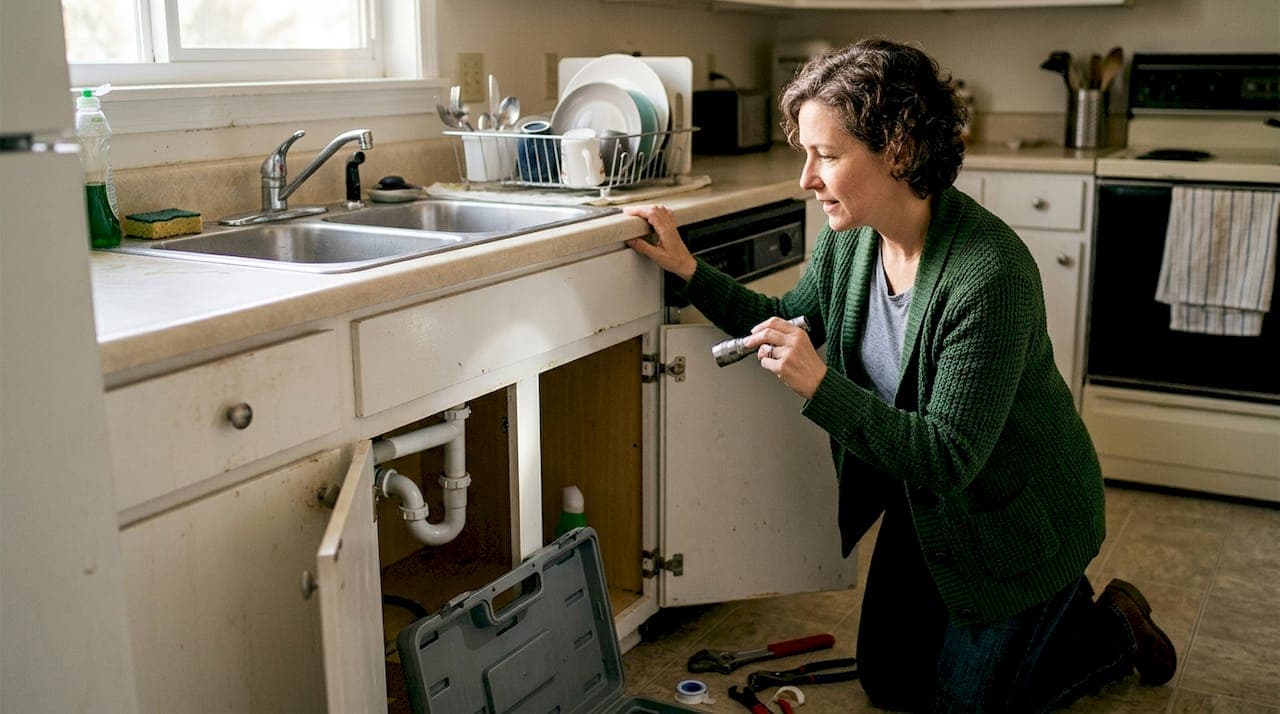
Most homeowners in Reading and the surrounding areas only notice a drain problem when it has already become a serious emergency. A slow-draining sink or a faint smell from the bathroom might seem trivial, but these are often the earliest signals of underlying pipe damage. Catching these signs early can save you hundreds, sometimes thousands, of pounds in repair bills. This guide walks you through the most common warning signs, how to compare their urgency, and exactly what to do before a minor issue turns into a major disruption.
Table of Contents
- What causes drain damage and why early detection matters
- Top 7 signs your drains may be damaged
- Comparing warning signs: Which issues demand urgent attention?
- How to check for drain damage and when to call an expert
- Deciding your next steps: Preventing future drain damage
- Get professional help for drain damage in Reading and nearby areas
- Frequently asked questions
Key Takeaways
| Point | Details |
|---|---|
| Early warning signs | Recognising slow drainage and strange odours quickly can save you expensive repairs. |
| Prioritise urgent symptoms | Overflowing manholes and persistent blockages need immediate professional help. |
| Routine inspections matter | Scheduling CCTV surveys and regular maintenance prevents drain issues from escalating. |
| Local specialist support | Reading-area homeowners have access to 24hr drainage experts for fast, reliable solutions. |
What causes drain damage and why early detection matters
Drains take a lot of punishment over the years. In Reading and nearby areas, the combination of older housing stock, mature trees, and heavy seasonal rainfall creates the perfect conditions for drain deterioration. The most frequent culprits include:
- Tree root intrusion into clay or older plastic pipes, which cracks and displaces joints over time
- Ageing pipework that corrodes, collapses, or becomes misaligned as the ground shifts
- Heavy rainfall and flooding, which overwhelms drainage systems and forces debris deep into pipes
- Fat, oil, and grease build-up from kitchen waste, which solidifies and restricts flow
- Ground movement, particularly in areas with clay-heavy soil common across Berkshire
The problem with drain damage is that it rarely announces itself loudly at first. A hairline crack in a pipe underground can go unnoticed for months while wastewater slowly saturates the surrounding soil. As the drain problem details show, damage progresses if untreated and leads to significantly higher repair costs the longer it is left.
"Addressing drainage issues early is always more cost-effective than waiting for a full system failure. What starts as a crack can become a collapsed pipe within months."
Exploring your drainage solutions early gives you far more options and keeps costs manageable. Prevention and prompt action are always cheaper than emergency repairs.
With the importance of early detection established, let's break down the warning signs homeowners should look out for.
Top 7 signs your drains may be damaged
Knowing what to look and listen for is the first step to protecting your home. These seven signs are the most reliable indicators that something is wrong beneath the surface.
- Slow drainage throughout the house. If water is draining slowly in multiple rooms, not just one sink, this points to a blockage or damage further down the main drain rather than a localised clog.
- Persistent foul odours from sinks and drains. A sulphurous or sewage-like smell that keeps returning, even after cleaning, suggests trapped waste or a cracked pipe allowing gases to escape.
- Gurgling noises in pipes. That bubbling or gurgling sound after flushing or draining water is caused by air being displaced by a partial blockage. It is your pipes telling you something is wrong.
- Localised damp patches or water stains. Unexplained damp on walls, floors, or ceilings near pipework often means a pipe is leaking underground or within the structure of your home.
- Unexpectedly lush patches of garden. A suspiciously green or fast-growing patch of lawn, particularly in a straight line, can indicate a leaking drain below feeding the soil with nutrients.
- Overflowing manholes outdoors. If the manhole cover in your garden or driveway is lifting or showing signs of overflow, this is a serious sign of a significant blockage or collapse.
- Frequent blockages despite attempts to clear them. If you are regularly reaching for the plunger or pouring drain cleaner down the same drain, the root cause has not been resolved.
As signs of damaged drains confirm, slow drainage and foul odours are among the clearest early signals of pipe damage that should not be ignored.
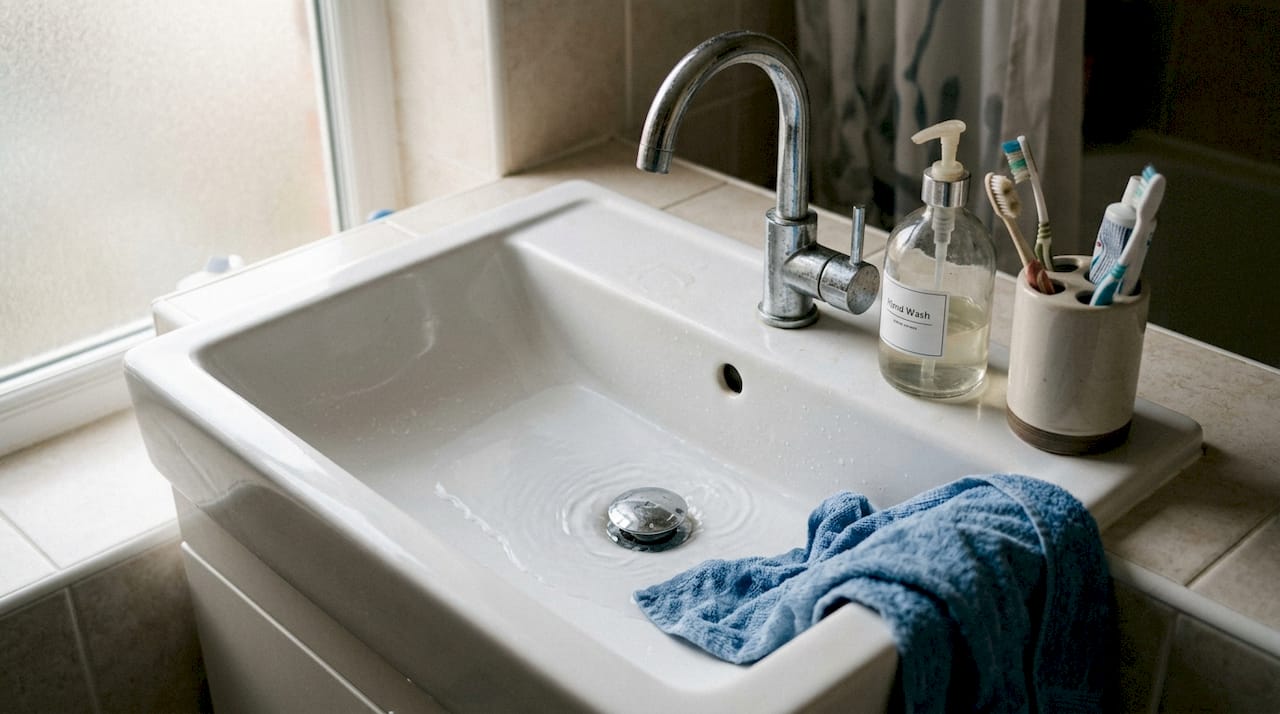
Pro Tip: If you notice two or more of these signs at the same time, do not wait. Booking a CCTV drain survey advice session early gives you a precise diagnosis before the problem worsens.
Understanding these signs is vital, but homeowners also need to know how various symptoms compare when deciding if professional intervention is required.
Comparing warning signs: Which issues demand urgent attention?
Not every symptom requires an emergency call-out, but some absolutely do. The table below helps you prioritise your response based on what you are seeing.
| Warning sign | Urgency level | Consequences if ignored |
|---|---|---|
| Overflowing manhole | Immediate | Sewage flooding, health hazard, structural damage |
| Localised damp patches | High | Mould growth, structural weakening, rising repair costs |
| Persistent foul odours | High | Health risks from sewer gases, worsening pipe damage |
| Slow drainage (multiple rooms) | Medium | Full blockage, pipe collapse, sewage backup |
| Gurgling noises | Medium | Escalating blockage, potential pipe stress |
| Lush garden patches | Medium | Ongoing soil saturation, eventual pipe collapse |
| Frequent minor blockages | Routine | Gradual build-up leading to major blockage |
According to emergency repair guidelines, severe blockages and outdoor overflows indicate urgent drain repairs that should not be delayed. If you are seeing anything in the immediate or high category, contact a specialist the same day.
For medium-urgency issues, you have a short window to arrange an inspection before the situation escalates. Reviewing your drain repair options at this stage can help you understand what the repair process involves and what to expect in terms of cost and timescale.
Having compared symptoms and urgency, let's move on to how homeowners can examine their drains and when to seek professional help.
How to check for drain damage and when to call an expert
There are a few simple checks you can carry out yourself before calling in a professional. These will not replace a proper inspection, but they help you gather useful information.
- Check all your drains at once. Run water in the kitchen, bathroom, and any utility rooms simultaneously. If multiple drains are slow, the problem is likely in the main line.
- Look around your property outside. Check manhole covers for signs of lifting, overflow, or unusual smells. Look for wet patches in the garden that have no obvious cause.
- Inspect visible pipework indoors. Under sinks and around the base of toilets, look for moisture, staining, or any signs of leakage.
- Note when problems occur. Does the gurgling happen only after heavy rain? Does the smell worsen in warm weather? Patterns help a drainage engineer diagnose the issue faster.
What you cannot see is often the bigger problem. Cracks, root intrusion, and pipe misalignment all happen underground where no visual check will find them. This is where drain inspection advice becomes essential. As specialists confirm, CCTV surveys quickly identify hidden damage and blockages that would otherwise go undetected for months.
A CCTV drain survey involves a small camera being fed through your pipework to produce a live video feed of the interior. Engineers can pinpoint the exact location and nature of any damage, which means repairs are targeted and far less disruptive than exploratory digging.
Pro Tip: Before your survey appointment, avoid using strong chemical cleaners for at least 48 hours. They can temporarily mask symptoms and make it harder for the engineer to assess the true condition of your pipes. You can find out more about what to expect when you book a CCTV survey in advance.
If you are based in Berkshire and want local expertise, drain repair in Reading is available from engineers who know the area's specific soil conditions and pipe infrastructure. Accessing professional drain services early means you get accurate advice rather than guesswork.
This brings us to the final decisions and actionable steps homeowners should follow when drain damage signs appear.
Deciding your next steps: Preventing future drain damage
Once you have dealt with an immediate issue, the focus should shift to making sure it does not happen again. Drain problems are rarely one-off events. Without changes to maintenance habits, the same issues tend to return.
Here are the most effective steps for long-term prevention:
- Schedule annual drain inspections. As drain maintenance advice from Thames Water confirms, regular maintenance prevents damage recurrence and keeps your system running efficiently.
- Fit drain guards to all external gullies. These catch leaves, debris, and sediment before they enter the system, particularly important during autumn in Reading.
- Never pour fat or oil down the kitchen sink. Allow it to cool and dispose of it in the bin. This single habit prevents a significant proportion of domestic blockages.
- Be mindful of what goes down toilets. Wet wipes, cotton wool, and sanitary products are among the most common causes of serious blockages, even those labelled as flushable.
- Monitor trees near your drainage runs. If you have large trees in your garden, particularly willows or poplars, have your drains checked every two years as a precaution.
- Act on early warning signs immediately. Use the comparison table above to assess urgency and do not delay on anything rated medium or above.
- Use a local specialist who knows Reading's infrastructure. Local engineers understand the area's clay soils, older pipe materials, and common problem spots, which means faster and more accurate diagnosis.
Keeping on top of drainage maintenance does not require significant time or expense. A small amount of routine attention each year is far less disruptive than dealing with a collapsed drain or sewage backup.
Get professional help for drain damage in Reading and nearby areas
If you have spotted any of the warning signs covered in this guide, the smartest move is to get a professional assessment before the situation escalates. At 777 Drains, we provide rapid-response drainage services across Reading and the surrounding Berkshire area, available 24 hours a day.

Our engineers use modern diagnostic equipment to get to the root of the problem quickly, with minimal disruption to your home or garden. Whether you need expert drainage solutions for a persistent blockage, want to book a CCTV drain survey to check for hidden damage, or require urgent drain repairs in Reading, we are ready to help. Do not wait for a minor symptom to become a costly emergency. Get in touch today and let us give you a clear picture of what is happening beneath the surface.
Frequently asked questions
How can I tell if my drain damage is serious?
Foul odours and repeated blockages are clear signs of serious drain damage that warrant professional assessment rather than DIY fixes. If you are also seeing damp patches or overflowing manholes, treat it as urgent.
Is it safe to use chemical drain cleaners for damaged drains?
Chemical cleaners can worsen damage because corrosive chemicals deteriorate pipes and may mask the symptoms without addressing the underlying cause. If signs persist after one use, call a professional.
What should I do if my manhole is overflowing?
Outdoor overflows signal urgent repair needs and should be treated as an emergency. Avoid using water in the property until a drainage engineer has assessed the situation.
How often should drains be professionally inspected?
Annual inspections prevent damage recurrence for most properties, but if you notice any warning signs between scheduled checks, arrange an inspection sooner rather than waiting for your next annual appointment.