
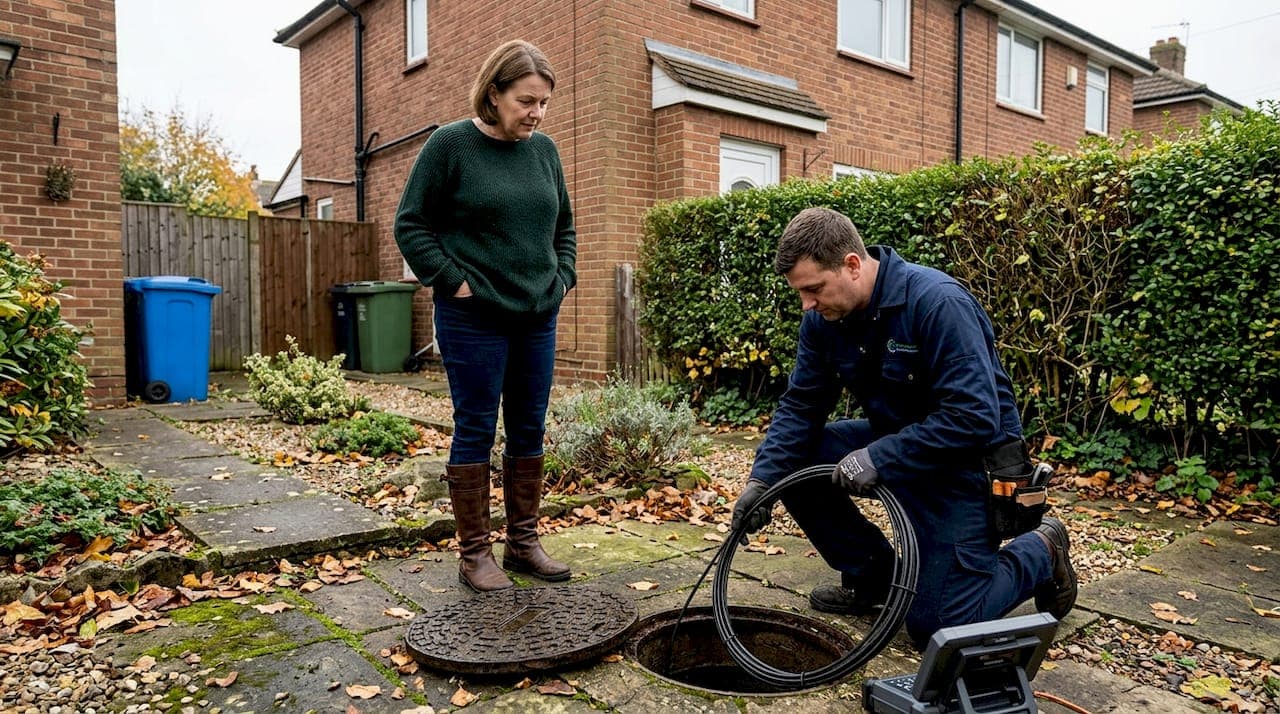
As a UK homeowner, you may wonder how regular drain inspections can protect your home and save money. Drainage issues cause costly repairs and inconvenience, yet many property owners only address problems after serious damage occurs. Regular inspections identify issues early before they escalate into expensive emergencies. This article explores the key advantages of routine drain inspections, helping you understand why preventive maintenance is a smart investment for protecting your property and avoiding disruption to daily life.
Table of Contents
- Key Takeaways
- How to assess the benefits of regular drain inspections
- Top advantages of regular drain inspections for UK homeowners
- Comparison of inspection methods used in modern drain surveys
- Making the decision: when and how often to schedule regular drain inspections
- Discover professional drain inspection services
- FAQ
Key Takeaways
| Point | Details |
|---|---|
| Early problem detection | Regular drain inspections catch issues before they become costly emergencies. |
| Non invasive CCTV surveys | Modern CCTV drain surveys use high definition cameras with AI assisted defect coding to provide precise diagnostics. |
| Cost savings through prevention | Preventive inspections can save thousands of pounds by avoiding emergency repairs. |
| Extending drainage lifespan | Regular inspections enable timely maintenance and targeted repairs to keep the system functioning for decades. |
How to assess the benefits of regular drain inspections
When evaluating regular drain inspections, several critical criteria determine their value for UK homeowners. Cost savings stand as the primary consideration, with preventive CCTV inspections saving homeowners thousands in costly repairs by detecting recurring issues early. Early problem detection ranks equally important, as identifying blockages, cracks, or root intrusion before they worsen prevents extensive damage and emergency call-outs.
Technology accuracy significantly impacts inspection effectiveness. Modern CCTV drain surveys use high-definition cameras with AI-assisted defect coding, providing precise diagnostics that traditional methods cannot match. The non-invasive nature of camera inspections means no excavation or property disruption, making them ideal for residential properties where minimising damage is essential.
Warranty and guarantee length also matter when choosing inspection services. Reputable providers offer comprehensive reports with detailed visual evidence, giving you confidence in the findings and recommended actions. Suitability for UK homes depends on pipe size and accessibility, with push-rod cameras handling typical residential drainage systems effectively.
Consider these key assessment criteria:
- Cost comparison between preventive inspections and emergency repairs
- Detection accuracy of modern CCTV technology versus traditional methods
- Non-invasive approach that avoids excavation and property damage
- Comprehensive reporting with HD video and defect analysis
- Service provider reputation and guarantee terms
Pro Tip: Schedule inspections especially before purchasing a property or if experiencing recurring drainage problems. A pre-purchase survey reveals hidden issues that could cost thousands to repair, giving you negotiating power or helping you avoid a problematic property altogether.
Understanding these criteria helps evaluate the main advantages of regular drain inspections we will explore next.
Top advantages of regular drain inspections for UK homeowners
Regular drain inspections deliver substantial benefits that protect your property and finances. Early problem detection stands as the most significant advantage, preventing blockages, collapses, and backups that can cost thousands of pounds to repair. When inspections identify minor cracks or root intrusion early, simple repairs prevent catastrophic failures that require extensive excavation and pipe replacement.
Detailed reporting provides another crucial benefit. Modern inspections generate comprehensive reports including HD video footage, inclinometer data showing pipe gradients, and AI-coded defect analysis. These reports help you understand exact pipe condition and required actions, eliminating guesswork and enabling informed decisions about maintenance priorities.
Extending drainage system lifespan represents a long-term financial advantage. Regular inspections allow timely maintenance and targeted repairs that keep your system functioning optimally for decades. A London commercial complex reduced complaints by 80% and avoided costly lining repairs through regular CCTV drain inspections, demonstrating the preventive value for both commercial and residential properties.
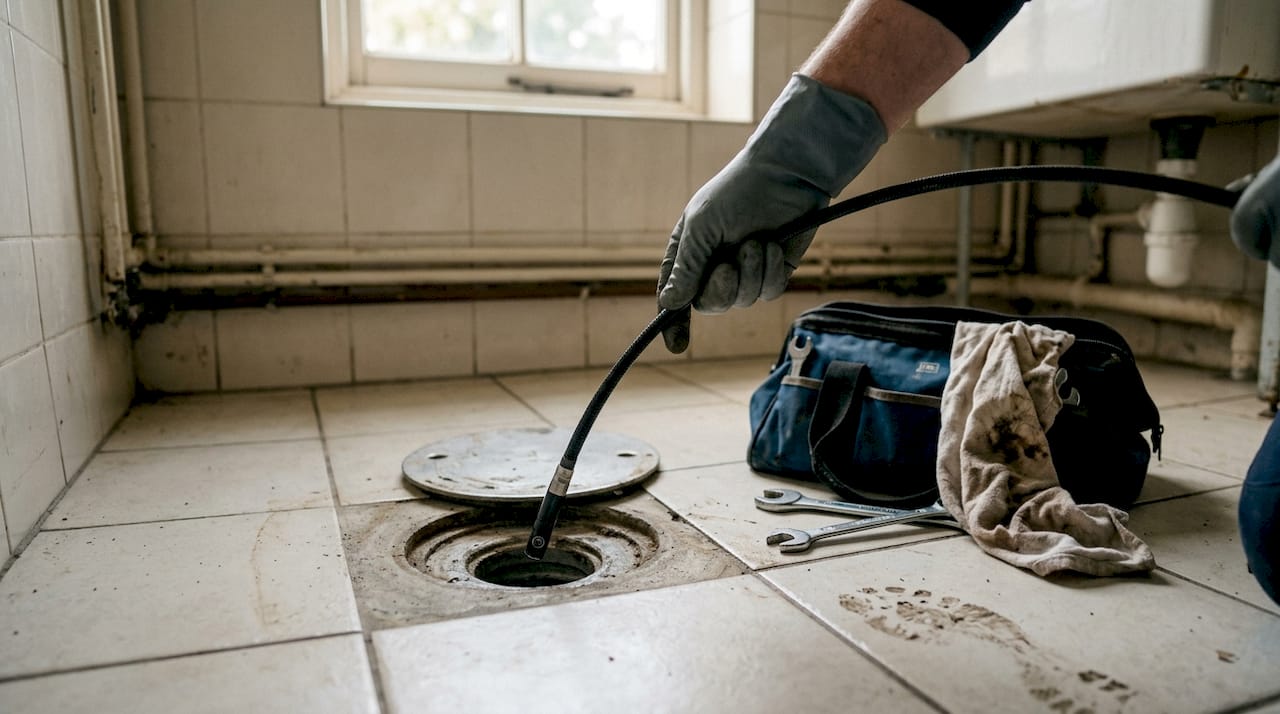
Preventing recurring drainage issues protects your quality of life. Repeated blockages cause frustration, property damage, and health hazards from sewage backups. Inspections identify root causes like pipe misalignment, structural defects, or persistent build-ups, enabling permanent solutions rather than temporary fixes.
Documented condition reports prove invaluable during property transactions. Sellers can demonstrate well-maintained drainage systems, whilst buyers gain transparency about potential issues before committing to purchase. This documentation protects both parties and facilitates smoother property sales.
Key advantages include:
- Detecting problems early saves £1,000s in emergency repair costs
- HD video evidence and defect coding provide precise diagnostics
- Timely maintenance extends system lifespan by decades
- Identifying root causes eliminates recurring blockages permanently
- Condition reports support property sales and purchases with transparency
Pro Tip: Combine inspections with maintenance services through your drainage services provider to maximise value and system longevity. Scheduling cleaning or minor repairs immediately after inspection findings ensures problems get resolved before they worsen, saving you multiple call-out fees and preventing damage escalation.
With these top advantages clear, it's helpful to compare inspection methods and their distinct benefits.
Comparison of inspection methods used in modern drain surveys
Modern drain inspections employ different camera technologies suited to specific pipe sizes and conditions. Push-rod cameras handle pipes 100-225mm in diameter, covering typical residential drainage systems effectively. These flexible rod-mounted cameras navigate bends and junctions, providing clear HD footage of pipe interiors without requiring excavation or access at multiple points.
Crawler cameras serve larger diameter pipes and commercial systems. These motorised units travel independently through pipes, offering superior manoeuvrability in bigger drainage networks. They capture detailed footage whilst traversing long distances, making them ideal for comprehensive surveys of extensive systems.
Both methods produce detailed reports with visual evidence, inclinometer readings showing pipe gradients, and AI-based defect coding that categorises issues by severity and type. This standardised reporting enables precise diagnosis and helps prioritise repairs based on urgency and potential impact.
| Inspection Method | Pipe Size | Advantages | Limitations | Ideal Use |
|---|---|---|---|---|
| Push-rod camera | 100-225mm | Non-invasive, flexible navigation, suitable for most homes | Limited to smaller pipes | Residential properties, standard drainage |
| Crawler camera | 225mm+ | Independent mobility, long-distance travel, detailed scouting | Requires larger access points | Commercial systems, large diameter pipes |
| AI-assisted analysis | All sizes | Standardised defect coding, objective assessment, comprehensive reporting | Requires modern equipment | All professional inspections |
Key features of modern CCTV drain surveys include:
- Non-invasive access through existing manholes or access points
- HD video recording with timestamp and location data
- Inclinometer readings identifying gradient problems
- AI-assisted defect coding for objective severity assessment
- Comprehensive reports with visual evidence and recommendations
The choice between inspection methods depends on your property's drainage system characteristics. Most residential properties benefit from push-rod camera inspections, whilst larger or commercial systems may require crawler technology for complete assessment. Professional drainage specialists assess your specific needs and deploy appropriate equipment for thorough inspection.
Understanding these methods clarifies which inspection type best fits your home's drainage needs.
Making the decision: when and how often to schedule regular drain inspections
Determining optimal inspection timing and frequency ensures you maximise preventive benefits whilst managing costs effectively. Several factors influence the ideal schedule for your property, including age, drainage history, soil conditions, and environmental factors like nearby trees.
Follow this step-by-step guidance for choosing inspection timing:
- Schedule an inspection immediately upon purchasing a home to establish baseline condition and identify any hidden issues the previous owner may not have disclosed.
- Arrange follow-up inspections after any drainage repairs to verify work quality and ensure problems were resolved completely.
- Implement annual inspections if your property experiences recurring drainage issues, as frequent problems indicate underlying defects requiring attention.
- Maintain preventive inspections every two to three years for properties without active problems, catching developing issues before they cause damage.
- Increase inspection frequency if your property sits in clay soil areas, has mature trees nearby, or shows signs of ground movement that could affect drainage integrity.
Property age significantly affects inspection needs. Older homes with original drainage systems benefit from more frequent monitoring, as pipes deteriorate over time and older materials like clay or cast iron prove more vulnerable to damage. Modern plastic pipes generally require less frequent inspection unless specific problems arise.
Drainage history provides crucial guidance. Properties with past blockages, root intrusion, or structural repairs need closer monitoring to prevent recurrence. Homeowners benefit most by scheduling surveys before purchase and regularly if recurring issues arise to prevent major repair costs.
Soil conditions impact drainage stability. Clay soils expand and contract with moisture changes, potentially shifting or cracking pipes. Properties in such areas warrant more frequent inspections to detect movement-related damage early.
Environmental factors like tree proximity require consideration. Tree roots naturally seek water sources and can infiltrate drainage pipes through tiny cracks, causing blockages and structural damage. Properties with mature trees within 10 metres of drainage lines benefit from annual inspections.
Pro Tip: Keep records of all inspection reports to monitor pipe condition trends over years. Comparing reports reveals deterioration patterns and helps predict when repairs or replacements become necessary, enabling you to budget accordingly and avoid emergency situations.
Inspections timed smartly reduce risk of emergency blockages and prolong system reliability, protecting your property investment and ensuring uninterrupted drainage function.
Knowing when and how often to inspect completes your knowledge to safeguard your home's drainage effectively.
Discover professional drain inspection services
Protecting your home's drainage system requires expert inspection services that combine modern technology with experienced analysis. Regular inspections identify hidden issues early, helping you avoid costly emergency repairs and property damage that disrupt your daily life.

777 Drains offers comprehensive CCTV drain surveys and professional drainage services tailored for UK homeowners across Oxford, Reading, Newbury, and wider regions. Our experienced engineers use advanced camera technology and AI-assisted diagnostics to deliver detailed condition reports that empower informed maintenance decisions. With 24hr response availability, we provide both preventive inspections and emergency support whenever drainage issues arise. Schedule your inspection online today to protect your property investment and maintain reliable drainage performance for years to come.
FAQ
How often should I have my drains inspected?
Most homeowners should arrange inspections every one to three years depending on property age and drainage history. Properties with recurring problems benefit from annual inspections to monitor condition and prevent issues. Pre-purchase inspections are highly recommended to identify hidden defects before committing to a property purchase.
What does a drain inspection involve?
A non-invasive camera is inserted through existing access points to inspect pipe condition in detail using HD video and defect coding. The process generates comprehensive reports with visual evidence, inclinometer readings, and AI-assisted analysis for precise diagnosis. Professional CCTV drain surveys typically complete within hours and require no excavation or property disruption.
How can regular inspections save me money?
Detecting problems early avoids emergency repairs that can cost thousands of pounds for excavation and pipe replacement. Inspections identify minor issues like small cracks or early-stage blockages when simple repairs suffice, preventing damage escalation. This preventive approach reduces inconvenience and protects your property value whilst minimising total maintenance costs over time.
Can inspections prevent drainage blockages?
Regular inspections identify build-ups, root intrusion, and structural defects that cause blockages if left untreated. Early detection enables timely maintenance such as professional cleaning or targeted repairs that maintain smooth drainage flow. By addressing root causes rather than symptoms, inspections help eliminate recurring blockages that disrupt your household and require repeated emergency call-outs.