
TL;DR:
- Most household drain blockages in the UK are caused by FOG and non-flushable items, which are preventable.
- Consistent habits like avoiding fats, installing strainers, and regular cleaning can significantly reduce drainage issues.
- Professional inspections, such as CCTV surveys, are essential for identifying hidden pipe problems early and avoiding costly repairs.
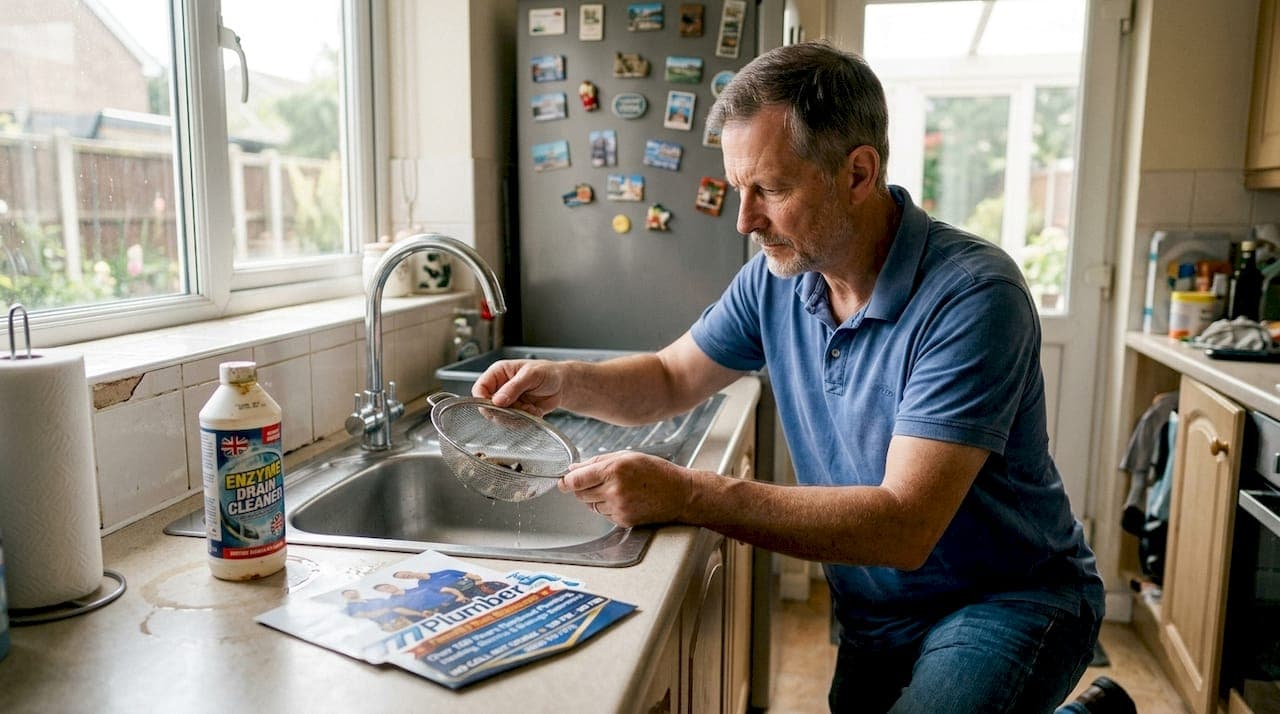
UK drains take a beating every single day, and most homeowners never think about them until something goes badly wrong. 280,000 to 300,000 drain blockages hit British properties every year, costing the country over £100 million in repairs and call-outs. The truth is, the vast majority of those incidents were preventable. What you pour down your sink, what you flush away, and how often you check your outside drains all add up over time. This guide covers the practical, no-nonsense steps every UK homeowner can take to protect their drainage system and avoid those eye-watering repair bills.
Table of Contents
- Understanding what shortens drain lifespan
- Essential preventative habits for every homeowner
- Best products and tools to protect household drains
- Routine maintenance: Your annual and monthly schedule
- Why DIY alone isn't enough: The hidden value of expert support
- Get support for lasting drain health
- Frequently asked questions
Key Takeaways
| Point | Details |
|---|---|
| Stop FOG and wipes | Never pour fat, oil, grease or flush wipes—these cause most UK blockages. |
| Use strainers and routine care | Simple tools and regular cleaning make a big difference to drain life. |
| Smart product choices | Enzyme cleaners protect pipes better than harsh chemicals. |
| Combine DIY and expert checks | Mix weekly DIY and annual professional inspections for best results. |
Understanding what shortens drain lifespan
Most people assume drains just wear out over time, as if age alone is the culprit. In reality, the damage comes from what flows through them daily. Understanding these causes is the first step to stopping them.
The two biggest offenders in UK homes are FOG (fat, oil, and grease) and non-flushable items. FOG accounts for 37.5% of UK drain blockages, while non-flushables such as wet wipes, cotton pads, and sanitary products cause between 33% and 55% of incidents. That's an enormous share of the problem, and both causes come directly from household habits.
Here's a breakdown of what damages drains most:
- Fat, oil, and grease (FOG): These cool and solidify inside pipes, building up layer by layer until water can barely pass through.
- Non-flushable items: Wet wipes, even those labelled "flushable," don't break down like toilet paper and snag on rough pipe walls.
- Tree root intrusion: Roots seek moisture and exploit hairline cracks, eventually breaking pipes from the inside.
- Pipe scale and corrosion: Hard water deposits (common across southern England) build up over years, narrowing the internal bore of older metal pipes.
- Misaligned joints: Ground movement, frost, and vehicle weight can shift pipe sections out of alignment, causing snagging and slow drainage.
It's worth seeing the scale of different causes side by side:
| Cause | Estimated share of blockages | Preventable by homeowner? |
|---|---|---|
| FOG (fat, oil, grease) | 37.5% | Yes |
| Non-flushable items | 33–55% | Yes |
| Root intrusion | 5–10% | Partially |
| Pipe scale and corrosion | 5–10% | Partially |
| Structural defects | Remainder | No (needs pro) |
Chemical corrosion is another factor people overlook. Using harsh drain cleaners repeatedly strips protective coatings from older pipes and can soften plastic joints. The damage is invisible at first but accumulates fast. You'll find further drainage advice on spotting early warning signs before they escalate into full failures.
Now you understand why drains commonly fail, let's look at actionable prevention.
Essential preventative habits for every homeowner
Good drain health doesn't require expensive products or specialist knowledge. It requires consistent habits. Over 80% of blockages can be prevented through a combination of sensible daily practices and occasional professional maintenance.
Here are the most impactful habits to build into your routine:
- Never pour FOG down the sink. Let cooking fat cool in the pan, then wipe it into the bin with kitchen roll. Even small amounts accumulate inside pipes over weeks.
- Install mesh strainers on all plug holes. Kitchen sinks collect food debris; shower and bath drains catch hair and soap scum. A simple strainer catches both before they cause trouble.
- Flush only toilet paper and human waste. That includes so-called flushable wipes, cotton buds, and sanitary items. None of them break down quickly enough to pass safely through UK drainage systems.
- Run hot water through kitchen drains weekly. A kettle of hot (not boiling) water helps shift any grease residue clinging to pipe walls before it has a chance to set.
- Clear outside drains monthly. Leaves, moss, and garden debris build up over the autumn and winter months. Lifting the drain cover and removing debris takes two minutes and prevents serious overflow.
- Check gutter downpipes after storms. Blockages here push water back into the roof space and foundations, which is a far costlier fix than clearing a gutter.
"The difference between a £50 call-out and a £1,500 repair often comes down to one thing: how long a small problem was left unattended."
Pro Tip: Fit strainers in your kitchen sink, bathroom basin, and shower tray as a priority. Hair blockages in shower drains are one of the most common reasons people call professional drainage maintenance, and a 50p strainer eliminates that risk entirely.
If you do notice slow drainage despite good habits, act quickly. Leaving it even a few weeks can turn a partial blockage into a complete one. Knowing what to do if blocked early on can save you significant time and money.
With solid habits in place, you can avoid most of the common pitfalls. But which products help most?
Best products and tools to protect household drains
The right tools make maintenance easier and more effective. You don't need a cupboard full of specialist products, just a few well-chosen items used correctly.
Mesh strainers are the single most cost-effective drain protector available. Look for stainless steel versions with fine perforations rather than plastic ones, which can warp and allow debris through over time.
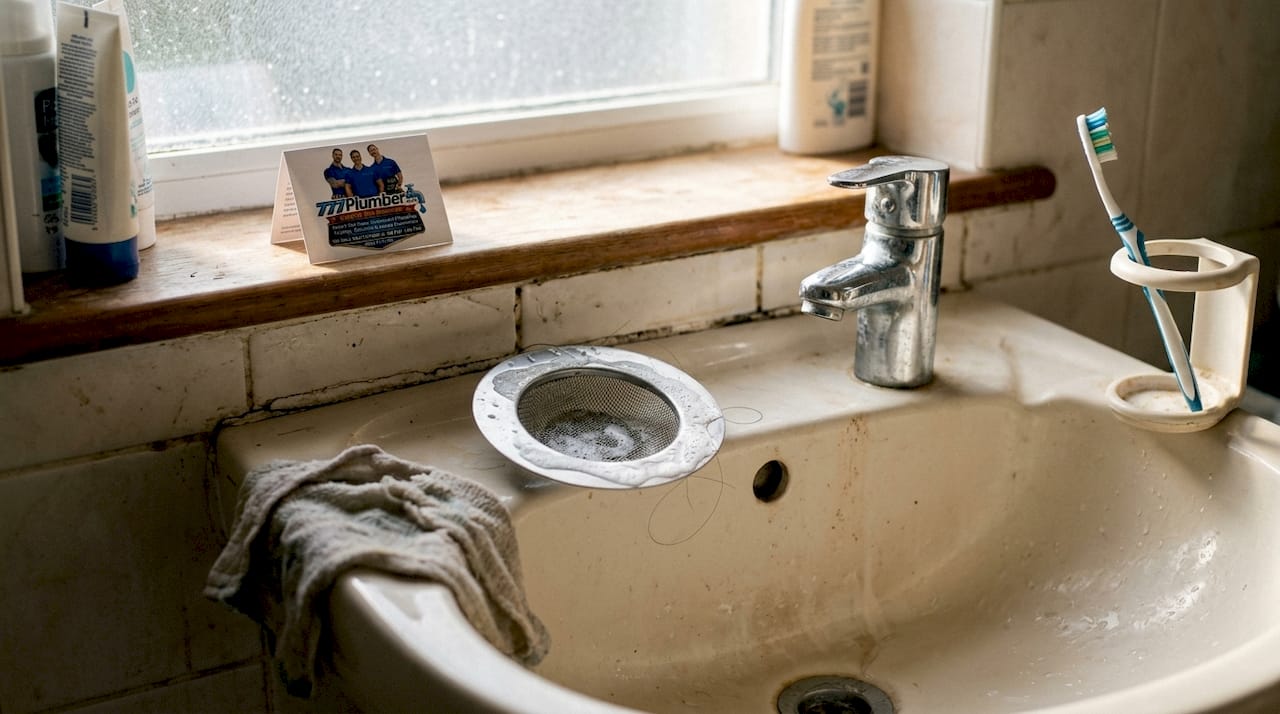
Enzymatic drain cleaners work by introducing live bacteria that digest organic matter such as grease, soap, and food residue naturally. They're slower than chemical alternatives (usually 6 to 8 hours overnight) but safe for all pipe materials and genuinely effective as a monthly treatment.
Chemical unblockers such as caustic soda-based products cut through blockages fast. However, DIY chemical cleaners risk long-term pipe damage and should be treated as a last resort, not a regular fix.
Drain rods are useful for shifting blockages in outside drains and inspection chambers. They're inexpensive and available from most DIY retailers. A basic set is worth keeping in the garage for emergencies.
Here's a practical comparison of the main options:
| Product | Approximate cost | Safety for pipes | Best use |
|---|---|---|---|
| Mesh strainer | £2–£8 | Excellent | Daily prevention |
| Enzyme cleaner | £8–£15 | Excellent | Monthly treatment |
| Chemical unblocker | £5–£12 | Poor (long-term) | One-off emergencies |
| Drain rods | £15–£40 | Good (if used carefully) | Outside drain blockages |
- Enzyme cleaners: Safe for septic tanks, eco-friendly, work overnight
- Chemical cleaners: Fast-acting, but can corrode older pipes and damage seals
- Drain rods: Effective for solid debris, but can damage pipe joints if forced
Pro Tip: Pour enzyme cleaner into your kitchen and bathroom drains last thing at night. The liquid sits undisturbed for hours, giving the bacteria time to work. Rinse through with warm water in the morning for best results.
If you're not sure what's happening inside older pipework, a home drain survey gives you a precise picture before any expensive product or repair is needed.
Even with top products, nothing beats routine maintenance. Here's how to set up the best schedule.
Routine maintenance: Your annual and monthly schedule
A maintenance calendar turns good intentions into consistent action. The key is making tasks small enough that none of them feel like a chore.
- Weekly: Run hot water through kitchen and bathroom sinks for 60 seconds. Check that strainers are clean and seated properly.
- Monthly: Pour enzyme cleaner into all household drains. Clear debris from outside gully drains. Check gutter downpipes for blockages or overflow marks.
- Every 6 months: Lift outside drain covers and inspect for debris build-up, root growth, or standing water. Check the soil around downpipes for signs of leakage.
- Annually: Book a professional drain clean and, for older properties, a CCTV inspection to assess pipe condition from the inside.
Weekly and monthly DIY maintenance combined with an annual professional check is widely regarded as the optimal approach for UK households.
| Frequency | Task | DIY or professional? |
|---|---|---|
| Weekly | Hot water flush, clean strainers | DIY |
| Monthly | Enzyme treatment, outside drain check | DIY |
| Every 6 months | Inspect drain covers, check downpipes | DIY |
| Annually | Professional clean, CCTV survey | Professional |
Pro Tip: Set a recurring reminder on your phone for the first day of each month as your "drain day." A five-minute walk around the outside of your property checking gullies and covers takes no time but catches problems early.
An annual check by professionals is especially important for homes built before 1980, where clay or cast iron pipes are more vulnerable to root intrusion and corrosion. If you're dealing with persistent blockages, it's a strong signal that a deeper issue is developing underground.
Routine checks provide peace of mind, but what if you miss a sign or want expert help?
Why DIY alone isn't enough: The hidden value of expert support
DIY maintenance is genuinely effective. It prevents the majority of blockages and keeps pipes in reasonable condition for years. But it has a ceiling.
The honest truth is that what happens inside your pipes beyond the first metre or two is largely invisible to you. A slow drain might be a greasy buildup near the plughole, or it might be a root intrusion 10 metres down the line. The symptoms look identical. Your enzyme cleaner and hot water rinse won't touch the second problem.
Neglecting minor drainage issues escalates them quickly into serious and costly crises. A hairline crack in a pipe joint, left undetected, allows root growth. That root growth, left untreated, can collapse a pipe entirely within a couple of seasons.
Modern CCTV surveys change this equation entirely. A camera passed through your drainage system gives engineers a live view of pipe condition, joint alignment, and any developing faults. Problems caught at the "hairline crack" stage cost a fraction of what a full pipe collapse does. The specialist drainage services now available mean you don't have to guess what's happening underground. You get evidence, a diagnosis, and a clear plan. That's a very different position to be in than waiting for the floor to start smelling.
Get support for lasting drain health
You've now got a solid framework for protecting your drains through daily habits, the right products, and a sensible maintenance schedule. The next step is making sure the parts you can't see are just as healthy as the parts you can.

At 777 Drains, we make it easy to book drainage maintenance or a CCTV drain check with no fuss and no long waits. Whether you want a routine annual inspection or need urgent help with a stubborn blockage, our engineers are available 24/7 across the UK. Visit 777Drains.co.uk to book or get advice from our team today.
Frequently asked questions
What is the main cause of household drain blockages in the UK?
FOG and non-flushables are responsible for the vast majority of UK drain blockages, with fat, oil, and grease alone accounting for 37.5% of incidents. Avoiding both significantly reduces your risk.
How often should I clean my household drains?
Weekly and monthly DIY cleaning combined with an annual professional inspection is the recommended approach for most UK homes. This catches both surface-level buildup and deeper developing issues.
Are chemical drain cleaners safe for long-term use?
Harsh chemical drain cleaners may clear a blockage quickly but risk corroding older pipes and damaging rubber seals over time. Enzyme-based treatments are a far safer option for regular monthly use.
Is a CCTV survey worth it for older drains?
Yes. Annual CCTV inspections are strongly recommended for properties with older pipework, as they reveal hidden cracks, root intrusion, and misaligned joints before they become expensive structural failures.