
TL;DR:
- Properly maintained drain covers prevent debris entry and reduce costly blockages.
- They enhance safety by preventing falls and trip hazards around open drains.
- Regular inspection and timely replacement extend drain system lifespan and avoid expensive repairs.
Most homeowners give their drain covers about as much thought as they give their doorstep. They're just there, aren't they? But thousands of costly drainage emergencies across the UK start not deep underground, but right at the surface, where a neglected or poorly fitted drain cover has quietly allowed debris, pests, and damage to take hold. Drain covers are protective grates or lids over drain openings that prevent debris entry while allowing water to flow freely, reducing clogs and protecting your plumbing. This guide covers everything you need to know: safety, blockage prevention, material choices, and simple maintenance steps that can save you hundreds of pounds.
Table of Contents
- What are drain covers and why do they matter?
- Preventing blockages: The hidden cost-saver
- Enhancing safety in and around your home
- Choosing the right drain cover: Material, design, and maintenance
- Practical steps: Caring for your drain covers
- Why the humble drain cover deserves more respect
- Get expert help with drain covers and maintenance
- Frequently asked questions
Key Takeaways
| Point | Details |
|---|---|
| Blockage prevention | Drain covers stop leaves, fat, and debris from blocking your drains, saving money and hassle. |
| Essential home safety | Good covers reduce fall and accident risks for families, pets, and visitors. |
| Smart material choices | Choosing and maintaining the right cover extends your system’s life and saves on costly repairs. |
| Regular maintenance matters | Checking and cleaning covers regularly can prevent most drainage emergencies before they start. |
What are drain covers and why do they matter?
A drain cover is the grate or lid you see sitting over a drain opening, whether on your driveway, patio, garden, or inside your home near a shower or utility area. Their job sounds simple: let water in, keep everything else out. But that straightforward function carries a surprising amount of weight when it comes to protecting your property.
At their core, drain covers prevent debris entry while allowing water to flow through freely, which directly reduces clogs and protects the plumbing beneath. Without them, leaves, soil, litter, and even small animals can enter the drainage system and cause serious problems further down the line. The result is often a blocked drain that costs far more to fix than any cover ever would.
Many homeowners overlook drain covers entirely. They're not glamorous, they don't announce themselves, and they rarely cause obvious problems until something goes wrong. That's exactly the issue. By the time a cover fails, the damage is already building up underground, and domestic drain blockages can quickly escalate into flooded gardens, foul smells, or backed-up sinks.
Here's a quick look at what well-maintained drain covers actually do for your home:
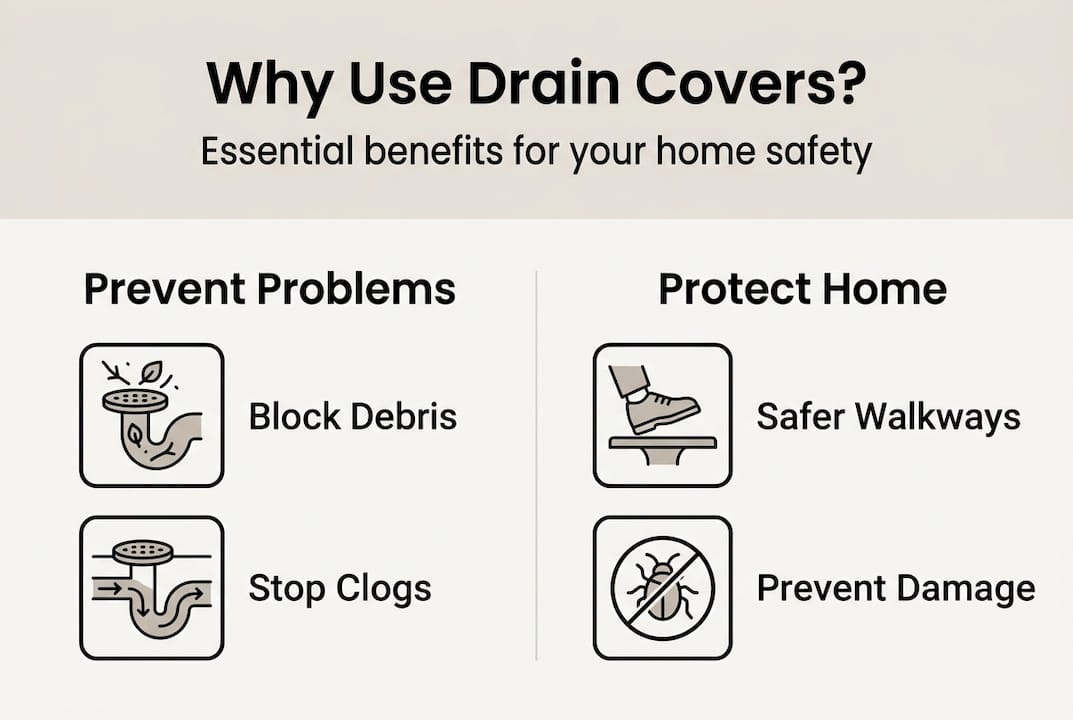
- Improve safety by covering open drain holes that could cause trips or falls
- Reduce blockages by filtering out leaves, silt, and debris before they enter the system
- Lower repair costs by preventing avoidable damage to pipes and drainage infrastructure
- Deter pests such as rats and insects that use open drains as entry points
- Protect water quality by stopping surface contaminants from entering the drainage network
"A properly fitted drain cover is one of the most cost-effective forms of home maintenance available. It does its job silently, every single day, and most homeowners never notice it until it stops working."
That silence is both their strength and the reason they get neglected. Understanding what they do is the first step to making sure yours are actually working.
Preventing blockages: The hidden cost-saver
Blockages are the most common and most expensive drainage problem UK homeowners face. What most people don't realise is how many of them start at the surface, not deep in the pipes. A drain cover in good condition acts as your first line of defence, catching debris before it ever enters the system.
UK drainage data makes this very clear. 37.5% of blockages stem from fat, oil, and grease (FOG), while 33.3% come from flushed items that should never have entered the drain at all. Many of these situations are made worse when covers are damaged, missing, or clogged themselves, allowing additional debris to compound the problem.
A drain cover that's regularly cleared stops the cycle before it starts. Think of it like a filter in a coffee machine. If you never clean the filter, the machine struggles, slows down, and eventually stops working. Your drain is no different. Understanding how items like FOG cause blockages helps explain why even a small amount of grease, combined with a debris-clogged cover, can trigger a full blockage.
| Common blockage source | How a drain cover helps |
|---|---|
| Autumn leaves | Catches them before they compact in pipes |
| Soil and silt | Filters fine particles during heavy rain |
| Fat, oil, and grease | Reduces surface runoff entering the system |
| Litter and packaging | Physically blocks entry to the drain |
| Hair and soap scum | Traps buildup at the cover rather than the pipe |
Watch for these signs that your drain cover may already be contributing to a problem:
- Water pooling around the drain rather than flowing through
- A gurgling sound when water drains nearby
- Slow drainage in sinks, showers, or outdoor gullies
- Visible debris sitting on or around the cover
- Unpleasant smells near the drain opening
Pro Tip: Clear your drain covers every time you notice leaves or debris collecting on them, not just when there's a problem. Preventive drain cover maintenance takes five minutes and can prevent a repair bill that runs into hundreds of pounds.
Enhancing safety in and around your home
Blockage prevention is only part of the story. Drain covers also play a direct role in keeping your household safe, and this is where many homeowners are genuinely surprised by the risks they've been living with.
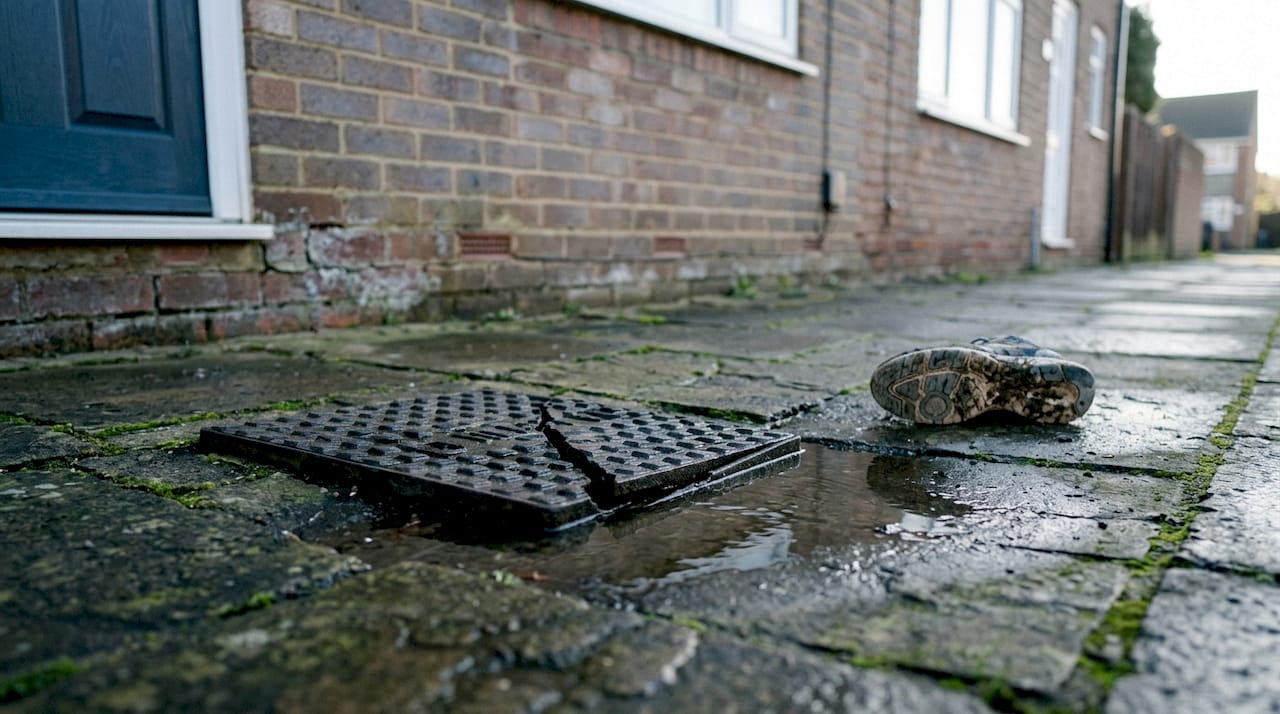
An uncovered or damaged drain is a genuine hazard. Drain covers prevent falls into open drains, which is especially important in homes with children, pets, or elderly residents. A small child or a dog can easily catch a foot or paw in an open drain, and an elderly person stepping on a cracked or missing cover faces a real trip hazard.
Here's how a properly fitted cover protects the people around your home:
- Protects children and pets from falling into or getting limbs caught in open drain openings, particularly in gardens and driveways
- Prevents trip hazards by providing a stable, flush surface that doesn't shift underfoot or create uneven ground
- Secures driveways and walkways by maintaining a consistent surface level, especially important in areas with heavy foot traffic or vehicles
Consider this scenario: a family replaces their patio but doesn't update the old, slightly sunken drain cover nearby. Over one winter, the cover shifts further. A visiting relative catches their heel on the raised edge and falls. It's a completely avoidable accident, and one that accident risks from uncovered drains show are far more common than most people expect.
The safety risk also extends to structural damage. An open or broken drain can allow surface water to erode the ground around it, creating a soft spot or subsidence beneath your path or driveway. What starts as a cosmetic issue becomes a structural one surprisingly quickly, particularly during wet winters.
Fitting a cover that's the right size, material, and load rating for its location is not an optional extra. It's basic property maintenance with a direct impact on the safety of everyone who uses your home.
Choosing the right drain cover: Material, design, and maintenance
Not all drain covers are created equal, and choosing the wrong one for your situation can mean it fails faster, copes poorly with weight, or simply doesn't filter debris effectively. The good news is that the options are straightforward once you know what to look for.
The three most common materials are cast iron, composite, and plastic. Each has its place depending on where the drain is located and how much use it gets.
| Material | Cost | Longevity | Load strength | Best use |
|---|---|---|---|---|
| Cast iron | Higher | 20+ years | Very high | Driveways, heavy traffic areas |
| Composite | Mid-range | 15+ years | High | Patios, paths, light vehicles |
| Plastic | Lower | 5-10 years | Low | Indoor use, light garden areas |
For most residential driveways, a composite or cast iron cover is the sensible choice. Plastic covers are fine for indoor drains or low-traffic garden areas, but they crack under vehicle weight and degrade faster in UV light. Reviewing types of residential drain covers can help you match the right specification to your specific situation.
Pro Tip: If your drain cover is in or near a driveway, always check the load rating before buying. A cover rated for pedestrian use only will crack under a car, creating a safety hazard and a repair job in one go. Visit the drain cover maintenance tips section for guidance on what to look for.
Design matters too. Covers with smaller apertures filter debris more effectively but may need more frequent clearing. Covers with anti-slip surfaces are worth the small extra cost in areas prone to wet conditions. And always check that a replacement cover sits flush with the surrounding surface. A raised edge is a trip hazard; a sunken cover collects standing water.
Maintaining your cover is straightforward. Lift it seasonally, clear any debris from the gully below, check for cracks or corrosion, and replace any cover that no longer sits flush or has structural damage. Preventive maintenance extends the life of your entire drainage system significantly.
Practical steps: Caring for your drain covers
Knowing which cover to use is only half the job. Keeping it working is where most homeowners fall short, usually because they wait until there's a visible problem before taking action.
Regular maintenance is genuinely simple and takes very little time. 37.5% of blockages from FOG and flushed items are mitigated by covers that are kept clear and in good condition. That statistic alone makes the case for a five-minute seasonal check.
Follow these steps to keep your drain covers in good shape:
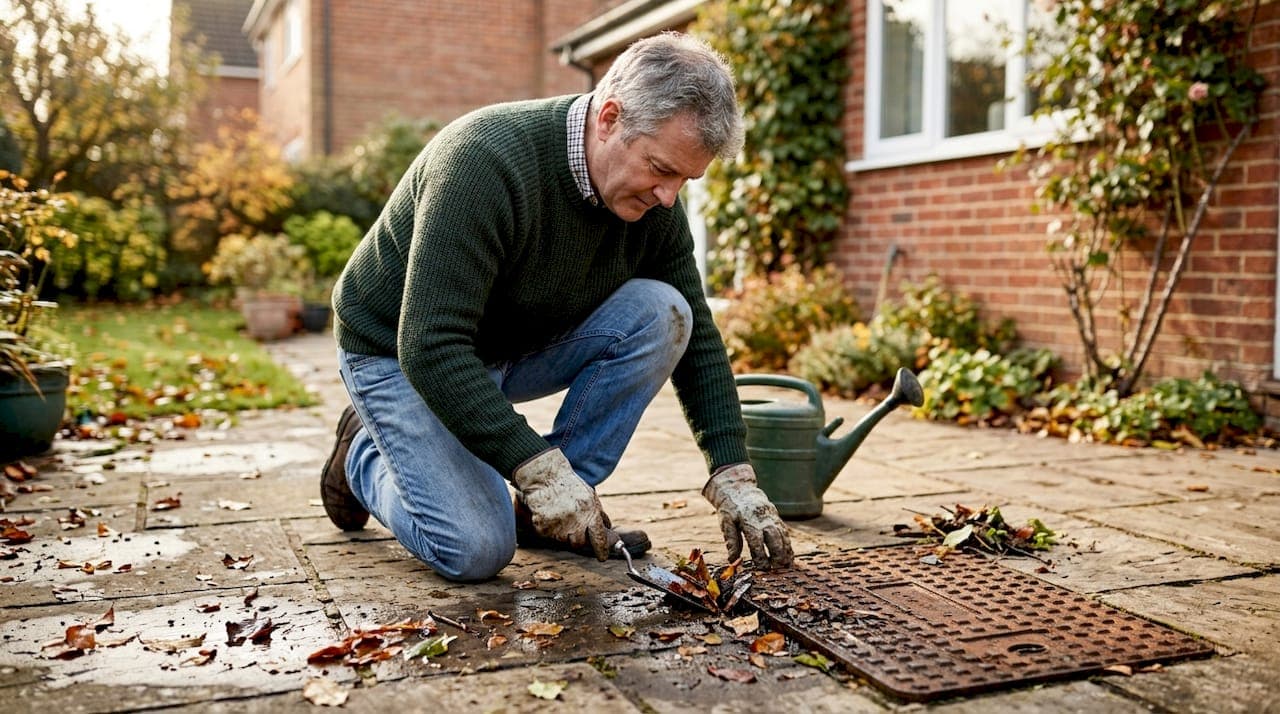
- Lift the cover carefully using a flat-head tool or drain key. Never force it; a cover that's stuck may have debris or corrosion around the frame
- Clear the gully below using a gloved hand or a small trowel. Remove leaves, silt, and any compacted debris
- Rinse with water to flush loose material through the drain. Avoid harsh chemicals that can damage pipe seals
- Inspect the cover itself for cracks, warping, or corrosion. Check that it sits flush when replaced
- Replace the cover firmly ensuring it's fully seated in the frame and doesn't rock or shift underfoot
Watch for these signs that your cover needs attention sooner rather than later:
- Visible cracks or broken sections in the cover
- Rust or significant corrosion on metal covers
- A cover that rocks or shifts when stepped on
- Standing water that doesn't clear within a few minutes of rain stopping
- Foul odours near the drain even when it appears clear
The most common mistakes are forcing a stuck cover (which can damage the frame), using bleach or strong chemicals that corrode seals, and ignoring a slightly sunken or raised cover because it "seems fine." Avoiding major household plumbing expenses often comes down to catching these small issues before they become big ones.
Why the humble drain cover deserves more respect
After years of responding to drainage emergencies, one pattern stands out clearly. The majority of callouts that could have been avoided share a common starting point: a drain cover that was either neglected, damaged, or simply wrong for its location.
Homeowners consistently underinvest in covers because they don't feel like a priority. They're not visible in the same way a leaking tap or a cracked tile is. But the consequences of ignoring them are often far more expensive than any of those more obvious problems.
The uncomfortable truth is that preventive drain cover maintenance costs almost nothing compared to the emergency callout, pipe repair, or structural work that follows when covers are left to deteriorate. Small, regular actions, a seasonal lift and clear, a quick visual check after a storm, genuinely prevent the majority of problems we're called out to fix.
Conventional wisdom says drainage problems are underground issues requiring specialist equipment to solve. Often, they're surface issues that started with a blocked or broken cover and were simply left too long. Respecting that small piece of metal or composite is one of the most practical things a homeowner can do.
Get expert help with drain covers and maintenance
If you're unsure whether your drain covers are up to the job, or you've already noticed the warning signs of a developing blockage, getting professional advice early is always the smarter move.

At 777 Drains, our engineers assess your drainage setup quickly and recommend practical solutions that prevent problems before they escalate. From drainage services including unblocking and repairs, to CCTV drain surveys that reveal what's happening beneath the surface, we give you a clear picture and a clear plan. Whether you're in need of routine maintenance or urgent support, our team covers residential properties across the region, including Oxford drain repairs. Don't wait for a flooded garden to take action. A quick inspection now can save you a significant repair bill later.
Frequently asked questions
What is the main function of a drain cover?
A drain cover prevents debris entering the drainage system while allowing water to flow through freely, reducing blockages. Drain covers act as protective grates that shield your plumbing from the surface down.
Do all types of drain covers prevent the same issues?
Most drain covers prevent debris and blockages, but material and design affect how well they cope with weight, weather, and pests. Preventive maintenance extends system life regardless of which type you choose, but the right material for your location makes a significant difference.
How often should I clean or check my drain covers?
Inspect drain covers at least every season and after storms to clear leaves, mud, or other debris for best performance. 37.5% of UK blockages stem from FOG and flushed items, many of which are worsened by covers that are already clogged.
Can neglected drain covers cause household damage?
Yes. Neglected or faulty drain covers increase the risk of blockages, overflows, and expensive water damage to your property. Proper covers and maintenance are among the most cost-effective ways to protect your home's drainage infrastructure.