
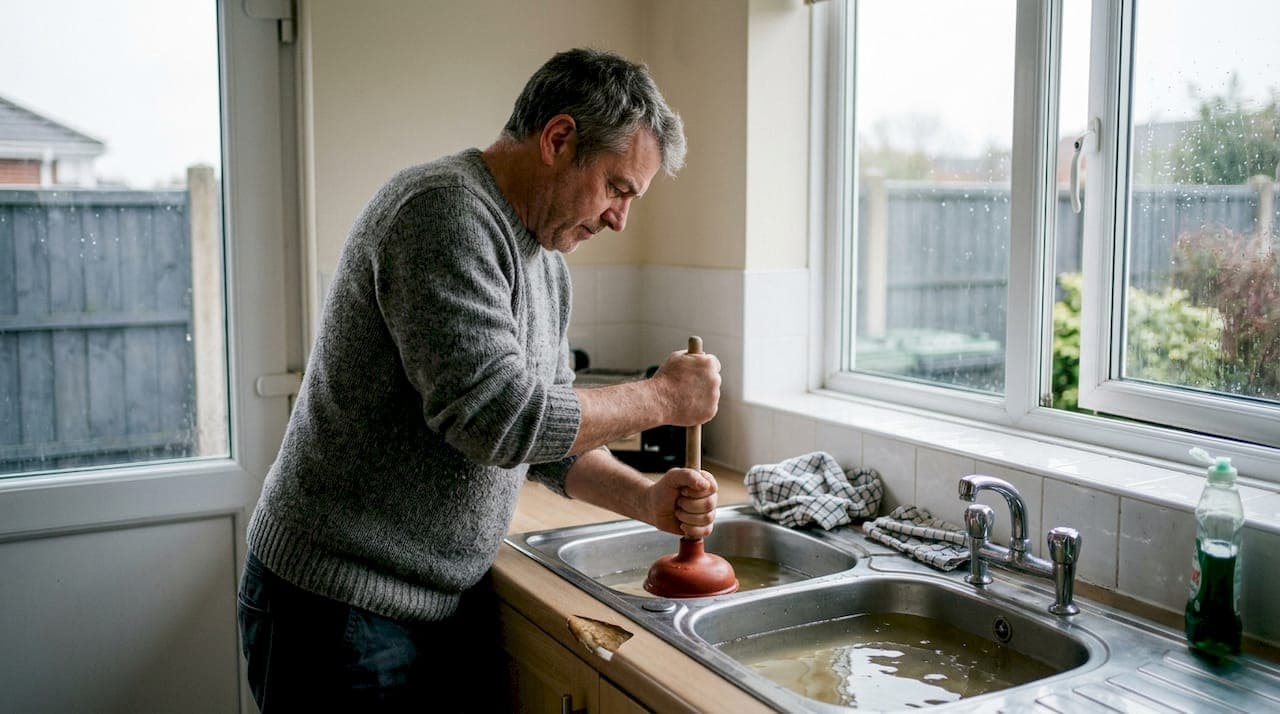
Thames Water clears over 75,000 blockages annually, costing £40.7 million, and the vast majority trace back to everyday habits inside ordinary UK homes. Most homeowners only think about their drains when something goes wrong, and by then the damage is already building up inside the pipes. The good news is that most blockages are entirely preventable once you understand what causes them. This article breaks down the real reasons drains back up, how to spot trouble early, and the practical steps you can take to stop it happening in the first place.
Table of Contents
- What causes drains to back up?
- How do fatbergs, roots, and structure cause problems?
- How to recognise and diagnose a backing up drain
- Prevention strategies for UK homes
- Need expert help? Drainage services for peace of mind
- Frequently asked questions
Key Takeaways
| Point | Details |
|---|---|
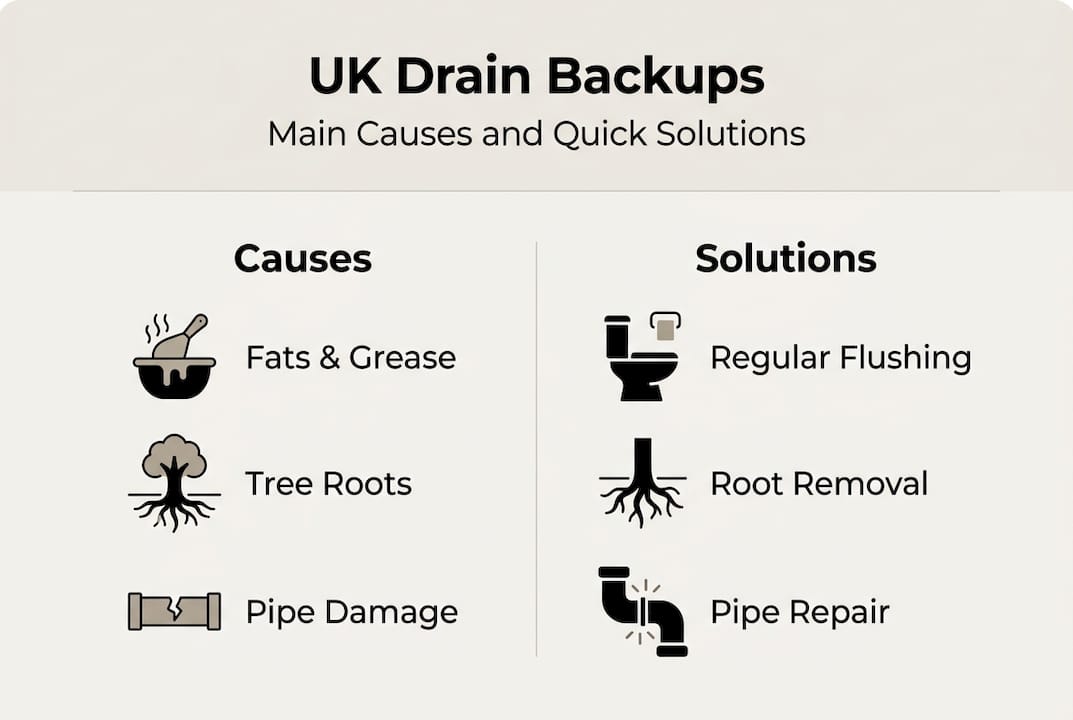
| FOG is the main cause | Most UK drain backups are caused by fats, oils, and grease solidifying inside pipes. |
| Roots exploit pipe cracks | Tree roots invade old pipes, especially in properties with mature gardens, leading to persistent blockages. |
| Early action prevents repairs | Recognising signs and taking regular preventive steps can stop backups before expensive damage occurs. |
| Professional surveys diagnose issues | CCTV drain inspections are essential for identifying and resolving underlying structural drainage problems. |
What causes drains to back up?
Drain backups rarely happen overnight. They build gradually, and by the time water is pooling in your sink or rising in your toilet, the problem has usually been developing for weeks or months. Understanding the root causes is the first step to stopping them.
The single biggest culprit in UK homes is FOG: fats, oils, and grease. When you pour cooking fat down the sink, it flows away easily in its liquid state. But as it cools inside the pipe, it solidifies into fatbergs, coating the pipe walls and trapping food scraps, hair, and other debris. Over time, these layers build up until water can barely pass through. The fatberg case studies from London sewers show just how extreme this can get, with some weighing over 100 tonnes.
Tree roots are the second major cause, particularly in older properties. Roots infiltrate pipe cracks in clay and cast-iron systems, which were standard in UK homes built before the 1970s. Once a root finds a tiny fracture, it grows into it, widening the crack and eventually causing a full blockage or collapse.
Structural issues round out the top three. Pipes sag, shift, or crack over time, especially in older properties with ageing infrastructure. These faults create low points where debris collects and water pools, leading to repeated backups that no amount of drain cleaner will fix.
| Cause | Most common in | Typical symptom |
|---|---|---|
| FOG buildup | Kitchens, all homes | Slow sink drainage |
| Tree root intrusion | Pre-1970s properties | Repeated blockages |
| Structural pipe damage | Older homes, clay pipes | Whole-house backups |
| Foreign objects | Bathrooms, toilets | Sudden blockage |
For a broader picture of what affects UK drainage systems, the drainage information on our website covers the full range of issues we encounter across residential properties.
Worth knowing: The vast majority of drain blockages in the UK are caused by things homeowners put down the drain themselves. Changing a few daily habits can prevent most of them entirely.
When blockages keep coming back despite your best efforts, it is worth considering whether a professional CCTV drain inspection might reveal a structural problem that DIY methods simply cannot address.
How do fatbergs, roots, and structure cause problems?
Knowing the causes is useful, but understanding how they develop inside your pipes helps you act before things get serious.
FOG does not just sit in one place. It cools and adheres to pipe walls, building up in layers like plaque in an artery. Each time you wash greasy dishes or pour off cooking oil, another layer is added. Hair, soap scum, and food particles stick to the grease, accelerating the blockage. What starts as a slight slowdown in drainage becomes a full stoppage over months.
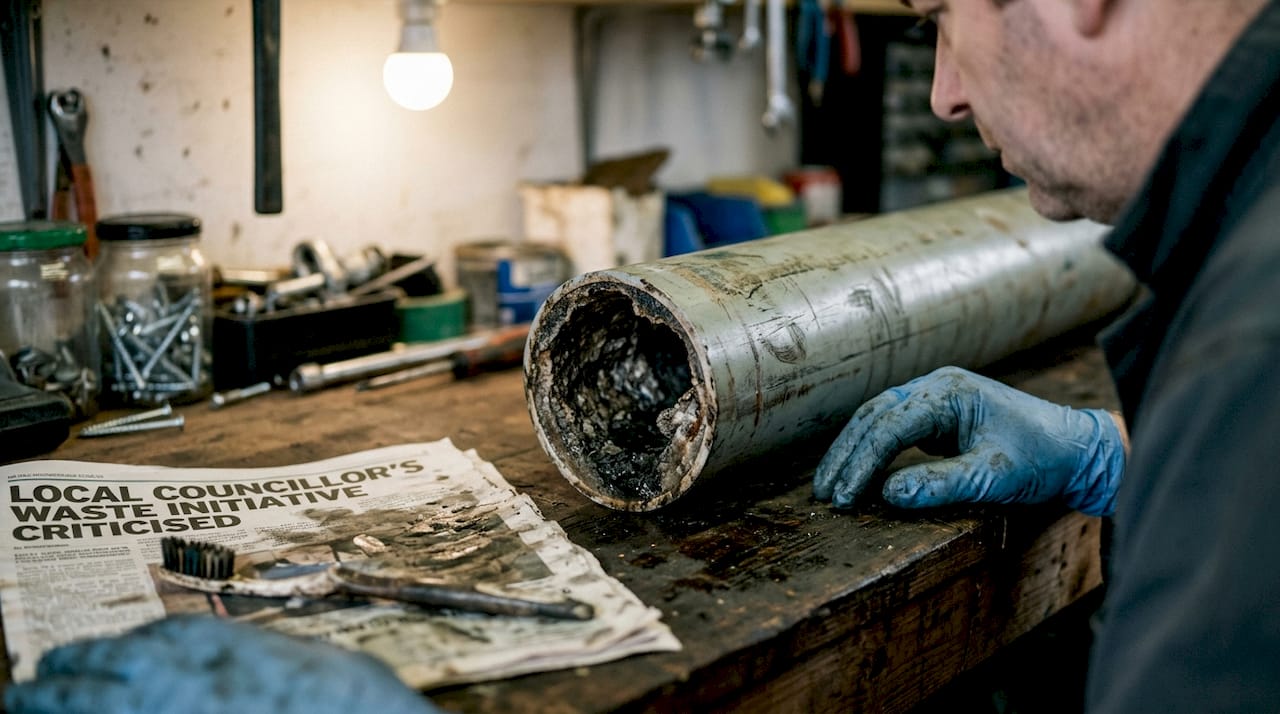
Tree roots behave differently but are equally destructive. They are drawn to the moisture and nutrients inside sewer pipes. A hairline crack is all they need to get started. Once inside, roots spread and branch out, forming a dense mat that catches toilet paper and waste. The fatbergs in UK sewers are often made worse by root intrusions that trap grease and debris further along the system.
Structural faults are the trickiest to diagnose without specialist equipment. A sagging pipe, sometimes called a belly, creates a low point where solids settle and water cannot flush them through. Collapsed sections are even more serious and require excavation or pipe relining to fix properly.
How to tell the difference between a minor and a serious problem:
- A single slow drain usually points to a localised blockage, such as hair in a bathroom plug or grease in a kitchen trap.
- Gurgling sounds from multiple fixtures suggest a blockage further down the shared drain.
- Backups in the toilet when you run the bath or sink indicate a main drain issue.
- Foul smells from multiple drains at once often signal a structural problem or a blockage deep in the system.
- Repeated blockages in the same location, even after clearing, point to a structural fault requiring a CCTV drain survey.
| Symptom | Likely cause | Urgency |
|---|---|---|
| One slow drain | Local blockage | Low |
| Gurgling from multiple drains | Shared drain blockage | Medium |
| Toilet backup when using sink | Main drain issue | High |
| Repeated blockages same spot | Structural fault | High |
Pro Tip: If your drains clear after using a plunger but block again within a few days, do not keep plunging. That pattern almost always means there is something structural going on that needs a camera to diagnose properly.
For more guidance on what to do in these situations, our drainage advice covers a wide range of real-world scenarios.
How to recognise and diagnose a backing up drain
Spotting the early warning signs can save you from a much bigger and more expensive problem down the line. Drains rarely fail without warning. They give you signals, and learning to read them is genuinely useful.
The most common early signs include:
- Slow drainage in sinks, baths, or showers, where water takes noticeably longer to clear than it used to
- Gurgling sounds coming from plugs or toilets, caused by air being pushed through a partial blockage
- Unpleasant smells rising from drains, particularly in the kitchen or bathroom
- Water backing up into a sink or bath when another fixture is used
- Damp patches or sunken ground near external drain covers, which can indicate a leaking or collapsed pipe underground
The key distinction to make is whether the problem is isolated to one fixture or affecting the whole house. A single slow sink almost certainly has a local blockage. If multiple drains are slow or backing up at the same time, the issue is further down the system and likely more serious.
Persistent backups signal structural issues like sagging pipes or ageing infrastructure, and these require a CCTV survey to diagnose accurately. No amount of drain cleaner or hot water will fix a collapsed pipe.
Pro Tip: Run water in your bath and watch what happens in the toilet. If the water level in the toilet rises or bubbles, you have a shared drain problem that needs professional attention, not a plunger.
Our team provides expert drainage support for homeowners who are unsure whether their symptoms point to a minor blockage or something more serious.
Prevention strategies for UK homes
The best drain problem is the one that never happens. Most blockages are avoidable, and the steps involved are straightforward once you know what to do.
The five most effective prevention habits, recommended by Which?:
- Bin your fats, oils, and grease. Let cooking fat cool in the pan, then scrape it into a container and put it in the bin. Never pour it down the sink, even with hot water running.
- Install drain strainers. A simple mesh strainer over your kitchen sink and bathroom plughole catches food scraps and hair before they enter the pipe. Empty them regularly.
- Flush only the three Ps. Pee, poo, and paper. Wet wipes, cotton wool, nappy liners, and sanitary products should always go in the bin, even if the packaging says flushable.
- Weekly hot water flush. Once a week, pour a full kettle of boiling water slowly down your kitchen sink. This helps soften and shift any early grease buildup before it hardens.
- Baking soda and vinegar treatment. Once a month, pour half a cup of bicarbonate of soda followed by half a cup of white vinegar down the drain. Leave for 20 minutes, then flush with hot water. It is a simple, chemical-free way to keep pipes clear.
For higher-risk properties, such as homes with mature trees in the garden, older clay pipework, or a history of blockages, the above habits may not be enough on their own.
- Consider professional drain cleaning once a year to jet away any buildup before it becomes a blockage
- Book a CCTV survey every few years to check for root intrusion or structural deterioration
- If you live in an older property, ask a drainage engineer to assess whether your pipework is still in good condition
Pro Tip: If you have a large tree within five metres of your drain run, treat your drains as high risk regardless of their age. Roots travel much further than most people expect, and they are very good at finding the smallest crack.
Homeowners in areas like Newbury can also access local drainage specialists who understand the specific pipe types and infrastructure common to their area.
Need expert help? Drainage services for peace of mind
Prevention goes a long way, but sometimes a blockage takes hold despite your best efforts. When that happens, the right professional support makes all the difference.

At 777 Drains, we provide fast-response drainage services for homeowners dealing with everything from stubborn kitchen blockages to whole-house backups. Our engineers use high-pressure water jetting to clear even the most compacted buildups, and we do not just clear the symptom. We find the cause. If your drains keep blocking, we can book a CCTV survey to inspect the full length of your pipework and identify any structural issues before they become emergencies. For homeowners in the local area, our team also offers dedicated support to unblock drains in Newbury and surrounding areas, with rapid call-out times and transparent pricing.
Frequently asked questions
Can I unclog drains myself, or do I need a professional?
Minor blockages can often be cleared with a plunger or a baking soda and vinegar flush, but persistent blockages signal structural issues that require professional drain cleaning or a CCTV inspection to resolve properly.
How often should I flush my drains with hot water?
A weekly hot water flush is recommended to help prevent grease and debris from building up inside your pipes, particularly in the kitchen.
What are the signs of serious structural drain issues?
Repeated whole-house backups, slow drainage across multiple fixtures, and persistent foul odours are strong indicators of a structural problem, and a CCTV survey is needed to diagnose it accurately.
Are tree roots a common problem in modern UK homes?
Tree root intrusions are most common in pre-1970s properties with clay or cast-iron pipes and mature gardens. Modern homes with plastic drainage systems are far less vulnerable.